The best thesaurus book choices below are selected for different needs, from compact pocket references to comprehensive dictionaries with built-in thesaurus entries. This guide helps writers, students, and general readers pick quickly between size, scope, and price. Whether you want a quick synonym finder for on-the-go editing or a robust reference for long-form writing, the featured titles are well-suited for adults and lifelong learners alike.
Quick comparison table of selected products:
| Product | ||
|---|---|---|
| Merriam-Webster’s Dictionary And Thesaurus, Mass-Market Paperback | Mass-market paperback | Everyday use, portable reference |
| Merriam-Webster’s Everyday Language Reference Set | Set (dictionary + thesaurus + vocabulary) | All-in-one quick answers, students |
| Merriam-Webster’s Dictionary And Thesaurus, Hardcover | Hardcover | Durable desk reference, serious writers |
| Merriam-Webster’s Pocket Thesaurus, Newest Edition | Pocket paperback | On-the-go synonym checks |
| Oxford American Writer’s Thesaurus | Paperback reference | Creative writing, style-minded readers |
Merriam-Webster’s Dictionary And Thesaurus, Mass-Market Paperback

This mass-market edition combines dictionary entries with a built-in thesaurus for rapid word discovery. Best for writers who need a portable, all-in-one resource for synonyms and definitions while away from a desk. The 2020 edition adds expanded entries for contemporary usage, making it a solid choice for students and professionals who frequently revise on the go.
Who it’s best for: writers, editors, students seeking a compact, reliable reference. Caution: the paperback format may wear with heavy daily use and may lack the durability of hardcover editions.
Merriam-Webster’s Everyday Language Reference Set

This set includes a dictionary, a thesaurus, and a vocabulary builder, offering quick, reliable answers about words in one economical package. Best for students and quick-reference users who want a single bundle for study routines, writing tasks, and vocabulary expansion. It provides a practical, budget-friendly option for classrooms and home study.
Who it’s best for: new graduates, students balancing multiple courses, and budget-conscious buyers. Caution: not solely a thesaurus; consider adding a pure thesaurus if you need extensive synonym lists.
Merriam-Webster’s Dictionary And Thesaurus, Hardcover

The hardcover edition presents a robust mix of 60,000 dictionary entries and 13,600 thesaurus entries. It is best for serious writers and long-term reference needs at a steady workspace. The durable binding supports frequent consultation, making it a good choice for office desks or home study setups.
Who it’s best for: writers, researchers, and avid readers who value a permanent, high-reliability reference. Caution: heavier than paperback options; may be less convenient for travel.
Merriam-Webster’s Pocket Thesaurus, Newest Edition

This pocket thesaurus is designed for on-the-go word assistance, with a compact format that fits into bags or notebooks. Best for travelers, students, or professionals who need quick synonyms without carrying a large volume. It complements a larger dictionary or thesaurus used at a desk.
Who it’s best for: mobile professionals and students who require a portable, fast reference. Caution: limited space means some word families and advanced entries may be abbreviated.
Oxford American Writer’s Thesaurus
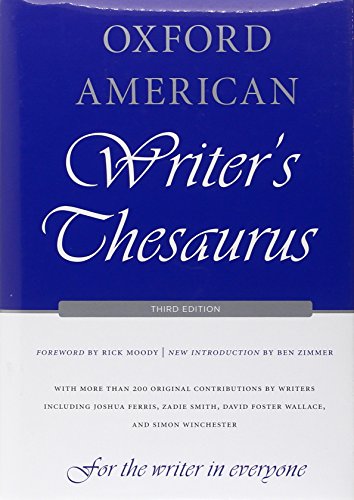
Oxford University Press’s American Writer’s Thesaurus offers style-focused guidance and refined word choices ideal for creative writing. Best for authors, bloggers, and students who want varied word options with nuance and tone consideration. It supports confidence in choosing precise, expressive synonyms for distinct contexts.
Who it’s best for: creative writers and editors seeking enhanced diction. Caution: may assume a higher level of familiarity with vocabulary and usage; newcomers might prefer a simpler thesaurus first.
Buying Guide
What size and format should you choose? Pocket or paperback models are ideal for travel or daily carry, while hardcover editions suit long-term desk use and frequent reference. A bundled set can save money and streamline learning, especially for students. If you need both dictionary definitions and synonym networks, look for editions that pair complete entries with clear cross-references.
What defines a “best” thesaurus for you?
- Scope: Do you want extensive word lists or quick, practical synonyms?
- Durability: Will this be a desk fixture or a portable companion?
- Intended use: Academic writing, creative writing, editing, or everyday tasks?
- Additional tools: Do you benefit from integrated vocabulary builders or language guides?
- Budget: Is a multi-purpose set more valuable than a single-focused thesaurus?
How to maximize usefulness
- Use alphabetical cross-references to explore related terms and nuances.
- Compare synonyms across entries to identify tone, formality, and cadence.
- Reserve larger dictionaries for in-depth research and niche terminology.
- Keep a small notebook or digital list of preferred synonyms for frequent topics.
Practical considerations for buyers
- Frequency of writing: Frequent writers may prioritize durable hardcover or a desk-friendly set.
- Travel needs: Pocket thesauruses are best for on-the-move editing and notes.
- Educational use: Sets with vocabulary builders support learning and test preparation.
FAQ
- What is a thesaurus best used for?
A thesaurus helps find synonyms, antonyms, and nuanced word choices to improve style, tone, and clarity in writing.
- Should I buy a separate dictionary and thesaurus?
For comprehensive reference, a separate dictionary and thesaurus can offer deeper definitions and broader synonym sets. Some bundles combine both for convenience.
- Is a hardcover thesaurus worth it?
Hardcover editions are durable for daily desk use and longer-term study, but they are heavier and less portable than paperback or pocket editions.
- What is the advantage of a pocket thesaurus?
Pocket thesauruses provide quick access to synonyms while traveling or working away from a desk.
- Can a thesaurus improve my writing style?
Yes. By offering varied word choices and precise nuances, a thesaurus helps refine tone, rhythm, and clarity in different contexts.