If you’re a new player looking to improve as White, choosing solid, easy-to-learn openings can help you gain control in the early game and transition smoothly into the middlegame. This guide highlights beginner-friendly white openings and pairs them with relevant resources to build a reliable opening repertoire. Each section covers key ideas, typical setups, and how to adapt when your opponent counters differently.
| Product | Brand | Highlights |
|---|---|---|
| Winning Chess Traps: Opening Tactics for the Advanced Beginner and Intermediate Player | iUniverse.com | Practical opening traps and tactics for improving players |
| Opening the Bidding (The Official Better Bridge Series: Improving Your Judgement, 1) | BARON BARCLAY BRIDGE | Foundational concepts for opening bids and decision making |
| First Chess Openings | Cardoza | Introductory overview of major white openings |
| Opening to God: A Guide to Prayer | Ave Maria Press | Faith-based guide; not a chess opening |
Note: The product list includes several resources that can help with general strategic thinking and discipline in openings. The core focus for White openings remains on chess-specific materials, while other items may offer complementary study benefits or broader strategic insights.
Winning Chess Traps: Opening Tactics
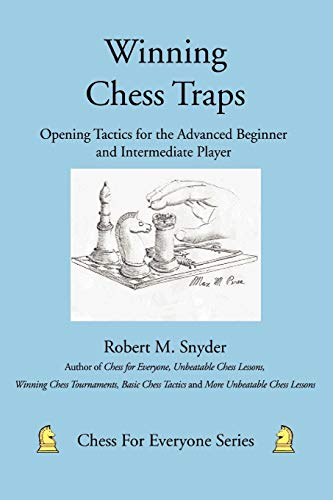
Overview: This resource focuses on practical tactics associated with common openings, a useful companion for beginners who want quick, concrete ideas to capitalize on early mistakes. While it covers general opening principles, the emphasis on traps and short-term tactics helps White players recognize standard patterns and respond confidently rather than guessing.
Key ideas include recognizing typical gambits and positional ideas that occur in beginner-friendly openings. By understanding these patterns, a new White player can avoid common missteps and convert early chances into favorable middlegame positions. The material is tailored to readers building a foundational repertoire and seeking actionable guidance rather than exhaustive theoretical detail.
Opening the Bidding

Overview: Although focused on bridge, this resource emphasizes making strong, well-considered opening decisions and evaluating risks from the first move. For chess beginners, the underlying discipline—assessing your position, evaluating suits (or pawn structures), and planning your opening strategy—offers transferable skills. It can help players who want to improve decision-making in the early phase of a game and understand how to approach “opening” in broader strategic contexts.
Key ideas include learning how to make sound opening calls, how to weigh risks, and how to adjust plans based on opponent responses. While not a chess-specific guide, the strategic mindset can support a more deliberate and confident approach to White’s first moves and early middlegame planning.
First Chess Openings

Overview: This book provides a straightforward survey of popular White openings, designed for beginners. It helps new players understand the typical plans, piece development, and pawn structures associated with each opening. The emphasis is on clarity and practical application, making it easier to choose one or two reliable openings to learn deeply rather than trying to memorize many variations.
Key ideas include developing the bishop and knight to natural squares, controlling the center with pawns, and ensuring king safety through timely castling. The material supports a gradual buildup of confidence in the opening phase and helps players transition smoothly into the middlegame with a solid structure.
Opening to God: A Guide to Prayer

Overview: This item is not a chess opening guide. It provides spiritual guidance and prayer principles. For readers seeking personal development beyond chess, it offers a framework for discipline, focus, and contemplation—qualities that can indirectly support a thoughtful approach to studying openings. It is included here for completeness in the provided product list and to illustrate the breadth of study resources a player might encounter when building a well-rounded routine.
Buying Guide: Key Purchase Considerations For White Openings
Purpose and level. Choose materials that match your current play level. Beginners benefit from clear explanations, simple diagrams, and practical sample games. Intermediate players may prefer resources that include deeper plans and common tactical motifs in standard openings.
Opening type and repertoire depth. Start with a small, reliable set of White openings—like the Queen’s Pawn Game, the Italian Game, or the Ruy Lopez—that you understand well. A shallow but solid repertoire fosters consistency and confidence in the early game.
Instruction style. Some readers prefer narrative game examples, while others favor exercises and diagrams. Look for books with annotated games, practical tips, and review questions to reinforce learning.
Transferable skills. Materials that emphasize evaluation, planning, and pattern recognition help you apply lessons beyond the first few moves. Resources that connect opening ideas to middlegame plans can be especially valuable.
Quality and accessibility. Ensure the book provides clear explanations, accessible diagrams, and practical examples suitable for self-study. Availability in digital formats or libraries can also influence your choice.
Comparison of options. For beginners, prioritize works with straightforward guidance on developing pieces, controlling the center, and king safety. If you want broader strategic thinking, pairing a chess openings book with a general strategy or mindset guide could be advantageous.
Practical testing. Whichever openings you choose, practice with short, focused games (e.g., 15–20 minutes) to implement the plans you learn. Use annotated games to study common reactions from opponents and refine your approach.
In sum, a focused beginner’s repertoire centered on easy-to-learn White openings, complemented by practical tactical guidance, builds a solid foundation. Use the resources above to establish a consistent routine, track progress, and expand your repertoire gradually as you gain confidence and experience.