Choosing an effective learning aid can accelerate German language progress for travelers, students, and beginners. This guide highlights five well-rounded options that combine vocabulary, pronunciation, and practical conversation. Each pick is sourced from trusted Amazon listings and designed to support on-the-go study, classroom use, or self-paced practice. Explore featured flashcards, interactive tools, and beginner-friendly games to build confidence in speaking, listening, and pronunciation.
| Product | Brand | Main Benefit |
|---|---|---|
| German Flash Cards – Learn German Language Vocabulary | Travelflips | Phonetics and translations for travel-ready basics |
| German Flash Cards with Audio – 75 Phrases | Oh Yup | Audio-enabled phrases for real conversations |
| MAYAPHILOS German and English Bilingual Pocket Speech | MAYAPHILOS | 510 sight words with audio and interactive play |
| AGO Auf Deutsch – Card Game for Beginners | AGO | Q&A format to practice German quickly |
| Das Leben – German as Foreign Language, A2 | Cornelsen Verlag GmbH | Structured reference for lessons and general study |
German Flash Cards By Travelflips
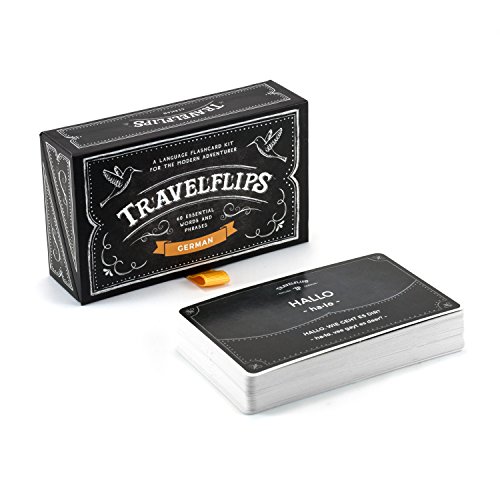
Travelflips offers basic German vocabulary and travel phrases. Each card provides phonetic pronunciation and English translation, helping beginners connect sounds to meanings. The sturdy cards come in a compact box, making them ideal for on-the-go study or quick review between activities. This set supports daily practice, travel prep, and easy gifting for learners of all ages.
German Flash Cards With Audio By Oh Yup

This set concentrates on key conversational phrases and pronunciation, with 75 carefully designed flash cards. Each card includes an English translation, a German pronunciation guide, and a QR code for audio access. The format supports classroom learning, self-study, and language clubs, with activities that foster real-world dialogue and listening practice. It’s portable for travel and daily practice.
MAYAPHILOS German and English Bilingual Pocket Speech

The MAYAPHILOS set features 510 sight words across 31 themes, pairing German with English text. An accompanying flash card reader can vocalize words and imitate sounds, adding an auditory layer to learning. Its design prioritizes screen-free, parent-child interaction and cognitive development while offering engaging, multisensory language practice for kids and beginners.
AGO Auf Deutsch Card Game For Beginners
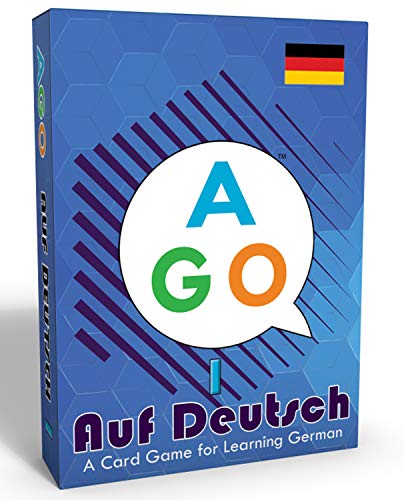
This card game blends learning with play, offering 54 cards that focus on questions and practical German usage. It includes 36 question cards and 18 action cards to enable various classic games. The visuals and labeled vocabulary help learners contextualize language, supporting conversational practice in a fun, low-pressure setting.
Das Leben – German As Foreign Language A2

Das Leben offers a structured approach for learners at the A2 level, focusing on practical usage and language foundations. This volume targets lessons and general study, making it a reliable reference for classroom learners or self-study. It supports progress in reading, writing, listening, and speaking with clear guidance and examples.
Buying Guide
- Learning style: Visual flashcards suit quick vocabulary and pronunciation; audio-enabled sets support listening and speaking; card games emphasize conversational practice.
- Age and goals: For kids and beginners, multisensory or interactive tools can build engagement; for travelers, compact, portable formats offer quick study on the go.
- Content breadth: Choose sets with broad themes (greetings, daily life, travel) or specialized vocab for specific needs like classroom conversation or sightseeing.
- Audio and accessibility: Audio prompts or QR codes reduce pronouncing errors and improve retention. Screen-free options help minimize digital distractions.
- Durability and portability: Sturdy cards and compact boxes enable frequent handling and travel-ready study.
- Support and pedagogy: Look for products that align with structured learning paths, while also providing flexible practice for self-guided study.
- Assessment potential: Complement cards with periodic self-quizzes or conversational practice to gauge progress.