Parents and caregivers seeking early communication tools can turn to sign language books designed for little hands. The right titles introduce simple signs, build early communication, and foster parent‑child bonding. This article highlights five child‑friendly sign language books that support babies and toddlers in learning ASL basics through durable pages, clear illustrations, and engaging visuals.
| Product | Brand |
|---|---|
| Baby Signs: A Baby-Sized Introduction to Speaking with Sign Language | DIAL |
| Little Farm Signs – My First ASL Book for Babies & Toddlers | Little Signs Collection |
| Hubble Bubble Kids American Sign Language Cards for Toddlers | Hubble Bubble Kids |
| My First Signs: American Sign Language (Baby Signing) | CHILD’S PLAY (INTERNATIONAL) LTD |
| Note on selections | Educational boards, durable cards, and ASL illustrations are featured across titles to support multi-age learning. |
Baby Signs: A Baby-Sized Introduction To Speaking With Sign Language

This sturdy board book introduces 13 essential signs perfect for little hands. The concise signs help babies and toddlers express basic needs, wants, and feelings, supporting early communication. The book’s illustrated signs are designed for easy recognition and quick learning, making it a practical first step into ASL for families exploring signing at home.
Little Farm Signs – My First ASL Book for Babies & Toddlers
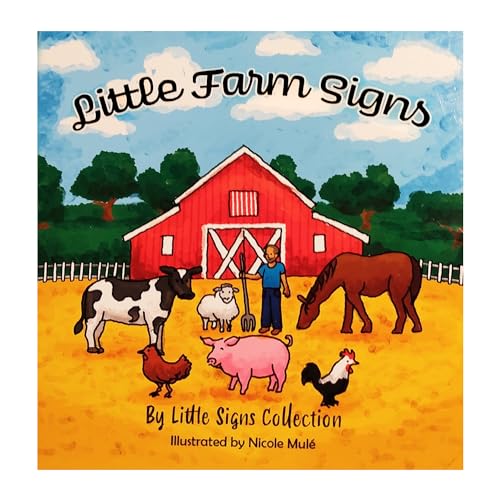
The Little Signs Collection presents educational farm signs with durable board pages. The book focuses on animal and farm-related signs, offering a broad base of basic vocabulary. Its ASL illustrations accompany each sign, helping caregivers model correct signs while encouraging interactive practice with young children.
Hubble Bubble Kids American Sign Language Cards for Toddlers

This bundle includes 180 ASL flash cards, covering common words and early vocabulary. Each card pairs a clear sign illustration with descriptive text, supporting visual and contextual learning. The compact 3 x 5 inch size makes them easy for little hands and families to carry and reuse in ongoing practice sessions.
My First Signs: American Sign Language (Baby Signing)

Designed as a beginner-friendly entry, this title focuses on foundational signs and early communication for babies and toddlers. While listed as a used book in good condition, it serves as a resource for families seeking a concise, low-cost introduction to ASL basics and sign-based interaction.
Buying Guide: Sign Language Books For Babies
Selecting the right sign language book for a child involves weighing how the format, durability, and visuals support learning. Consider the following perspectives:
- Durability and format: Board books and durable pages are ideal for infants and toddlers who may handle books roughly. Look for sturdy bindings and wipe-clean surfaces when possible.
- Signs covered: Some books focus on a small set of core signs, while others include broader vocabularies or themed vocabularies (farm, animals, daily activities). Align with your child’s daily routines to reinforce learning.
- Illustrations and clarity: Clear sign illustrations that pair with labeled words help young learners connect signs to meanings. Visuals should be easy to interpret and age-appropriate.
- Usage context: Consider how you’ll use the book—daily read-alouds, repeated practice, or cue-based signing during routines. A book with repeatable phrases and signs fits well into routine activities.
- Supplementary tools: Flash cards can extend the reading experience, allowing quick practice sessions outside of reading time. Check whether cards are included or compatible with the book’s sign set.
- Accessibility: For families with diverse learning needs, choose titles that present signs with clear descriptions and provide guidance for caregivers on modeling signs effectively.
Depth of content varies by book. If you want a concise starter, a board book with a limited number of signs may be easier for a very young child. For ongoing practice, consider a combination of a durable board book plus large-format cards to reinforce daily usage and help parents model signs consistently.
When planning a signing routine, integrate signs into everyday activities. For example, pair phrases with meal preparation, diapering, or playtime, so the child experiences sign language as a natural part of daily life. Regular, brief sessions tend to yield better retention and engagement than sporadic, longer sessions.
All five titles provide a practical entry into ASL for families. The variety—from illustrated board books to expansive card sets—offers options whether you want a quick read, long-term practice materials, or a combination of both. Selecting titles that fit your child’s age, interests, and daily routine can help build a strong early communication foundation.