Find the right sight-singing book to improve pitch, rhythm, and musical reading quickly. This guide highlights five widely used options and who they’re best for, from beginners to more advanced students. Each entry explains why the book stands out, plus potential limitations to consider before you buy. Use the table below for a quick comparison of core details.
| Product | Best For | Key Benefit |
|---|---|---|
| Sing at First Sight, Bk 1: Foundations in Choral Sight-Singing | Beginner to intermediate choirs | Covers whole to sixteenth notes with a structured curriculum |
| Concone: School of Sight Singing | Classic technique learners | Vocal method focused on technique and ear training |
| Sightsinging Essential Concepts for Vocalists | Institute-level students | Comprehensive concepts with ample pages for practice |
| The Jenson Sight Singing Course (Vol. I) | Budget-conscious learners | Historically used, straightforward foundational work |
Sing at First Sight, Bk 1: Foundations in Choral Sight-Singing

This book offers a structured sight-singing curriculum for choirs at all levels. It introduces reading concepts and rhythm exercises, progressing from whole notes to sixteenth notes. Best for choirs seeking a clear, classroom-ready sequence and a progressive approach to rhythm. Caution: may be less focused on advanced rhythmic intricacies for very skilled singers.
Concone: School of Sight Singing

Presented as a vocal method and ear-training resource, this book emphasizes voice technique and practical sight-singing skills. It’s well-suited for students building a solid technique foundation or adult learners seeking structured practice. Best for those who prefer concise pages and a technique-forward approach. Caution: May require coupling with broader musical literature to cover advanced rhythm reading.
Sightsinging Essential Concepts for Vocalists
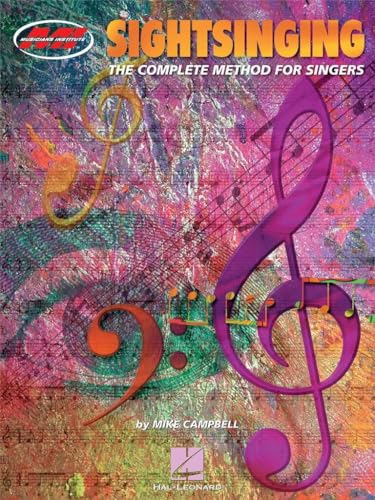
Designed for musicians-in-training, this book covers essential sight-singing concepts with a focus on technique and practical reading. It’s best for college or conservatory-bound singers who want a thorough, concept-driven resource. Caution: Some learners may benefit from guided instruction to maximize new concepts.
The Jenson Sight Singing Course (Vol. I)
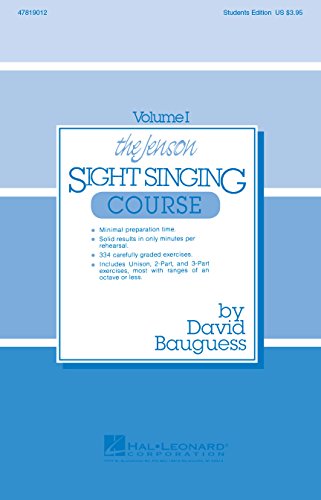
This early-volume course is commonly used as a practical, budget-friendly option for foundational sight-singing study. It’s best for learners who want a simple, no-frills approach and a historical baseline in vocal training. Caution: Some editions are listed as used; verify current condition and supplement with modern methods if needed.
Buying Guide
What should you consider when choosing a sight-singing book?
- Skill level alignment: Match the book to your current reading and singing proficiency to avoid gaps in fundamentals.
- Rhythm and interval coverage: Look for progressive exposure to note values, rhythms, and intervals appropriate for your goals.
- Pedagogical approach: Some books emphasize technique, others emphasize ear training or sight-reading fluency. Choose based on your learning style.
- Curriculum structure: A clearly sequenced curriculum helps teachers and students track progress over time.
- Practical usage: Consider whether you need a solo practice resource, a classroom-ready anthology, or a supplementary workbook.
Practical comparison questions
- Which book is best for beginners who want a steady, structured start? Sing at First Sight, Bk 1 offers a progressive approach from basic to more complex rhythms.
- Which option emphasizes technique and ear training? Concone: School of Sight Singing focuses on vocal technique alongside sight-singing practice.
- Which is suitable for college-level study? Sightsinging Essential Concepts for Vocalists provides comprehensive concepts and ample practice pages.
- What is the most budget-friendly introduction? The Jenson Sight Singing Course (Vol. I) is often used as an affordable foundational resource.
Additional tips
- Combine a sight-singing book with a dedicated practice routine to maximize progress.
- Use accompaniment or piano to reinforce rhythm and pitch accuracy during practice sessions.
- Pair with vocal warmups to integrate breath control and articulation with reading fluency.
FAQ
- What is sight-singing? Sight-singing is the ability to read and sing music at first sight without prior practice of the piece.
- Who should use these books? They’re suitable for beginners through intermediate students, as well as adult learners and progressing choirs.
- How should I structure practice? Alternate between sight-singing drills, simple melodies, and rhythm exercises to build fluency.
- Can I use multiple books together? Yes; combining technique-focused and concept-focused books can strengthen overall skills.
- Are these resources only for singers? While geared toward vocalists, many concepts also help instrumentalists who read music.