Looking for trusted, accessible mental health resources? This guide highlights five best-selling books and journals that cater to a range of needs, from trauma healing and anxiety relief to structured self-care planning. Each pick is described with who it’s best for, why it stands out, and a practical caveat. This list is ideal for readers seeking evidence-informed tools, guided journaling, and durable formats you can reuse over time.
Summary of top picks
- Best for trauma healing and brain-body integration: The Body Keeps the Score (Random House Books for Young Readers).
- Best for anxiety management via structured journaling: Worry for Nothing (Four Progress).
- Best for 90-day mood tracking and self-care planning: Mental Health Journal (5 MINUTES A DAY).
- Best for daily CBT-style prompts and practical mood management: Clever Fox Mental Health & Anxiety Journal.
- Best for classroom, reading, or gift use with affirmations: Skyygemm Mental Health Awareness Bookmarks.
The Body Keeps the Score: Brain, Mind, and Body in the Healing of Trauma
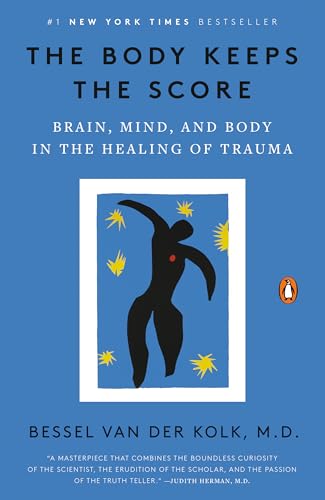
Best for readers seeking a holistic view of trauma’s effects on physical and mental health. The Body Keeps the Score emphasizes how trauma is stored in the body and presents approaches for regulating the nervous system, rebuilding relationships, and reclaiming daily life. This pick is well-suited for readers who appreciate scientific grounding, patient explanations, and practical strategies.
Why chosen: It integrates neuroscience with therapeutic concepts, offering approachable explanations for readers who want to understand the mind-body connection. The book is a strong choice for those who prefer a deep, foundational understanding before choosing specific healing methods.
Limitations: Some readers may find certain clinical concepts dense; pacing can be slower for those seeking quick, action-oriented steps.
Worry for Nothing: Guided Anxiety Journal

Best for individuals who want a discreet, CBT-informed journaling tool to reduce anxiety through structured reflection. Worry for Nothing guides users to track triggers, evaluate thoughts, and practice more constructive thinking in daily life. This option is ideal for readers who enjoy compact, purpose-built journals that fit a bedside table or desk.
Why chosen: Its prompts are aligned with cognitive-behavioral therapy principles, making it practical for ongoing self-monitoring and anxiety reduction. The discreet cover adds convenience for quiet, private use in public or shared spaces.
Caution: The journal’s efficacy depends on consistent use; irregular entries may limit progress.
Mental Health Journal, 90-Day Self-Care Planner

Best for readers seeking a guided, three-month framework to improve mindfulness, mood tracking, and habit formation. This journal emphasizes daily reflection, weekly summaries, and monthly check-ins to support steady personal growth. It suits busy individuals who want a clear, time-bound structure without overwhelming detail.
Why chosen: The three-month layout provides a tangible endpoint for progress review, which can motivate steady engagement and habit formation. The monthly summaries help users visualize trends over time.
Limitation: Some users may prefer longer cycles or more flexible formats beyond the 90-day plan.
Clever Fox Mental Health & Anxiety Journal

Best for straightforward, CBT-inspired self-help with clear prompts for identifying triggers and transforming thoughts. Clever Fox offers a compact 5.8×8.3 inch format that fits easily into a bag or desk drawer, making it a practical daily companion for ongoing anxiety management.
Why chosen: Its prompts guide users to recognize triggers and reframe thinking, which can improve coping skills over time. The focused design supports consistent use without feeling burdensome.
Tip: Choose this if you want a portable CBT-style tool that’s quick to complete during small breaks or commutes.
Skyygemm Mental Health Awareness Bookmarks

Best for readers and students who want a tactile reminder of positive psychology throughout their reading journey. These 120 bookmarks offer 12 styles with affirmations to encourage ongoing mental health conversations. They’re ideal as classroom handouts, library giveaways, or thoughtful gifts for readers who appreciate uplifting messages.
Why chosen: A practical, reusable accessory that supports mental health awareness in everyday reading settings. The varied styles help sustain engagement across multiple sessions or users.
Limitation: As bookmarks, they are supplementary tools rather than standalone mental health resources; use alongside journaling or therapy for deeper impact.
Buying Guide: Practical Considerations For Selecting Mental Health Tools
- Purpose and scope: Do you want trauma-focused education, anxiety management, or daily self-care planning? Choose a tool that aligns with your primary goal.
- Format and usability: Do you prefer a book, a guided journal, or a compact daily aid? Consider size, layout, and ease of use in your routine.
- Evidence and approach: Look for resources anchored in psychology or CBT principles when you value structured coping strategies.
- Discretion and settings: If you need privacy, opt for discreet journals and covers that don’t reveal the topic on sight.
- Longevity and updates: Some options are designed for fixed periods (e.g., 90 days). Decide whether you want ongoing tools or finite programs.
- Accessibility: Consider readability, language level, and visual design (colors, fonts) that support sustained engagement.
- Complementary use: Pair journals with reading materials for trauma or mental health education to reinforce concepts.
What to expect from these tools
Core benefits include structured reflection, habits that support mood regulation, and practical strategies to reframe thoughts. Each item on this list offers a distinct pathway—one emphasizes body-based trauma processing, another focuses on cognitive techniques, and a third provides a straightforward daily routine. Use combinations to tailor support to your needs and daily schedule.
How to choose the right combination
For a trauma-focused reader, start with The Body Keeps the Score and add the 90-day Mindfulness Planner for ongoing structure. If anxiety is the primary concern, pair Worry for Nothing with Clever Fox’s guided prompts for a balanced toolkit. For a classroom or gift-focused approach, Skyygemm bookmarks provide a friendly, low-pressure entry into mental health conversations.
FAQ
- What kind of buyer benefits most from these books?
– Readers seeking structured self-help tools, mindfulness practices, or trauma-informed education can find targeted support in these options. - Are these resources suitable for all ages?
– Most titles are aimed at adult readers or young adults; check the specific target audience on each listing for suitability. - Do these tools require professional guidance?
– They can complement professional care but are not substitutes for therapy when needed. Use as part of a broader mental health plan if advised by a clinician. - Can I use more than one product at the same time?
– Yes. Combining journaling with reading material can reinforce learning, but pace them to avoid overwhelm. - How should I store and organize these tools for best results?
– Keep journals in a private, accessible spot; use the bookmarks in favorite books; set a regular time for reflection to build consistency.
These five picks represent a spectrum from trauma-informed understanding to practical daily management. They’re designed to be easy to absorb, actionable, and adaptable to varying routines. For readers seeking reliable mental health resources with clear pathways to improvement, this list offers well-rounded options that can support ongoing well-being without relying on prices or unverified claims.