This article highlights engaging, age-appropriate science kits and resources that align with 5th-grade curricula. Each option fosters critical thinking, experimentation, and real-world problem solving through hands-on activities across Earth science, chemistry, physics, and engineering.
The following table provides a quick reference to the chosen products, including their brand and a snapshot of what they offer.
| Product | Brand | What It Includes |
|---|---|---|
| UNGLINGA 150 Experiments Science Kit | UNGLINGA | 150 experiments across earth science, chemistry, physics; kid-friendly lab tools |
| National Geographic Earth Science Kit | Blue Marble | 100+ experiments; volcano, crystals, rocks; full color guide |
| National Geographic Stunning Chemistry Set | National Geographic | 45 experiments; volcanoes, rockets, chemical reactions |
| Carson Dellosa Stem Challenges Learning Cards Bundle | Carson Dellosa Education | 60 cards; 2 boxed sets; four seasons, earth, life, space topics |
| 4 Set STEM Science Kits (Yutin) | Yutin | 7-in-1 kit; multiple projects including electronics and physics concepts |
UNGLINGA 150 Experiments Science Kit

The UNGLINGA kit offers a broad spectrum of experiments designed to stimulate curiosity across earth science, surface tension, chemistry, and physics. With 150 projects, students can explore topics with repeated hands-on practice, reinforcing concepts through experimentation. The included manual provides step-by-step instructions and visuals to help students follow procedures independently, supporting both classroom and home learning. The kit emphasizes safety basics by encouraging the use of goggles and proper lab practices. Materials are described as kid-friendly and suitable for home settings, enabling regular, structured science time.
The Everything Kids’ Science Experiments Book
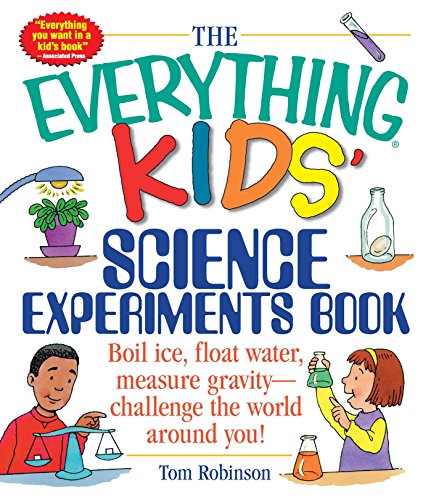
This book (Everything Kids’ Science Experiments) offers a robust collection of activities that fit well with fifth-grade inquiry and exploration. It presents accessible, safe experiments that cover a range of topics like physics, chemistry, and earth science, appealing to students who prefer guided, written instructions and quick at-home experiments. It serves as a complementary resource to kits, helping extend lesson ideas, promote scientific thinking, and encourage students to hypothesize, test, observe, and draw conclusions.
Carson Dellosa Stem Challenges Learning Cards Bundle

The Stem Challenges bundle provides 60 cards with diverse topics across physical, life, earth, and space science. Each card includes directions, materials, a challenge description, and hints, making it practical for independent work or small-group activities. The set is organized in two boxed sets for easy storage and classroom or homeschool use. This resource supports vocabulary development, scientific reasoning, and project planning, helping students translate curiosity into concrete investigations.
4 Set STEM Science Kits (Yutin)

The Yutin 7-in-1 STEM kit combines multiple activities into one package, including Newton’s cradle, a telegraph, a fruit battery, an electric buoyancy ball, a color wheel, a spin art machine, and launching flying saucers. This assortment supports multi-topic exploration—mechanics, electricity, energy conversion, and basic circuitry—through hands-on projects. It is suitable for classroom use, homeschooling, or family science nights and encourages collaborative problem-solving and iterative design.
National Geographic Earth Science Kit

The National Geographic Earth Science Kit provides a robust set of experiences grouped under Earth sciences. With more than 100 activities, kids explore volcanology, crystal growth, fossil digging, and rock collection. The included full-color learning guide supports student understanding of scientific concepts, while activities foster collaborative learning as students share discoveries. The kit’s structure encourages project planning, data collection, and presenting findings, aligning with middle-grade science standards.
National Geographic Earth Science Kit (Earth Science Kit) Details
Note: The Earth Science Kit emphasizes shared learning opportunities. Multiple experiments enable students to observe phenomena, record results, and compare outcomes across trials. Materials range from crystals to fossils, offering tactile engagement and opportunities to discuss geoscience concepts, measurement, and hypothesis testing. It supports both guided lessons and independent inquiry, making it a versatile classroom and homeschool resource.
National Geographic Stunning Chemistry Set

This chemistry-focused kit invites students to explore safe chemical reactions, observe color changes, and study states of matter. With 45 experiments, it provides structured activities that introduce scientific methods and inquiry. Instructions are kid-friendly and visually supported, helping students follow steps, predict outcomes, and interpret results. The kit also emphasizes safety practices and documentation, reinforcing responsible laboratory conduct and observation skills.
Buying Guide: Key Purchase Considerations For 5th Graders
- Curriculum alignment: Look for kits that cover earth science, chemistry, physics, and engineering concepts typically included in 5th-grade standards. Choose resources that encourage data collection, hypothesis testing, and evidence-based conclusions.
- Hands-on engagement: Prioritize kits with varied activities, tools, and materials to sustain interest and accommodate different learning styles—visual, tactile, and collaborative learners.
- Safety and age-appropriateness: Ensure all materials are kid-friendly with clear safety guidelines. For younger students, simpler experiments reduce frustration and increase success rates.
- Instruction quality: Step-by-step manuals, illustrations, and in-kid language help independent work and minimize teacher or parent intervention.
- Scalability and storage: Consider kits that offer multiple experiments but also come with organized storage or dividers to support ongoing use across weeks or months.
- Multi-use value: Kits that support group work or classroom use provide more value by enabling collaborative investigations and discussion-based learning.
- Supplementary resources: Books or cards that extend activities, vocabulary, and concept explanations can reinforce learning beyond the primary kit.
- Long-term impact: Choose projects that build foundational inquiry skills—forming hypotheses, planning experiments, collecting data, and communicating conclusions.
These options collectively support a balanced approach to science education for fifth graders, combining exploration with structured learning. Parents and educators can mix and match kits and books to fit lesson plans, classroom rotations, or family science nights, ensuring a broad exposure to core science ideas.