Finding engaging science books for pre-teens can spark lifelong curiosity. This guide showcases five well-suited titles that balance accessible reading with interactive science ideas, experiments, and foundational concepts. Each pick supports classroom and home learning, from everyday observations to more formal biology topics, helping 12-year-olds explore the natural world with confidence and curiosity.
| Product | Brand | Key Focus |
|---|---|---|
| The Everything Kids’ Science Experiments Book | Simon & Schuster | Hands-on experiments, gravity, states of matter |
| Alexander and the Terrible, Horrible, No Good, Very Bad Day | Atheneum Books for Young Readers | Story-based science learning and empathy |
| Evan-Moor Daily Science Book, Grade 1 | Evan-Moor Educational Publishers | Standards-based daily science lessons |
| Biology Workbook—The 100 Series | Carson Dellosa Education | Biology concepts, vocabulary, standards alignment |
The Everything Kids’ Science Experiments Book
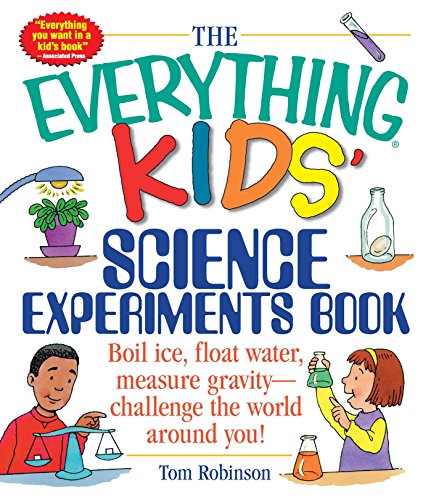
The Everything Kids’ Science Experiments Book offers a collection of approachable, hands-on projects designed to engage curious middle-grade readers. Activities cover a range of topics—from gravity and buoyancy to chemistry basics—presented with clear instructions and explanations. The book emphasizes observation, hypothesis testing, and documentation, making it suitable for independent exploration or guided classroom activities. With approachable language and organized sections, it helps students build scientific thinking while having fun with everyday materials.
Alexander and the Terrible, Horrible, No Good, Very Bad Day

Though primarily a humorous novel, this book can be paired with science discussions about perspective, problem-solving, and real-world science scenarios embedded in daily life. It offers an accessible entry point for readers to explore how scientists observe, form questions, and approach solutions during everyday experiences. Teachers and parents can use the narrative to spark curiosity about cause-and-effect reasoning and the scientific method in relatable, age-appropriate contexts.
Evan-Moor Daily Science Book, Grade 1

Designed for grade-appropriate science exploration, this daily book provides 150 lessons that integrate vocabulary, hands-on activities, and comprehension tasks. Although labeled for Grade 1, the structure and activities offer transferable approaches for early middle school learners who benefit from short, focused investigations aligned with standards. The lessons support systematic practice in observation, measurement, and basic scientific concepts, making it a strong companion resource for blended learning environments.
Biology Workbook—The 100 Series
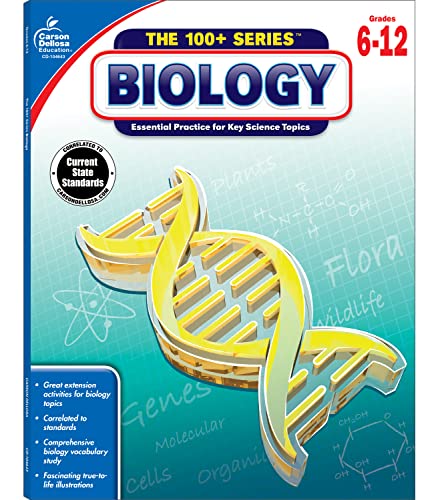
Carson Dellosa’s Biology Workbook covers core concepts in biology, including matter, atoms, cells, genetics, elements, and bonds. The resource offers structured activities and comprehensive vocabulary study, with standards alignment to support middle school science curricula. It serves as an excellent supplement for students who want clear explanations, practice with terminology, and guided exercises to reinforce understanding of foundational biology topics in an organized workbook format.
Buying Guide: Key Purchase Considerations
- Age and reading level: Choose titles that match the child’s current reading ability while offering opportunities to grow with slightly more complex topics.
- Curriculum alignment: For classroom use, select resources that align with science standards and map to topics like biology, physics, and earth science.
- Hands-on versus narrative formats: Balance experiment books with story-driven titles to foster both practical inquiry and reading engagement.
- Illustrations and layout: Visual aids, diagrams, and clear layouts help with comprehension and long-term retention of concepts.
- Vocabulary support: Look for glossaries or vocabulary sections that reinforce terminology essential for middle school science.
- Durability and format: Paperback versus hardcover, spiral-bound workbooks, and digital companion resources can influence long-term usability.
- Teacher and parent resources: Check for teacher guides, answer keys, or suggested activities that facilitate guided instruction.
- Accessibility: Consider reading level, layout, and pacing to ensure inclusivity for readers with diverse needs.
- Cost and value: Evaluate how many lessons or activities are provided relative to the price to gauge overall value.
- Series potential: If a student enjoys one book, check for related titles in the same series to encourage ongoing exploration.