Finding effective reading comprehension materials for high school students can boost critical thinking, test performance, and classroom engagement. This guide highlights five focused titles that support skill-building in grades 6 through senior high, covering strategies for close reading, inference, and textual analysis. Each entry includes key features to help educators and students make informed choices.
| Product | Brand | Format | Key Benefit |
|---|---|---|---|
| Hi-Lo Nonfiction Passages for Struggling Readers: Grades 4–5 | Scholastic | Book | High-interest, low-readability passages with guided questions |
| Hi-Lo Nonfiction Passages for Struggling Readers: Grades 6–8 | Scholastic | Book | Gradual difficulty with mini-lessons for key strategies |
| Reading Stories for Comprehension Success: Senior High Level | Jossey-Bass | Used Book | Senior high reading practice with advanced comprehension tasks |
| Comprehension Skills: Short Passages for Close Reading: Grade 6 | Scholastic | Book | Concise passages to build close-reading skills |
| Evan-Moor Daily Reading Comprehension, Grade 1 | Evan-Moor | Workbook | Foundational daily practice for early learners (not primary focus here) |
Hi-Lo Passages, Grades 4–5

Brand: Scholastic. Features include sold individually and a short name reference: Bk Hi-Lo Nonfiction Passages. This resource focuses on high-interest, low-readability nonfiction with comprehension questions and mini-lessons designed to reinforce key reading strategies. It is well-suited for students who need accessible entry points to complex material, helping them practice main idea, detail recall, and inference within short, manageable passages.
Hi-Lo Passages, Grades 6–8

Brand: Scholastic. Features include a set of 80 high-interest, low-readability passages with comprehension questions and mini-lessons for teaching key reading strategies. This title scales up difficulty from grades 4–5 and aims to build stamina for longer texts while strengthening strategy use and textual analysis.
Reading Stories for Comprehension Success
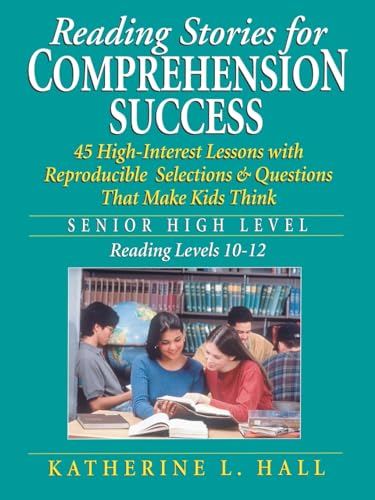
Brand: Jossey-Bass. This title provides senior high-level reading stories intended to promote comprehension success at advanced levels. The material supports higher-order thinking as students analyze themes, author purpose, and evidence within complex narratives and informational texts. It is sold as a used book in good condition, which may offer budget-friendly access for classrooms or independent learners.
Comprehension Skills: Short Passages for Close Reading

Brand: Scholastic. This book focuses on short passages crafted to enhance close reading practices, emphasizing evidence-based responses and precise textual analysis. It supports teachers aiming to sharpen students’ ability to cite textual support and interpret author intent within concise texts.
Evan-Moor Daily Reading Comprehension, Grade 1

Brand: Evan-Moor Educational Publishers. This daily workbook provides classroom-ready reading comprehension practice spanning fiction and nonfiction with reproducible worksheets and lesson plans. While listed here for completeness of related materials, note that grade level targets younger learners compared with the others in this guide. It can still offer foundational practices adaptable for mixed-ability high school contexts seeking supplementary skill-building.
Buying Guide
Key considerations when selecting reading comprehension books for high school and upper middle school students:
- Reading level alignment: Ensure the text tier matches the student’s grade and proficiency to build confidence without causing frustration.
- Question types: Look for a mix of factual, inferential, and analytical questions to support deeper comprehension and evidence-based responses.
- Passage length and structure: Short, focused passages help with stamina building; longer selections can support sustained analysis and critical thinking.
- Teacher supports: Reproducible worksheets, lesson plans, and mini-lessons can enhance instruction and save planning time.
- Cost and format: Consider budget-friendly options (used books) and formats that fit your classroom setup, including digital or print arrangements.
- Age-appropriateness: Confirm content aligns with senior high expectations to avoid materials that are too basic or too advanced.
- Supplementary materials: Some titles offer answer keys, rubrics, and discussion prompts that facilitate formative assessment.
- Durability and accessibility: For classroom use, durability and the availability of multiple copies or licenses may influence long-term usefulness.
- Adaptability: Materials that support guided instruction, independent practice, and homework activities provide flexible integration into varied curricula.
In selecting resources, educators should balance advanced literary analysis with accessible practice so students can progress from guided work to independent comprehension tasks. Evaluating sample passages and aligning with state or district standards can help determine the best fit for a given classroom or student cohort. The five titles highlighted here offer a spectrum of difficulty and instructional scaffolding that can complement a comprehensive reading program.