Choosing a solid pre-algebra program for homeschool learners sets the stage for success in algebra and beyond. This guide highlights a curated mix of oral traditions, practice workbooks, and activity-driven resources suitable for grades 6–8. The selections emphasize core skills such as fractions, decimals, variables, and problem-solving strategies, while offering both classroom-style structure and independent study options. Each product is evaluated for clarity, alignment with standards, and practical applicability in a home setting.
| Product | Brand | Format | |
|---|---|---|---|
| Spectrum Grades 6-8 Algebra 1 Workbook | Carson Dellosa Education | Workbook | Algebraic equations, rational numbers, graphing |
| The 100+ Series: Grade 6 and Up Pre-Algebra Workbook | Carson Dellosa Education | Workbook | Fractions, decimals, algebra expressions |
| Saxon Math 8/7 With Prealgebra | Saxon Publishers | Kit (Text, Worksheets, Solutions) | Pre-algebra integrated into math sequence |
| The 100 Series: Biology Workbook (6–12) | Carson Dellosa Education | Workbook | Science vocabulary and cross-disciplinary practice |
| Pre-Algebra Teacher’s Guide | Alpha Omega Publications | Teacher resource | Parent-led, spiral learning, Christian curriculum |
Spectrum Grades 6-8 Algebra 1 Workbook
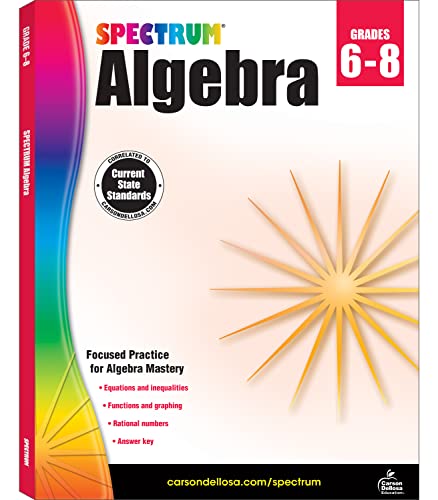
The Spectrum Algebra 1 Workbook from Carson Dellosa Education provides a structured supplement designed to extend math lessons with real-life applications. Topics cover factors and fractions, equalities and inequalities, functions, graphing, proportions, and more. It includes grade-appropriate activities with straightforward instructions aimed at building problem-solving and analytical abilities. This workbook is well-suited for homeschool use as a stand-alone resource or as a companion to core math curricula. The bite-sized activities support daily practice without overwhelming learners.
The 100+ Series: Grade 6 and Up Pre-Algebra Workbook

The 100+ Series Pre-Algebra Workbook is designed for versatility in home and school settings. It emphasizes mastery through progressive practice and includes three levels of activities for each skill, helping learners build confidence before tackling algebraic concepts. The book covers fractions, decimals, and algebraic expressions with clear instructions and ample repetition. It’s a reliable option for families seeking a structured, repeatable practice routine that aligns with middle school standards.
Saxon Math 8/7 With Prealgebra

Saxon Math 8/7 with Prealgebra integrates pre-algebra concepts into a sequential mathematics program, emphasizing mastery through incremental lessons and consistent practice. The kit includes a textbook, worksheets, and a solutions manual, making it a comprehensive option for homeschool families who prefer a structured, teacher-guided approach. The program is known for its cumulative review and long-form problem sets that reinforce procedural fluency and reasoning skills.
The 100 Series: Biology Workbook—Grades 6-12
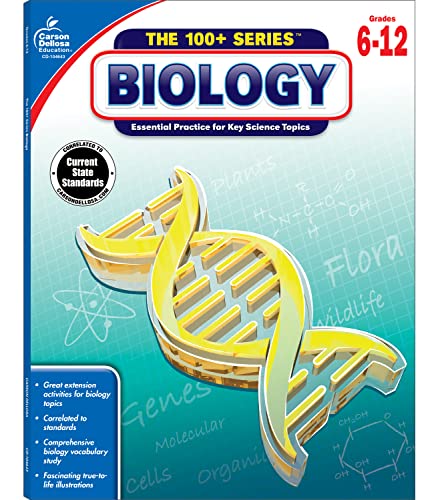
While primarily a science workbook, this resource offers complementary practice to reinforce scientific vocabulary and conceptual understanding—helpful for cross-disciplinary study in a well-rounded homeschool plan. Topics include matter, atoms, cells, genetics, elements, and bonds. It’s correlated to standards and can serve as extended practice for students who benefit from integrated science literacy alongside math.
Pre-Algebra Teacher’s Guide

This teacher’s guide from Alpha Omega Publications supports parent-led instruction with a Christian curriculum framework and spiral learning. It is designed to help homeschooling parents plan lessons, assess progress, and reinforce concepts through repeated exposure and varied activities. The resource is suitable for families seeking a faith-based approach that emphasizes practical application of pre-algebra skills within a structured routine.
Buying Guide: Key Purchase Considerations And Comparisons
When selecting a pre-algebra curriculum for homeschooling, consider alignment with state standards, instructional style, and learner needs. The following factors help compare options and identify the best fit.
- Format and pacing: Workbooks offer flexible pacing and standalone practice, while kits provide a complete sequence with tests and solutions. Decide whether you want a self-contained program or a supplemental resource.
- Skill coverage: Look for emphasis on fractions, decimals, equations, and graphing. Some products also integrate algebraic expressions and functions, preparing students for algebra readiness.
- Support materials: Teacher guides and solutions manuals aid planning and troubleshooting. For families new to math instruction, structured guidance reduces planning time.
- Standards alignment: Choose resources that align with common core or state standards to ensure consistent progression and ease of review.
- Teaching style: Consider whether a Christian or secular approach is preferred, and whether the learner responds better to structured sequences or exploratory activities.
- Practice volume: Balance the amount of drill and problem-solving. Resources with three levels of practice per skill help differentiate for mixed-ability households.
- Cross-curricular opportunities: Some science materials provide vocabulary and concepts that reinforce math skills. This can support a well-rounded homeschool plan.
- Resource longevity: Durable workbooks and teacher guides reduce the need for frequent replacements and provide long-term value for families with multiple students.