Discover trusted resources to help identify plants with confidence. This guide highlights five accessible books that cover taxonomy, practical identification, edible wild plants, and common plant ailments. Each selection is evaluated for clarity, visual aids, and how well it serves beginners and enthusiasts. Use the summary table below to compare essentials at a glance, then explore detailed sections for each title.
| Book | Brand | Key Features |
|---|---|---|
| Plant Identification Terminology: An Illustrated Glossary | Hweryho | Taxonomy, Glossary, Plant Identification |
| Botany in a Day: The Patterns Method of Plant Identification | HOPS Press LLC | Patterns-based approach, quick learning curve |
| How To Identify Plants | Swallow Press | Fundamentals, concise overview |
| The Complete Guide to Edible Wild Plants | Skyhorse | Edible/poison identification, 100+ photos |
| What’s Wrong With My Plant? And How Do I Fix It? | Timber Press | Diagnosis and remedies, practical care |
Plant Identification Terminology: An Illustrated Glossary

The book serves as a compact reference for terminology and taxonomy used in plant identification. Its illustrated glossary helps readers connect terms with visual cues, pairing scientific language with practical examples. Ideal for beginners who want a solid vocabulary for species recognition and field notes. While not a field guide with extensive photos, its clarity supports foundational learning and quick lookups during study or field exploration.
Key features include taxonomy-focused content and a concise glossary designed to reinforce consistent naming conventions. This resource works well as a companion to more pictorial guides, helping readers decode labels, family groups, and morphological terms encountered in the wild or in classrooms.
Botany in a Day: The Patterns Method of Plant Identification
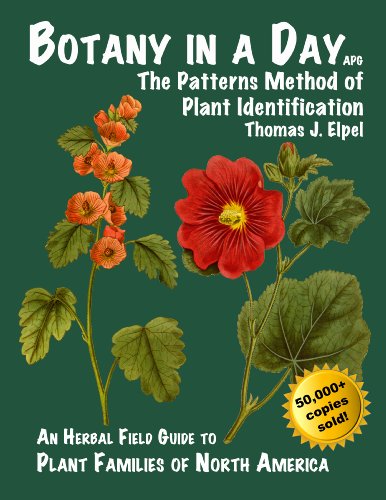
This book introduces a patterns-based approach to plant identification, aiming to simplify the process for beginners by focusing on recurring traits and recognizable cues. It emphasizes a practical, day-by-day learning path, which can accelerate your ability to group plants by common features before naming species. The guide’s structure supports field use and quick memory-building sessions, making it a popular choice for hobby botanists and nature lovers who want usable, repeatable methods.
Although some listings note it as a used copy, the instructional framework remains valuable for learners seeking an approachable route to plant identification. The patterns method helps readers form mental shortcuts and visualize connections across plant families, which can improve confidence in the field and during study sessions.
How To Identify Plants

This Swallow Press title offers a concise overview of plant identification fundamentals. It covers essential characteristics, naming conventions, and diagnostic features in a straightforward format, suitable for beginners and quick-reference study. The book’s compact presentation can complement more detailed field guides, ensuring readers build a solid base of recognition without becoming overwhelmed by technical jargon.
Key strengths include accessibility and brevity, enabling readers to grasp core concepts rapidly. The book serves well as a starting point before tackling more comprehensive or image-rich guides, helping readers develop systematic observation habits and a methodical approach to plant ID. It is particularly useful for students, casual naturalists, and gardeners seeking practical guidance without excessive detail.
The Complete Guide to Edible Wild Plants

This Skyhorse guide provides an in-depth look at edible wild plants, including identification cues, habitats, and safety notes. It features more than 100 color photographs to aid recognition and includes information on poisonous look-alikes. The emphasis on edible and poisonous distinctions makes it a practical resource for foragers, hikers, and backyard foragers who want to expand their plant knowledge with caution and context.
Strengths include comprehensive coverage and visual emphasis on edible characteristics, which helps readers distinguish safe choices from potential hazards. The book is well-suited for readers who plan to harvest or explore wild edibles, but should be used alongside more detailed references for rigorous scientific identification in professional settings.
What’s Wrong With My Plant? And How Do I Fix It?

This Timber Press volume focuses on diagnosing common plant problems and offering organic remedies. It equips readers with visual diagnostic cues, symptom-based troubleshooting, and remedial steps to improve plant health. The approach is practical for gardeners, homeowners, and students who want actionable, step-by-step guidance to address issues without resorting to chemical remedies.
Readers may appreciate the emphasis on easy-to-follow diagnostics and organic care solutions. While it may not cover every plant species in depth, it provides a reliable framework for identifying problems such as pests, diseases, and environmental stress, along with practical remedies for home gardening contexts.
Buying Guide: Key Purchase Considerations
- Purpose and scope: Choose a book aligned with your goals—basic identification, field use, edible plants, or troubleshooting plant health.
- Visuals vs. text: If you prefer quick recognition, seek titles with high-quality photos or diagrams; if terminology matters, prioritize glossaries and taxonomy sections.
- Audience level: For beginners, look for clear explanations and step-by-step methods; more advanced readers may seek detailed keys and species-specific guidance.
- Format and portability: Field-friendly books are compact with durable bindings; reference volumes can be larger but more comprehensive.
- Safety notes: For edible plants, ensure the book clearly differentiates safe edibles from toxic look-alikes and includes cautions.
- Editions and updates: Taxonomy changes over time; consider newer editions or books that reflect current naming conventions.
In sum, the best plant identification books balance accessible language, visual cues, and practical guidance. Depending on your needs—whether you want a foundational vocabulary, a quick-pattern approach, edible plant knowledge, or solutions for plant health—there is a suitable option among these five titles. Cross-reference with field guides or regional flora to enhance accuracy in your local environment.