If you’re a small-business owner, a well-structured planner can turn big visions into actionable steps. These five planners are designed to align daily actions with quarterly goals, helping you track revenue, manage projects, and stay organized. They’re best for entrepreneurs, solo operators, coaches, and small teams seeking clarity, accountability, and a steady growth rhythm. The table below highlights each option’s focus and who benefits most.
| Product | Best For | Why It Stands Out |
|---|---|---|
| Goal Planner and Monthly Business Planner (Transformative Pages) | Entrepreneurs seeking quarterly structure | 90-day planning with guided prompts for revenue drivers |
| GROWTH ATLAS Daily, Weekly & Monthly Planner | Owners needing daily-action alignment | Clear day-to-day execution tied to quarterly goals |
| ZICOTO Daily Planner And Notebook | Busy professionals needing organized time blocks | Half-hourly blocks and ample planning space |
| Clever Fox Income & Expense Tracker | Small-business finance managers | Simple ledger for year-long accounting and receipts |
| Start Your Business Today: Guided Journal | New entrepreneurs drafting a business plan | Step-by-step business planning prompts |
Goal Planner And Monthly Business Planner By Transformative Pages

The planner combines strategy and goal-setting in one place, designed to work with your daily organizer. It helps map the annual vision, set 90-day priorities, and conduct quarterly reviews with guided prompts to surface what drives revenue and what drains it. Best for entrepreneurs who want a strategic layer without overhauling their current workflow. A potential limitation is that it assumes a certain level of quarterly cadence; users who prefer weekly planning might supplement with additional tools.
GROWTH ATLAS Daily, Weekly & Monthly Planner
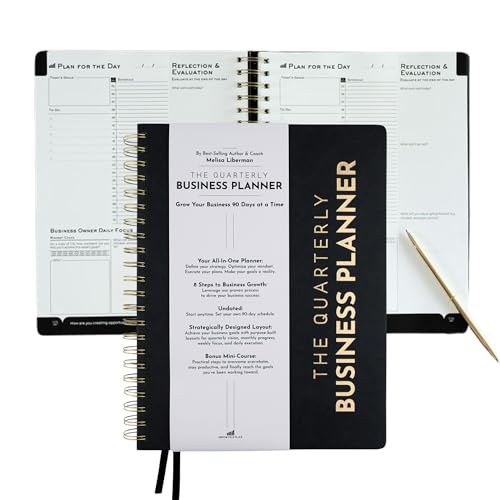
This planner links daily actions to quarterly goals with a focus on business ownership. It blends strategy and mindset to help you plan your day and execute with precision, making it ideal for owners who handle complex projects. It offers monthly, weekly, and daily planning with guided prompts. Choose this if you need a robust cadence that supports long-term objectives, but be aware it may require discipline to maintain the multiple planning layers.
ZICOTO Daily Planner And Notebook With Hourly Schedule

Designed for precise time management, this planner offers half-hourly focus blocks and expansive daily notes. It’s best for professionals who want a visually appealing, structured day-to-day plan. The main limitation is that 80 planning days may feel short for larger projects; it works best when complemented by a longer-term tracker.
Clever Fox Income & Expense Tracker
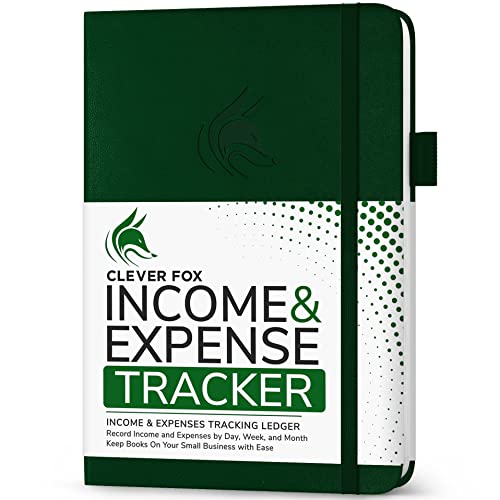
This 1-year ledger focuses on small-business finances, with 113 pages including weekly views and an annual summary. It’s best for owners who want a concise, undated system to record transactions and prepare financial statements. A caution: it lacks integration with other tools, so you may need to export data for wider financial reporting.
Start Your Business Today: Guided Journal
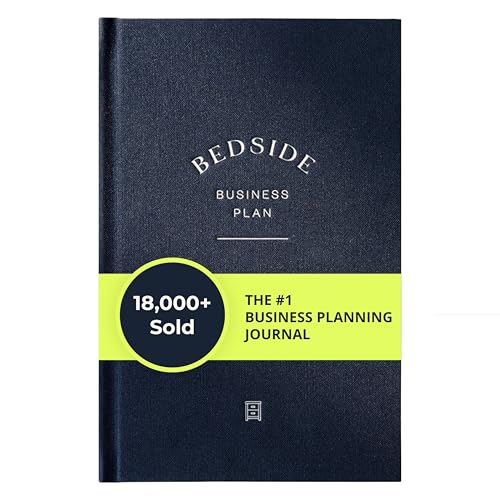
For new entrepreneurs, this guided journal helps turn ideas into a complete business plan. It provides 13 journaling sections with over 100 prompts, supporting a daily 5-minute routine. It’s best for early-stage planners who need a clear roadmap, but might be less suited for seasoned operators seeking advanced financial modeling in a single notebook.
Buying Guide: Planner Purchases That Fit Your Business Rhythm
- Cadence: Do you prefer quarterly, monthly, or daily planning? Choose a tool that matches your natural decision rhythm (90-day cycles vs. weekly planning).
- Focus areas: Are you prioritizing strategy, finances, or daily productivity? Pick a planner that emphasizes your top need (e.g., revenue tracking vs. time-blocking).
- Integration: Will you use the planner alongside digital tools or independent planning? Some options pair well with apps, while others function best as standalone systems.
- Space and layout: Do you want spacious daily pages or compact formats? Ensure the layout accommodates your typical workload and note-taking style.
- Progress tracking: Is there a clear mechanism for reviewing and reflecting on results? Strong options offer structured quarterly or monthly reviews.
Frequently Asked Questions
- What is the main benefit of a quarterly planning planner?
- Who should use a daily planner with hourly blocks?
- Is a ledger-style tracker useful for a small business?
- Can a guided journal replace a traditional business plan?
- Do these planners support collaboration for small teams?
- What should I look for in a beginner-friendly business planner?
It helps align long-term goals with actionable 90-day steps, keeping momentum between reviews.
Professionals juggling multiple projects who need precise time allocation and task sequencing.
Yes, for clear financial visibility, quick summaries, and easier preparation of financial statements.
It can help initialize a plan; however, for investors or lenders, you may still need a formal document with detailed projections.
Some are designed for solo use; others can be adapted with shared notes, but check if multi-user features are needed.
Clear prompts, a straightforward structure, and a cadence that you can realistically maintain without overload.