When anxiety and executive-function hurdles make daily planning feel overwhelming, the right planner can offer structure without adding stress. This guide highlights five ADHD-friendly planners designed to reduce overwhelm, track moods, and keep tasks focused. Ideal buyers include adults with ADHD seeking daily prioritization, individuals managing anxiety who want a clear self-care routine, and anyone who benefits from a calm, structured approach to tasks. Below is a quick buying snapshot to help you compare at a glance.
| Product | Best For |
|---|---|
| ADHD Daily Planner for Neurodivergent Adults – Rainbow | Neurodivergent adults needing daily prioritization and brain-dump space. |
| CanPlan Mental Health Planner | Those seeking stress relief prompts, mood tracking, and therapy-friendly tools. |
| Worry for Nothing: Guided Anxiety Journal | People who want CBT-based prompts to reframe worries and track progress. |
| Mental Health Journal — 90-Day Self-Care Planner | Individuals pursuing a structured, three-month focus on thoughts and habits. |
| Clever Fox Mental Health & Anxiety Journal | Readers seeking CBT-style prompts to identify triggers and cope better. |
ADHD Daily Planner for Neurodivergent Adults — Rainbow

Best for: Neurodivergent adults who need a structured day with prioritized tasks and a brain-dump space. This ADHD-friendly daily planner helps you choose important tasks first, break your day into actionable steps, and avoid getting lost in a long to-do list. It’s particularly suited for those who benefit from guided prompts to reduce overwhelm.
Why selected: The planner’s combination of prioritization prompts and a dedicated brain-dump area supports quick capture of thoughts and distractions, then converts them into clear actions. It promotes daily focus without forcing rigid routines.
Caution: Data suggests you may need a separate mood tracker if you want deeper emotional insights beyond daily tasks.
CanPlan Mental Health Planner

Best for: Readers seeking a wellness-oriented planner with mood tracking, self-reflection prompts, and therapy-support features. A good match for those who want to couple daily planning with mental health insights.
Why selected: It blends stress-relief prompts, self-awareness exercises, and medication/therapy tracking to reinforce consistent care. This makes it suitable for users who want a comprehensive wellness toolkit in one book.
Caution: The emphasis on therapy support means it may be less of a strict task manager for days with heavy cognitive load; pairing with a dedicated task planner could help on busy days.
Worry for Nothing: Guided Anxiety Journal

Best for: Individuals who want CBT-based exercises to track worries, test evidence for thoughts, and reframe anxious thinking. It’s ideal for readers who prefer a non-dated, portable journaling format.
Why selected: The journal emphasizes evidence-based cognitive techniques to reduce anxious thinking and improve mindfulness, with discrete design suitable for personal use in any setting.
Caution: It is a journaling tool, not a calendar; users seeking daily scheduling features may want to pair it with a separate planner for tasks and appointments.
Mental Health Journal — 90-Day Self-Care Planner

Best for: Those aiming for a three-month focus on mental health, with guided self-care planning, mindfulness, and habit tracking. Suitable for readers who want a clear, time-bound improvement plan.
Why selected: The structure combines daily reflections, weekly and monthly summaries, and habit tracking to help users build sustainable routines and monitor progress over 90 days.
Caution: The 90-day frame may require a smooth transition to a new planner after the period ends to maintain momentum.
Clever Fox Mental Health & Anxiety Journal

Best for: Readers seeking a guided CBT-style journal to identify triggers, track emotions, and reframe negative thoughts. It’s a compact, approachable option for daily use.
Why selected: The journal’s prompts help users recognize triggers and convert negative thinking into balanced perspectives, supporting ongoing coping strategies.
Caution: May be most effective when used alongside a task-focused planner for daily scheduling and goal setting.
The Anti-Planner: How to Get Sh*t Done When You Don’t Feel Like It
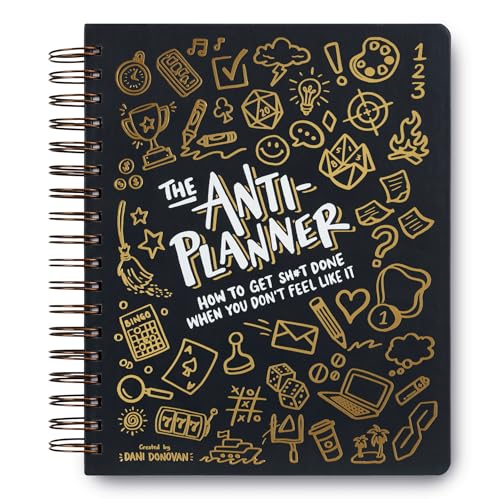
Best for: Adults seeking unconventional, engaging productivity strategies that suit ADHD traits and irregular motivation. This offers a playful alternative to traditional planners.
Why selected: With comics, coloring pages, and non-traditional layouts, it can boost engagement and sustain focus for those who resist boring routines.
Caution: It may diverge from conventional time management methods; pair with a more structured calendar if strict scheduling is required.
ADHD Cleaning Planner for Adults

Best for: Adults and women seeking a cleaning-focused planner with motivating visuals and a practical layout. It’s a good match for building consistent routine habits around home tasks.
Why selected: The undated daily, weekly, monthly formats, plus a durable, spiral-bound design, support bite-sized wins and long-term cleanliness goals.
Caution: This planner emphasizes cleaning routines; users seeking broader life planning should consider pairing it with a separate task manager for non-household goals.
Buying Guide: Key Considerations for an Anxiety-Reducing Planner
- Purpose alignment: Choose a planner that matches your primary need—daily task prioritization, mood tracking, CBT-based prompts, or habit building.
- Structure vs. flexibility: If you benefit from routine, pick a dated or semi-structured planner. If you crave creativity, look for flexible layouts or spill-and-scribble sections.
- Mental health features: Mood trackers, stress-relief prompts, therapy notes, and cognitive-behavioral exercises can reinforce coping skills.
- Portability and durability: Consider size, binding, and cover material if you’ll carry it daily or travel often.
- Combination approach: Some users flourish with a dedicated anxiety journal for CBT prompts alongside a separate task planner for daily scheduling.
FAQ
- What’s the main benefit of an ADHD-friendly planner for anxiety?
It helps prioritize tasks, reduces overwhelm, and provides a consistent structure that supports emotional regulation. - Should I use a journal and a planner together?
Yes, for a comprehensive approach. A planner handles tasks and scheduling, while a CBT-style journal supports emotion processing and coping skills. - What features are most effective for anxiety management?
Mood tracking, stress prompts, reflective questions, and actionable steps that break tasks into clear, doable actions. - How long should I commit to a new planner?
A three-month or 90-day window often helps establish a routine and allows for meaningful progress tracking. - Can these planners replace therapy?
No. They’re tools to support mental wellness but should complement, not replace, professional care and therapy when needed. - Are these planners suitable for both men and women?
Yes, the products listed are designed for a broad audience and emphasize universal strategies for anxiety management.