Finding phonetics-friendly books for young learners helps children connect sounds with letters, build early literacy confidence, and enjoy reading aloud. This guide highlights five selected titles designed for kids ages preschool to early elementary, emphasizing phonics, sight words, and word-building activities. Each pick combines colorful illustrations, age-appropriate activities, and durable formats to support independent practice at home or in classrooms.
| Product | Brand |
|---|---|
| Kaplan Early Learning Read-Aloud Books and CDs – Set of 4 Colorful Children’s Books | Kaplan Early Learning Company |
| Preschool Learning Activities – Tracing Books for Kids Ages 3-5 | Momo & Nashi |
| Bob Books – Set 1: Beginning Readers Box Set | Scholastic |
| Learn to Read: A Magical Sight Words and Phonics Activity Workbook | Modern Kid Press |
| Highlights Puzzle Fun 2025 Books for Kids | Highlights for Children |
These five selections balance phonemic awareness, quick-reading confidence, and screen-free activities. They also provide a mix of story-driven practice, writing readiness, and puzzle-based challenges to support varied learning styles and attention spans. Below you’ll find detailed sections for each title, followed by a practical buying guide to help you compare features like age suitability, durability, activity variety, and learning goals.
Kaplan Read-Aloud Books: Colorful Phonics & CDs

Kaplan Early Learning Read-Aloud Books combine engaging stories with repetition, rhyme, and vivid illustrations that aid word recognition and phonemic awareness. The included CDs provide an auditory model that helps children imitate fluent phrasing, making it ideal for shared reading or independent listening practice. The format supports early readers as they learn to blend sounds and letters, while caregivers can use prompts to reinforce phonics goals. The collection’s accessible language and rhythmic patterns are well-suited for daily read-aloud routines that build confidence and vocabulary.
Preschool Tracing Books: Fine Motor & Letters
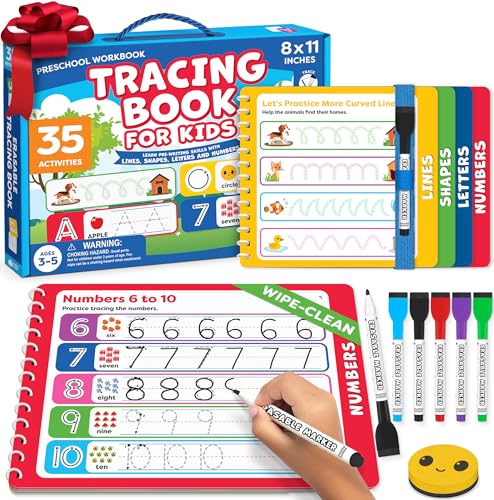
This all-in-one tracing workbook is designed for ages 3-5, focusing on letter tracing, shapes, lines, and numbers. It includes dry-erase markers and a storage box for repeated practice, helping kids strengthen handwriting readiness, pencil grip, and visual-motor coordination. The activities foster independent play while reinforcing fine motor skills essential to early writing. The set’s durable, reusable design makes it suitable for homeschooling, daycare settings, or Montessori environments where ADHD-friendly, engaging tasks are valued.
Bob Books Set 1: Beginning Readers

Bob Books Set 1 introduces beginning readers through simple, phonics-based text and decodable storylines that help kids practice blending sounds to form words. The sturdy packaging keeps sets organized, and the easy-to-read layout supports early confidence as children transition from picture-supported text to independent reading. These books align with early literacy goals by emphasizing phoneme-grapheme correspondences and repetitive patterns that reinforce recall and fluency in beginner readers.
Magical Sight Words & Phonics Workbook

This activity workbook blends sight-word practice with phonics instruction, helping children recognize common words while decoding new ones. It is designed for beginners in kindergarten and first grade, offering structured activities that support early reading fluency, oral language development, and word-building skills. The focus on both sight words and phonics helps bridge decoding and reading comprehension, making it a versatile tool for classroom and home practice.
Highlights Puzzle Fun: Brain Boosting Activities

Highlights Puzzle Fun books offer screen-free challenges that strengthen thinking skills, word-puzzle familiarity, and logical reasoning. The 2025 four-book set includes hidden pictures, mazes, crosswords, and word searches, providing varied linguistic stimulations that complement phonics work. While not strictly phonics-centered, these activities reinforce critical reading components—pattern recognition, vocabulary expansion, and problem-solving—which support a well-rounded early literacy journey.
Buying Guide: Key Considerations for Selecting Phonetics Books
- Learning goals: Match books to your child’s needs—phonics decoding, sight-word recognition, handwriting readiness, or a mix of these skills.
- Age and reading level: Check age ranges and suggested reading levels to ensure appropriate challenge without frustration.
- Format and durability: Look for durable bindings, wipe-clean pages, and reusable components (like dry-erase tools) for long-term use.
- Activity variety: A balanced mix of stories, tracing, interactive puzzles, and hands-on activities can sustain engagement and accommodate different learning styles.
- Independent vs. guided practice: Consider how much scaffolding the book offers—whether it supports teacher-led sessions, parent-guided activities, or self-directed practice.
- Inclusion of audio or digital components: CDs or downloadable audio can reinforce pronunciation and fluency, but ensure screen-free options are available if desired.
- Durability and reuse: For families with siblings, books that withstand repeated handling and erasable materials offer greater value.
- Portfolio fit: If you’re collecting resources for a classroom or homeschool curriculum, choose titles that align with your existing scope and sequence.
Across these five selections, educators and parents can assemble a phonics-focused reading toolkit that supports early literacy through multiple modalities. The combination of decodable texts, tracing practice, sight words, and screen-free puzzle activities fosters a comprehensive approach to learning to read and write. By selecting titles that align with a child’s current skills and daily routines, caregivers can cultivate consistent reading habits and concrete progress over time.