Discover top Maynard Ferguson records that showcase his blazing high-note technique, inventive arrangements, and big-band energy. This guide helps listeners choose albums by era and style, whether you want early big-band vitality, high-flying trumpet showcases, or deluxe compilations. The featured picks span classic live sets to essential collections, with clear reasons for who each title suits best. Whether you’re a longtime Ferguson admirer or a new listener, these selections offer strong starting points for exploring his prolific career.
| Album | Format | Best For |
|---|---|---|
| Primal Scream/New Vintage/Carnival | CD / Digital | Casual listeners seeking a broad overview with energetic hits |
| M.F. Horns 4&5: Live At Jimmy’s | CD / Digital | Live centerpiece fans who want raw fusion energy |
| The Essential Maynard Ferguson | CD / Digital | New listeners seeking a concise career-spanning intro |
| Horn / Horn 2 / Horn 3 | CD / Digital | Collectors and fans of early Ferguson horn teams |
| With His Own Bands: Early Years 1954-57 | CD / Digital | Archivists and curious listeners interested in formative sessions |
Primal Scream/New Vintage/Carnival

The album groups Ferguson’s energetic late-1970s work with big-band swagger and modern production. Best for listeners who want a broad taste of his stylistic range in a single package. The mix highlights punchy horn lines and accessible melodies, making it a good entry point for casual jazz fans and Maynard collectors alike. A potential limitation is that the compilation may blend different sessions, which can mute the specific character of each era.
M.F. Horns 4&5: Live At Jimmy’s

Recorded live, this set showcases Ferguson’s high-end technique and dynamic interplay with his horn section. Best for listeners who crave a vivid live atmosphere and precise, high-energy brass. It stands out for capturing the immediacy of Ferguson in performance. A caveat is that live tracks can emphasize crowd ambience and tempo shifts, which may feel less polished than studio albums.
The Essential Maynard Ferguson

As a concise overview, this collection pulls key Ferguson moments into one compact package. Best for new listeners seeking a straightforward career snapshot and for fans who want a reliable, non-overwhelming listen. A potential limitation is that essential collections may omit some deep cuts that dedicated fans love.
Horn / Horn 2 / Horn 3
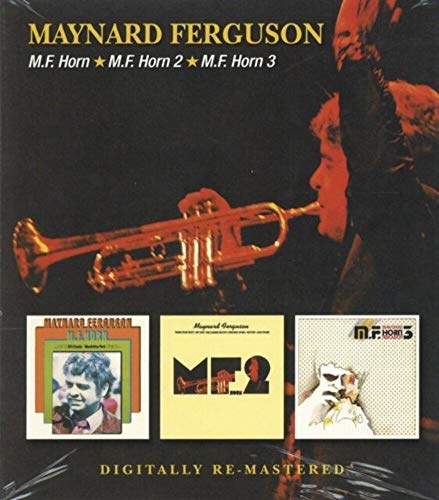
This trio captures Ferguson with a core horn lineup, emphasizing tight arrangements and brisk horn lines. Best for fans who appreciate early Ferguson arrangements and the development of his big-band voice. A limitation is that the set may feel dense for listeners who prefer smoother, later-stage productions.
With His Own Bands: Early Years 1954-57
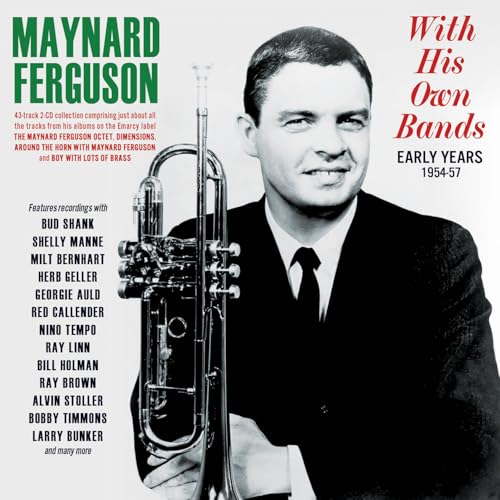
The recordings here mark Ferguson’s first forays into leading bands, offering a window into his developing leadership and trumpet style. Best for historians and completists who want to trace Ferguson’s precursors to his later, more famous work. A caution is that early sessions may have variable sound quality compared to later remasters.
Buying Guide
What should you consider when choosing Maynard Ferguson recordings? Start with your listening goals, followed by sound quality and historical interest. The following questions help orient choices.
What era do you prefer?
Late-1970s recordings emphasize fusion vibes and modern production, while the mid-1950s to early-1960s sets highlight the growl and sparkle of classic big-band jazz. Choose based on whether you want vintage warmth or contemporary brightness.
Is live energy important?
Live albums, like M.F. Horns 4&5: Live At Jimmy’s, deliver spontaneous swing and crowd presence. They are best for listeners who enjoy the immediacy of a performance and the chance to hear improvisational flair.
How important are liner notes and historical context?
Compilations and essential collections typically include curated selections and notes, which help newcomers learn Ferguson’s career arc. If context matters, look for title that emphasizes “Essential” or similarly informative labeling.
What about sound quality and remastering?
Some titles originate from older master tapes. Remastered editions can improve clarity, but may also alter the warmth of original recordings. When in doubt, compare listening samples if available.
Who is the ideal buyer of these titles?
Casual jazz fans: Primal Scream/New Vintage/Carnival offers a broad taste. Collectors and completists: With His Own Bands: Early Years 1954-57 provides formative context. New listeners: The Essential Maynard Ferguson gives a compact entry point with representative tracks.
How should you listen?
For the best experience, use a good stereo system or quality headphones. A separate amp and horn-friendly speakers help reveal Ferguson’s trumpet timbre and the brass section’s brightness, especially on high-register passages.
FAQ
- Which Maynard Ferguson album is best for beginners? The Essential Maynard Ferguson is a solid starting point for a concise career overview.
- Are there good live Maynard Ferguson records? Yes, M.F. Horns 4&5: Live At Jimmy’s showcases dynamic live performance and interaction with the band.
- Should I buy a compilation or a set of original albums? Compilations offer breadth and context, while original albums provide the intended sequencing and atmosphere of each era.
- Do these titles include historical notes? Some do, particularly the essential collections and live-era releases; check product descriptions for liner notes or essays.
- Is sound quality consistent across these titles? Remastering varies by release; newer editions often improve clarity but may alter tonal warmth.
- Who is Maynard Ferguson best for? Brass players, big-band enthusiasts, and listeners who enjoy high-register trumpet work and energetic arrangements.