Finding engaging nonfiction resources for kindergarten helps young learners build essential early literacy and numeracy skills. This article highlights kid-friendly nonfiction–inspired workbooks and early readers that emphasize real-world concepts, phonics, sight words, and hands-on activities. Each pick supports classroom or homeschool learning, with clear activities, bright visuals, and age-appropriate challenges. Explore five carefully chosen options designed to strengthen alphabet knowledge, sentence structure, and early nonfiction comprehension, while keeping young readers motivated and excited to learn.
| Product | Brand | Key Focus |
|---|---|---|
| ABC Dot-to-Dots Workbook | School Zone | Alphabet, counting, early puzzles |
| Kindergarten Phonics Workbook | Spectrum | Phonics, letter recognition, sounds |
| Phonics for Kindergarten Workbook | Carson Dellosa Education | Beginning sounds, sight words, games |
| Nonfiction Sight Word Readers Pack | Scholastic | Early readers, sight words, simple nonfiction |
ABC Dot-To-Dots Workbook For Early Learners

The School Zone ABC Dot-to-Dots Workbook is designed for preschool through kindergarten learners who are building foundational literacy and number skills. The workbook combines connect-the-dots activities with alphabet practice and simple counting exercises, helping children recognize letter shapes, order, and basic numerical concepts. The included activities are age-appropriate and designed to reinforce fine motor coordination and visual tracking, making it a practical tool for parents and teachers seeking structured, low-prep nonfiction-like content for early learners.
Features include: School Zone branding and inventory codes SZPRESCH-02070, which indicate a focus on preschool through early kindergarten learning. The workbook’s approachable puzzles align with early literacy standards, offering a friendly path to letters and numbers without overwhelming young readers.
Spectrum Kindergarten Phonics Workbook

The Spectrum Kindergarten Phonics Workbook emphasizes phonics fundamentals for ages 5 to 6. It provides structured practice in letter recognition, order, and sound patterns, with activities that integrate knowledge and ideas to support reading readiness. The workbook includes exercises focused on phonics, structural analysis, and dictionary skills, helping children develop sound-letter connections and early decoding abilities. This resource supports both classroom and home learning, making it a solid nonfiction-oriented guide for building foundational literacy.
Phonics For Kindergarten Workbook
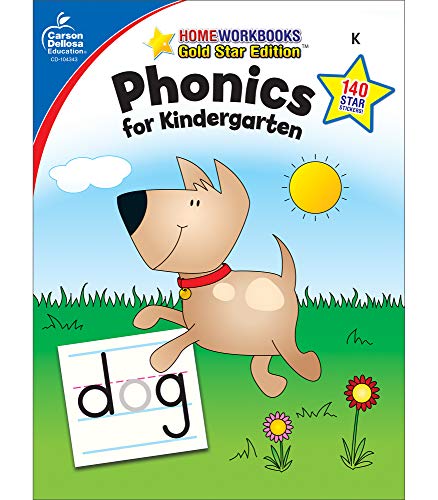
Carson Dellosa’s Phonics for Kindergarten Workbook blends engaging visuals with focused phonics practice. It features sight words, beginning consonant and short vowel sounds, and educational games and puzzles that align with early learning standards. The workbook is designed for both classroom use and homeschooling, offering an approachable path to language arts foundations. It includes an incentive chart and 140 stickers to encourage continued participation, making it a practical nonfiction-style resource that reinforces reading and writing readiness.
Scholastic Nonfiction Sight Word Readers Pack: Level A

This Scholastic pack offers a set of 25 early readers focused on sight words, supporting essential words that appear frequently in nonfiction texts. The Level A collection helps kindergartners practice decoding and fluency with simple, engaging nonfiction-inspired content. The format is designed for independent reading, guided practice, and small-group literacy activities, making it a practical entry point into nonfiction texts for young readers.
Buying Guide: Key Considerations for Kindergarten Nonfiction Learning Aids
- Age appropriateness: Look for workbooks and readers labeled for preschool to kindergarten (ages 3–6). Materials should balance challenge with achievable tasks to sustain motivation.
- Nonfiction emphasis: Choose resources that introduce real-world topics through simple explanations, photos, and diagrams to build early nonfiction comprehension alongside core literacy skills.
- Phonics and decoding support: Phonics-focused titles help children connect sounds to letters, a critical step in reading nonfiction texts with unfamiliar vocabulary.
- Sight word practice: Early readers benefit from a core set of sight words; consider packs that provide repetitive exposure to these words to boost fluency.
- Hands-on and interactive elements: Puzzles, dot-to-dots, games, and stickers promote engagement and reinforce learning through play, which is essential at this stage.
- Teacher and caregiver resources: Incentives, charts, and teacher’s guides can enhance implementation in both classroom and home settings.
- Visual clarity and design: Bright illustrations, clear fonts, and simple layouts aid word recognition and keep kids focused on content.
- Durability and format: Spiral-bound or perforated pages facilitate frequent use, while compact sizes fit home desks, small tables, or backpacks.
- Progress tracking: Look for tools (like activity charts or checklists) that help monitor growth in phonics, sight words, and reading confidence over time.
- Cost and value: Consider bundles or multiple-workbook sets that support a coherent learning path without overwhelming the learner or parent.