Parents and teachers looking for effective, kid-friendly math practice will find a range of workbooks that blend skill-building with engaging activities. The following selection highlights structured pages for early numeracy, place value, time, fractions, and word problems. Each option is designed to support independent practice, classroom warm-ups, or tutoring sessions, helping children build confidence with foundational math concepts.
| Product | Brand | Pages / Scope | Key Benefit |
|---|---|---|---|
| School Zone Addition & Subtraction Workbook | School Zone | 64 pages; sums, differences, place value, regrouping | Focused practice for 1st–2nd graders |
| School Zone Big Second Grade Workbook | School Zone | 320 pages; word problems, reading, phonics, math | Comprehensive second-grade review |
| School Zone Big First Grade Workbook | School Zone | 320 pages; basic math, time, money, fractions | Foundational skills with color-coded sections |
| Carson Dellosa Common Core Math 4 Today 3rd Grade | Carson Dellosa Education | Daily practice; weekly assessments | Aligns with Common Core standards |
| School Zone Big Preschool Workbook | School Zone | 320 pages; ABCs, early math, writing, colors | Early math and pre-reading readiness |
Each workbook on this list serves a distinct stage of math learning, from preschool number sense to third-grade operations and word problems. The right pick depends on a child’s current level, learning style, and whether practice should be quick daily drills or longer, focused sessions. Below are detailed sections for five top options, with feature highlights and practical usage tips for parents and educators.
Best Addition & Subtraction Practice For Early Learners

The School Zone Addition & Subtraction Workbook offers a concise 64-page collection designed for ages 6-8. It covers sums, differences, place value, regrouping, and fact tables, with activities that vary in difficulty to align with a child’s progress. The workbook format supports independent work at home or structured practice in class, making it suitable for quick daily drills or targeted skill review. The content emphasizes practice patterns that reinforce mental math and number sense.
Extensive Second Grade Math And Reading Practice

This 320-page workbook supports second graders with a broad range of activities, including word problems, reading comprehension, phonics, math, and science. Its length allows for sustained practice across an entire term, aiding teachers and tutors who need a comprehensive workbook to cover a full curriculum segment. The format is designed to keep learners engaged with varied tasks and clear sections that aid self-checking and progression tracking.
Comprehensive First Grade Math & Language Workbook

Designed for early learners, this 320-page workbook integrates math basics with reading and language skills. It covers time, money, fractions, and story problems, with color-coded sections to help students distinguish between concepts. The broad approach supports both home practice and classroom centers, making it a versatile option for teachers seeking a go-to resource for first-grade routines and tests.
Daily Core Math Practice For Third Grade
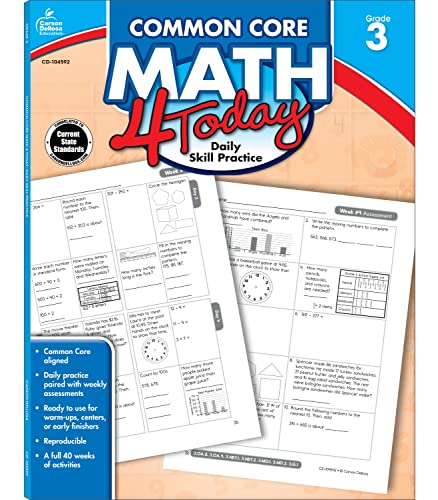
Carson Dellosa’s Common Core Math 4 Today Volume 6 offers targeted daily practice suitable for third graders. The program emphasizes quick warm-ups followed by a short weekly assessment cycle, ideal for classroom use or homeschool routines. It aligns with Common Core standards, ensuring that students practice relevant skills in a structured, measurable way. Teachers can leverage it to monitor progress and adjust instruction accordingly.
Colorful Preschool Workbook For Early Math & Literacy

The Big Preschool Workbook targets early learners with 320 pages of activities that blend writing, numbers, colors, shapes, and basic phonics. It emphasizes hands-on practice through writing in workbook pages, not digital screens, which supports fine motor development and concentration. This resource helps families and preschool programs establish foundational literacy and numeracy before formal schooling, ensuring a smoother transition to more advanced math concepts.
Buying Guide: Key Purchase Considerations
- Age and grade alignment: Choose workbooks that correspond to the child’s current classroom level and the next skill they should master.
- Scope and depth: Some books are broad review tools; others focus on timed drills, word problems, or specific topics like place value or fractions. Match to learning objectives.
- Practice format: Decide between short daily activities or longer, in-depth lessons. Consider whether you need print-ready pages for tutoring sessions or classroom centers.
- Accessibility and layout: Look for color coding, clear instructions, and varied problem types to sustain engagement for different learning styles.
- Progress tracking: Books with progress indicators or integrated answer keys help measure growth over time and guide instruction decisions.
- Durability and print quality: For young learners, sturdy binding and easy-to-clean pages reduce wear from frequent use.
- Teacher and parent resources: Some titles include guidance notes or companion resources to help adults maximize impact.
- Curriculum alignment: When possible, choose titles that align with state standards or common core frameworks to ensure relevant practice.
Selecting the right math workbook involves considering a child’s interest level, attention span, and the need for both procedural fluency and word-problem interpretation. The choices listed above provide varied approaches—from quick daily tasks to extensive practice—so educators and families can assemble an effective math-learning plan that fits a child’s unique needs.