Explore top math read-alouds that support early numeracy, number sense, and problem-solving for kindergarten students. This guide highlights engaging books and workbooks that pair storytelling with foundational math concepts, helping young learners build confidence and joy in math.
| Product | Brand | Key Focus | Format |
|---|---|---|---|
| Evan-Moor Smart Start Math, Kindergarten Workbook | Evan-Moor Educational Publishers | Numbers, Shapes, Patterns, Measurement, Graphing, Sorting, Addition, Subtraction | Workbook with audio read-alouds and activities |
| Channie’s One Page A Day Single Digit Addition & Subtraction | Channie’s | Single-digit addition and subtraction practice | Single-page daily worksheets |
| Horizons Kindergarten Math Student Book 1 | Alpha Omega Publications | Parent-led curriculum, spiral learning, Christian perspective | Student book |
| The Mission of Addition (Math Is CATegorical) | Millbrook Press | Addition concepts with humor and visuals | Informational picture book |
Evan-Moor Smart Start Math, Kindergarten Workbook

The Evan-Moor Smart Start Math workbook provides a strong math foundation with essential topics including numbers, shapes, patterns, measurement, graphing, sorting, addition, subtraction, and more. It combines creative, engaging lessons with activities designed to reinforce core skills. Reward stickers are included to motivate children as they complete activities. This resource works well for homeschool environments and early classroom settings, offering structured practice that aligns with kindergarten readiness goals.
Channie’s One Page A Day Single Digit Addition & Subtraction

This workbook targets early math fluency with daily, highly visual single-digit addition and subtraction problems. Each page uses color-coded blocks to illustrate sums and a green bottom-number anchor to separate problem from answer. The format supports consistent practice, making it suitable for Pre-K to 1st grade learners, homeschool settings, and special education supports as a gentle progression into more complex math.
Horizons Kindergarten Math Student Book 1

Horizons Kindergarten Math Student Book 1 offers a parent-led curriculum with a focus on spiral learning. It combines structured lessons with practice that reinforces number sense, counting, shapes, and basic operations. The Christian-oriented framework may align with faith-based educational goals or families seeking values-informed instruction, while still prioritizing essential early math skills.
The Mission of Addition (Math Is CATegorical)
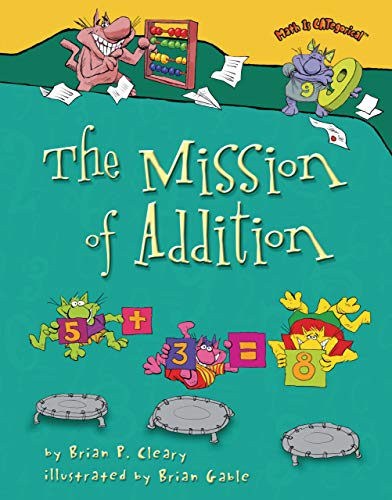
This picture book uses humor and vivid illustrations to introduce addition concepts in an approachable way. Written by the creators of the Words Are CATegorical series, it presents addition as a playful, exploratory idea rather than a mere calculation task. It serves as an excellent read-aloud option to spark curiosity and discussions about numbers, combining storytelling with foundational math thinking.
Buying Guide: Key Purchase Considerations
- Age appropriateness: Look for materials designed for kindergarten readers, emphasizing number sense, basic operations, and shapes.
- Format and modality: Consider a mix of read-aloud storybooks, practice workbooks, and visual aids to support different learning styles (auditory, visual, hands-on).
- Curriculum alignment: If you follow a formal curriculum, verify that the materials complement your existing program or stand alone for homeschool use.
- Engagement and motivation: Reward systems, colorful visuals, and interactive activities encourage consistent practice and positive attitudes toward math.
- Differentiation: Choose resources with clear scaffolding or options for extra practice to support varied abilities within a classroom or home setting.
- Christian or values-based framing: Some titles include faith-based perspectives; consider whether this aligns with your educational goals.
- Read-aloud potential: Books should have engaging storytelling that naturally integrates math concepts, making conversations and extensions easier.
- Accessibility: Audio read-aloud features or read-aloud companions can benefit early readers and students who benefit from hearing concepts explained aloud.
- Durability and format: For repeated use with young children, consider sturdy workbooks or durable picture books that withstand frequent handling.
How to Use These Resources Effectively
- Structure short daily sessions focused on a single concept to build fluency without fatigue.
- Pair read-alouds with hands-on activities such as counting objects, sorting, and simple addition with manipulatives.
- Incorporate discussion prompts that connect math to real-life scenarios (sharing snacks, counting steps, or finding shapes in the environment).
- Rotate between story-based and workbook-based activities to maintain engagement and reinforce different skill areas.
- Monitor progress with quick checks or mini-quizzes to identify areas needing extra practice.