Early reading sets the foundation for lifelong literacy. For four-year-olds, engaging, interactive books can build letter recognition, phonemic awareness, and a love of stories. The following selections mix phonics-focused sets with classic storybooks and hands-on activities to support independent reading and guided practice. Each option below emphasizes short vowels, sight words, and simple sentences, helping young readers transition from picture books to early readers with confidence.
The table below gives a quick snapshot of five highlighted products, making it easy to compare features at a glance.
| Product | Brand | Key Benefit |
|---|---|---|
| LeapFrog LeapReader System Learn-to-Read 10 Book Mega Pack | LeapFrog | Interactive pages with sound-out letters and words |
| Bob Books Set 1: Beginning Readers Box Set | Scholastic | Simple, easy-to-read phonics-focused stories |
| Dr. Seuss’s Beginner Book Boxed Set | Random House Books for Young Readers | Five beginner favorites for read-aloud and independent reading |
| Preschool Learning Activities: Tracing Books | Momo & Nashi | Hands-on tracing to build handwriting readiness |
LeapFrog LeapReader System Learn-to-Read 10 Book Mega Pack

The LeapReader system combines a stylus with interactive pages designed to sound out letters and words. Ten early reading books emphasize short vowels, sight words, and simple word patterns. Each page offers three modes to support independent reading, making it suitable for both guided and self-directed practice. The interactive format can help children connect spoken words with written text, reinforcing phonics skills while keeping engagement high.
Bob Books Set 1: Beginning Readers Box Set

Bob Books Set 1 provides a compact, easy-entry set for beginners. The boxed format helps with organization and transport, and the text is intentionally simple to support early phonics lessons. The gradual progression from letters to short words supports confidence and independent reading with minimal frustration. This set aligns well with early kindergarten or pre-reading curricula and offers reliable, repeatable practice for new readers.
Dr. Seuss’s Beginner Book Boxed Set

This boxed collection introduces classic beginner titles that are ideal for shared reading. The Cat in the Hat and its companions are designed for rhythmic, engaging read-aloud sessions, which help with sentence structure, vocabulary, and listening comprehension. While read-alouds are encouraged, many children will also try reading simple lines on their own as confidence grows. The familiar humor and playful language provide strong motivation to keep practicing reading skills.
Preschool Learning Activities: Tracing Books
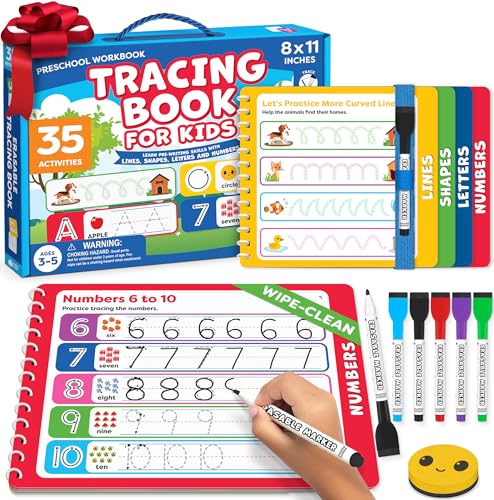
This tracing-based set emphasizes handwriting readiness. Included dry-erase markers and storage box encourage repeated practice without waste, promoting fine motor skills and pencil grip development. The activities blend letter tracing with shapes, lines, and numbers to prepare children for writing in preschool and kindergarten. It offers a practical, device-free approach that complements reading-focused books with hands-on learning.
Buying Guide: Key Purchase Considerations
- Reading stage and goals: Distinguish between phonics-heavy readers, early readers, and read-aloud favorites. Choose based on your child’s current skills and future targets.
- Engagement and format: Interactive, audio-supported formats can boost attention for some children, while others prefer traditional print with simple sentences. Consider a mix to balance listening and decoding practice.
- Skill balance: Look for books that blend alphabet recognition, short vowels, sight words, and decodable sentences. A progression from easy to slightly challenging helps build confidence.
- Durability and reuse: Reusable materials like dry-erase tracing books offer long-term value for handwriting practice and ongoing skill building.
- Parental involvement: Some sets are designed for guided reading; others empower independent practice. Assess how much parent time you want to dedicate during daily reading sessions.
- Size and portability: Compact boxed sets are easy to transport for travel or school, while larger kits may be better for home use and daily routines.
- Safety and materials: Ensure products use non-toxic inks or materials and are suitable for preschool-age children, particularly when markers are involved.
- Learning variety: A diverse mix of storytelling and phonics-focused activities can prevent fatigue and sustain motivation over weeks and months.
In selecting the best resources for a four-year-old, consider a balanced approach that blends phonics instruction with engaging stories. The options above offer a spectrum—from interactive readers to traditional story collections and hands-on tracing activities—designed to support early literacy development in American households and classrooms.