Choosing the right books for toddlers supports early language, number sense, and interactive play. The following selections offer engaging prompts, familiar themes, and sturdy pages designed for little hands. Each title below is linked to Amazon for quick access, with a quick glance at the features to help you decide what fits your child’s learning pace.
| Product | Brand | Key Features |
|---|---|---|
| LeapFrog Learning Friends 100 Words Book, Green | LeapFrog | 100+ words; touch to hear words and sounds; light-up star button for sound effects and a theme song |
| Around the Farm 30-Button Animal Sound Book | PI Kids | 30 animal sounds; press to hear names and sounds; great for first word recognition |
| 123 Count with Me: An Interactive Numbers Book | Tiger Tales | Interactive tracing and flaps; number concepts in a playful format |
| Toddler Busy Board Montessori Style | Winblo | 5 pages and 7 themes; 26 activities; life skills, letters, numbers, and more |
LeapFrog Learning Friends 100 Words Book
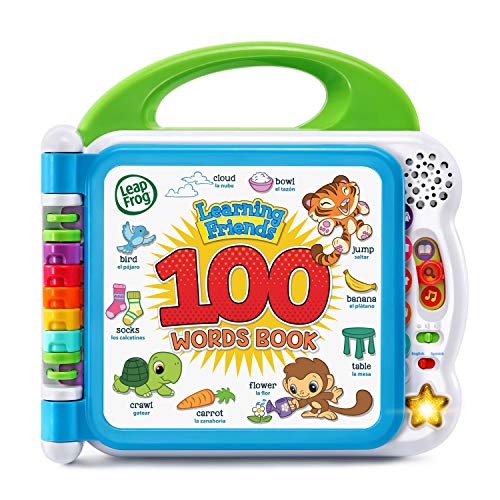
LeapFrog’s Learning Friends 100 Words Book introduces more than 100 age-appropriate words curated by learning experts. Word categories include pets, animals, food, mealtime, colors, activities, opposites, and outdoor themes. The touch pages play the words, sound effects, and fun facts, while the light-up star button triggers the Learning Friends theme song and a word-by-word highlight. Designed for toddlers to explore language at a gentle pace, this book blends interactive audio with familiar animal friends to boost vocabulary and listening skills.
World of Eric Carle, Around the Farm 30-Button Animal Sound Book
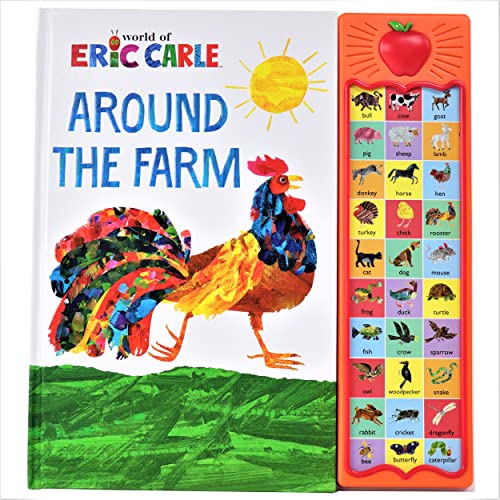
This PI Kids edition features 30 animal-sound buttons that teach animal names and corresponding sounds, making it ideal for first word recognition. The farm theme provides a contextual setting that helps toddlers connect words with real-world objects. It is oriented toward children ages 3 and older, but many 2-year-olds enjoy pressing the buttons to hear sounds and imitate animal noises, supporting auditory discrimination and vocabulary growth.
123 Count With Me: An Interactive Numbers Book

This interactive numbers book by Tiger Tales provides tracing tracks and flip-flaps that invite hands-on counting practice. While listed as used in good condition, the format supports early numeracy through tactile engagement, enabling toddlers to associate symbols with quantities. It’s a practical pick for households building number familiarity in a playful context.
Winblo Toddler Busy Board

The Winblo Busy Board adopts Montessori-inspired activities to develop fine motor skills and problem-solving. With five pages and seven themes, including life skills, letters, numbers, weather, and colors, it offers a broad skill set in a compact, portable format. The soft felt construction minimizes sharp edges, making it a safe option for travel and quiet, educational play. Parents can use it to guide self-directed exploration or collaborative learning with a caregiver.
Buying Guide: Key Purchase Considerations For Toddler Learning Books
Learning books for two-year-olds should balance engagement with development. Consider content that aligns with early language and numeracy milestones, interactive elements, and durability. Here are essential factors to compare:
- Interactive features: Look for sound buttons, touch-and-feel pages, tracing tracks, or flaps that promote fine motor skills and active participation without overwhelming the child.
- Age suitability: Two-year-olds vary in readiness. Choose books labeled for early learners and capable of growing with your child as language expands.
- Durability: Board or heavy paper pages withstand mouthing and rough handling. Durable bindings and reinforced corners extend the product’s life.
- Learning focus: Decide whether you want vocabulary expansion, number concepts, or practical life skills. A mix of themes offers a well-rounded early literacy foundation.
- Visual design: Bright colors, clear images, and simple text support recognition and engagement. Avoid overly complex illustrations for this age group.
- Parental involvement: Books with prompts or questions encourage shared reading, which boosts language development and bonding.
When evaluating these options, consider your child’s interests (animals, numbers, daily routines) and your home environment. A balanced collection that includes both audio-enabled books and tactile activities can provide variety across reading sessions and playtimes. Always supervise early reads to ensure safety and maximize learning.