Discover top learning books that help kids build literacy, handwriting, and cognitive skills without screens. This handpicked selection focuses on age-appropriate activities, fine motor practice, and early reading strategies to support homeschooling, classroom use, and independent play. Each title below includes a quick overview of features and why it’s a strong fit for developing learners.
Summary of chosen products
| Product | Brand | Notes |
|---|---|---|
| Preschool Learning Activities | Momo & Nashi | Tracing, dry-erase practice, fine motor skills |
| Magic Grooved Writing Practice | Momo & Nashi | Grooved traces, magic pens, reusable pages |
| Bob Books – Beginning Readers Box Set | Scholastic | Phonics-based starter readers |
| Freebear Montessori Busy Book | Freebear | Hands-on body anatomy and cognition |
| First Grade Reading Lot | Scholastic | Extensive early reading collection |
Preschool Learning Activities – Tracing and More
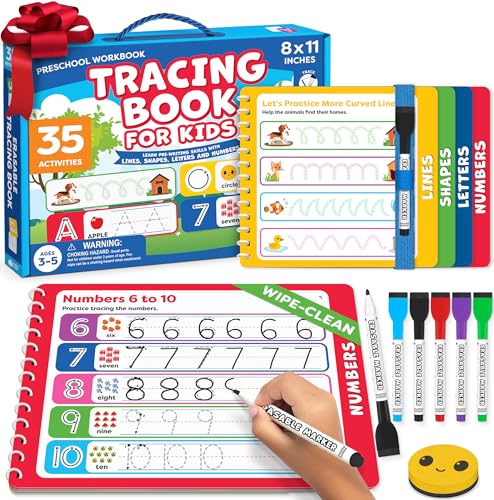
This all-in-one tracing workbook targets children ages 3 to 5, combining handwriting practice with engaging activities. The kit includes six colorful markers, a smiley eraser, a pen holder, and a sturdy storage box, enabling independent, device-free play at home or school. The materials support fine motor development, stroke recognition, color sorting, memory, and coordination, building a foundation for writing. Dry-erase capabilities add repeat usage without extra tools, making it suitable for homeschool environments, daycares, or Montessori settings. It also emphasizes attention span growth through repetitive, structured tasks.
Magic Grooved Writing Practice for Kids

Grooved handwriting practice offers a screen-free path to writing readiness. The five-book set includes two magic pens, disappearing ink refills, soft pencil grips, and a sticker sheet, providing interactive, multisensory learning. Activities cover letter tracing, early math, and word recognition, enhancing fine motor skills and coordination. The spiral binding supports easy page turning, making it suitable for home use, classrooms, or travel. This resource is particularly beneficial for learners who prefer tactile activities and may require a calm, focused practice routine.
Bob Books – Set 1: Beginning Readers Box Set

Scholastic’s Bob Books Set 1 introduces early readers with clear, approachable phonics. The kit emphasizes sound-letter correspondence and simple, decodable text to build confidence as new readers. Each book is designed for easy handling by young learners, with sturdy packaging and straightforward, age-appropriate content. Suitable for guided reading, independent practice, or small-group literacy routines, this set supports foundational reading skills for children aged four and up.
Freebear Montessori Busy Book: Human Body
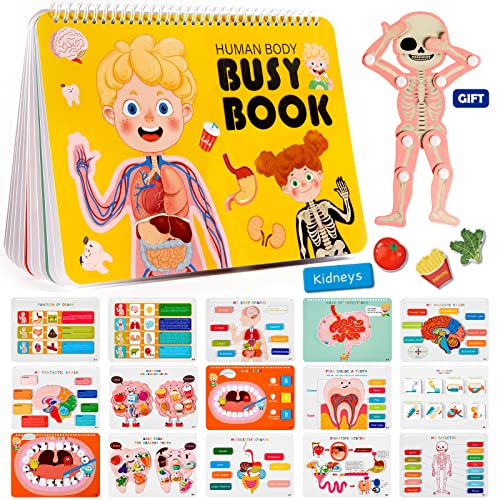
This Montessori-inspired busy book blends hands-on body anatomy exploration with early numeracy and color-letter activities. The 15-page, five-theme book includes a skeletal toy to extend learning through play. It aims to deepen a child’s understanding of the human body, promote cognitive development, and encourage interactive homeschool or classroom sessions. The emphasis on cognition and communication skills supports an explorative mindset and can be beneficial for children with varied sensory needs.
First Grade Learn to Read Books Lot
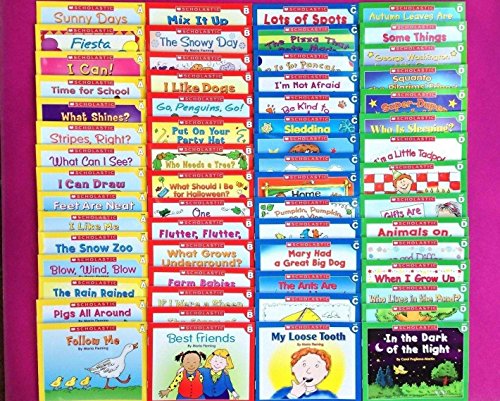
This Scholastic collection features 60 stapled reader booklets across levels A to D, designed by reading specialists to capture early readers’ attention. Each eight-page booklet uses simple, black-and-white text to promote fluency and decoding skills. The breadth of titles supports varied interests, helping children build a broad foundation in reading and strategy use. The set is well-suited for classroom libraries, homeschooling curricula, and literacy-rich early elementary programs.
Buying Guide: Key Considerations For Choosing Learning Books
When selecting learning books for kids, consider these factors to align with developmental stages and educational goals.
- Age and skill alignment: Choose materials that fit current abilities while offering scalable challenges to avoid boredom or frustration.
- Engagement and format: Mix handwriting, phonics, and hands-on activities to support diverse learning styles (visual, tactile, auditory).
- Durability and reuse: Dry-erase or reusable pages extend the life of activity books, reducing waste and cost per use.
- Screen-free appeal: Prioritize materials that encourage independent exploration and parent-guided instruction without digital devices.
- Inclusivity and accessibility: Look for clear instructions, adjustable difficulty, and resources that accommodate learners with different needs, including fine motor challenges.
- Progression and scope: Ensure a logical sequence from foundational skills to more advanced tasks, with visible progress markers.
- Supplemental tools: Check whether the product provides extra items (pens, grips, templates) or if you’ll need separate purchases to maximize use.
- Teacher and parent support: Some sets include activity ideas, guides, or reading strategies to help structure lessons.
- Brand credibility and reviews: Favor reputable brands with positive feedback and clear descriptions of contents and age ranges.
Comparison at a glance across the five picks emphasizes handwriting development, early reading, and hands-on learning. For a balanced home or classroom plan, consider combining a tracing and handwriting resource with a decodable readers set and a tactile, activity-driven book to nurture both literacy and cognitive growth without screens.