Finding effective learning aids for dyslexia involves selecting tools that support decoding, phonemic awareness, and reading fluency. The following handpicked products offer a mix of reading aid devices, phoneme supports, and interactive activities designed for children and learners of all ages. This guide highlights practical options that schools, families, and tutors can use to build confidence and independence in reading and communication.
| Product | Brand | Key Benefit | Amazon Link |
|---|---|---|---|
| Translator Pen & Scan Reader | Funnywhale | Two-way translation and text-to-speech for 13 languages, supports 112 online translations | Product Link |
| Bjorem Speech Cue Cards | Bjorem Speech | Comprehensive phonetic cue cards with illustrations for early literacy | Product Link |
| Hotutor Dyslexia Reading Tools | HOTUTOR | Adjustable window aids to focus on one word at a time | Product Link |
| Phoneme Phone | hand2mind | Amplified voice feedback to build phonemic awareness | Product Link |
| Let’s Spell S’mores | Learning Resources | Hands-on phonics and word-building activity for young learners | Product Link |
Translator Pen & Scan Reader For Dyslexia And Language Learning

The Translator Pen combines text-to-speech and translation in multiple languages. Its OCR technology scans words or sentences and converts them to audio, supporting independent reading. It also provides real-time two-way translation, helping with understanding and language practice. The device is useful for dyslexic learners who benefit from auditory input and immediate translation feedback, while enabling quick reference during reading or study tasks.
Key features
- Text to Speech Reader Pen with 98% accuracy
- OCR scanning and translation in 13 languages; 112 online translations
- Two-way voice translation with adjustable output speed
Bjorem Speech Cue Cards

These cue cards provide a visually rich, developmentally appropriate method for teaching phonetics and speech sounds. The set includes multiple consonants and vowels, with colorful illustrations and back-side cue tips. The cards support reading and pronunciation practice, making them suitable for early learners and children with language-based learning differences who benefit from visual supports and structured cues.
Key features
- Includes 28 consonants and 17 vowels with short/long vowel group cards
- Colorful illustrations with descriptive backs
- Age-appropriate for children 18 months and up
Hotutor Dyslexia Reading Tools

Hotutor’s reading tools focus on word-level processing. The adjustable reading window lets readers zoom in on one word at a time, reducing crowding and aiding tracking. By narrowing focus, learners can improve word recognition and reduce visual stress. Teachers and parents can use these aids to scaffold decoding and reading fluency across different texts and lengths.
Key features
- Teacher-designed with adjustable window size
- Helps reduce word jumping and omissions
- Suitable for language learning and phonics practice
Phoneme Phone
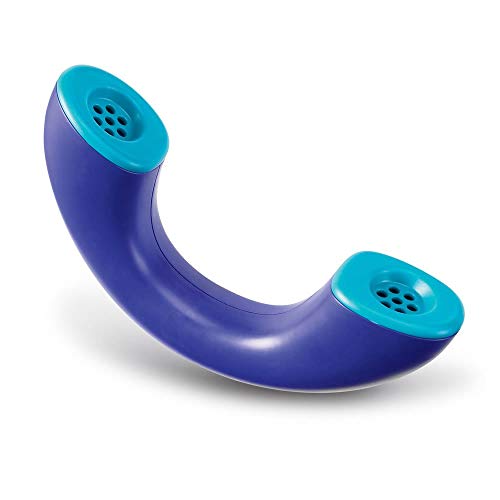
The Phoneme Phone is a multisensory tool for developing phonemic awareness. Learners speak into the device and hear an amplified version of their voice, which reinforces speech sounds and helps with sound-to-print connections. It supports ESL learning and literacy activities by emphasizing listening and pronunciation alongside reading tasks.
Key features
- Amplified feedback supports listening and speech development
- Induces a multisensory learning experience
- Supports phonemic awareness and reading-to-speech activities
Let’s Spell S’mores

This hands-on activity blends reading, spelling, and phonics through a playful word-building game. Learners build three-letter words by stacking graham crackers and chocolate, reinforcing letter-sound relationships. The activity-oriented format supports collaborative learning and provides a concrete way to practice early literacy skills in a fun context.
Key features
- Hands-on phonics and word-building
- Multiple learning levels for varied ages
- Engaging, kinesthetic approach to reading readiness
Buying Guide: Key Purchase Considerations
When selecting dyslexia learning aids, consider how each tool aligns with the learner’s needs and setting. The following perspectives help balance practicality, accessibility, and evidence-based benefits.
- Purpose and scope: If the goal is bilingual support and translation, tools like the Translator Pen provide immediate cross-language feedback. For phonemic practice, cue cards, phoneme phones, and word-building games offer structured, repetitive practice.
- multisensory engagement: Devices that combine auditory input, visual cues, and hands-on activities tend to support retention and decoding skills more effectively for many learners with dyslexia.
- Age and development stage: Younger learners benefit from colorful visuals and simple cues, while older students may require more advanced phonics and reading fluency activities. Look for age-appropriate materials and clear progression.
- Durability and classroom suitability: Consider portable tools for home and classroom use, plus options that can be shared among students. Reusability and ease of cleaning are practical considerations for younger learners.
- Assessment-friendly features: Some tools support progress tracking, reading aloud, and pronunciation checks, helping caregivers and educators monitor growth over time.
- Accessibility and ease of use: Devices with intuitive interfaces, adjustable settings (like font size, window width, or playback speed), and minimal setup can reduce barriers to consistent use.
- Cost and value: Evaluate the long-term usefulness of each tool, considering replacement parts, batteries, and durability. A combination of inexpensive supports can often complement pricier devices.
- Evidence and pedagogy: Pair tools with explicit instruction in phonemic awareness, decoding, and fluency. Use them as complements to structured reading programs and one-on-one tutoring where possible.