Finding the right weight loss journal can help you log meals, monitor progress, and sustain healthy habits. The following selections focus on daily food tracking, goal setting, and habit development to support a practical weight loss journey for American readers. Each entry highlights how the journal supports calorie awareness, activity logging, and mindful planning.
| Product | Brand | Key Benefit |
|---|---|---|
| Food Journal | URSUNSHINE | 6-month undated planner with calories, sleep, water, and activity tracking |
| 12 Month Weight Loss Journal | Templatables | Multi-pounds trackers and monthly milestones |
| Legend Wellness Planner | Legend Planner | Smart, personalized wellness goals and detailed monthly agendas |
| Ceiba Tree Food Fitness Journal | Ceiba Tree | Compact diet and exercise tracking over 61 days |
| The Nutrition Sidekick Journal | Habit Nest | Meal planner with macronutrient tracking guidance |
Food Journal For Weight Loss (URSUNSHINE)

The URSUNSHINE Food Journal is designed to support healthy eating and goal achievement. It offers an undated six-month meal planner that records daily calories, water intake, sleep, weight, body fat, and activity. The journal emphasizes motivation, habit improvement, and breaking unhealthy patterns, helping users focus on sustainable changes rather than quick fixes.
12 Month Weight Loss Journal (Templatables)

This 12-month weight loss journal tracks progress with multiple milestone options (10, 20, 30, 50, or 100 pounds lost) and monthly trackers. Its layout supports long-term trends, helping users observe patterns in weight, inches, and goals over a full year.
Legend Wellness Planner & Food Journal
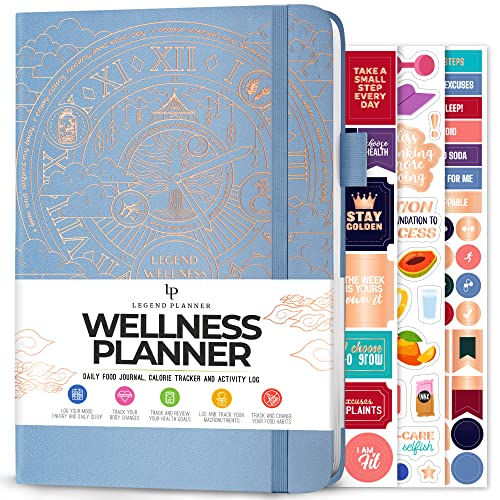
The Legend Wellness Planner combines diet planning with wellness tracking over six months. It prompts users to set body goals, plan meals, log activity, and record weight and body measurements. The structured monthly agendas and daily pages aim to create consistent routines that align with individual wellness objectives.
Ceiba Tree Food Fitness Journal

The Ceiba Tree Journal blends food and fitness tracking in a compact format. With a 6.1″ x 8.5″ size and 132 pages, it supports daily entries for meals and workouts, making it simple to stay consistent over 61 days. The hardcover and spiral binding facilitate easy note-taking in daily routines.
The Nutrition Sidekick Journal

The Nutrition Sidekick Journal emphasizes a research-based approach to meal planning. It provides actionable daily content and strategies, with a focus on calculating macronutrient ratios. This makes it a practical choice for those seeking a structured framework for weight loss through balanced nutrition.
Buying Guide
- Undated vs. dated formats: Undated planners offer flexibility for those with irregular schedules, while dated books help users build a routine anchored to the calendar. Choose based on how steady you want your planning to feel.
- Tracking scope: If you want a comprehensive view, look for journals that log calories, water, sleep, weight, body measurements, and activity. Some provide macro guidance, while others focus on holistic wellness and habit formation.
- Size and durability: Larger formats may provide more space for notes, but smaller, portable journals are easier to carry during the day. Consider binding (spiral vs. hardcover) for durability and writing ease.
- Goal-setting structure: Journals with monthly milestones, daily planning pages, and prompts can drive consistency. Others emphasize a more flexible, habit-based approach—choose what fits your motivation style.
- Macronutrient support: If you track protein, fats, and carbs, select a journal that includes macro calculation guidance or dedicated sections to simplify this task.
- Progress visualization: Look for graphs or trackers for weight, measurements, and activity. Visual cues can reinforce adherence and reveal patterns over time.
- Maintenance of weight loss: Consider journals that incorporate reviews, reflection prompts, and adjustments to plans, which can help sustain long-term changes beyond initial losses.
- Allergies and dietary needs: Some journals allow you to tailor entries to specific diets (e.g., low carb, high protein, plant-based). Ensure the layout accommodates your needs.
- Price and value: Compare pages, features, and long-term use potential. A slightly higher upfront cost may yield better long-term adherence and results.