Interactive books for 2-year-olds are ideal for building early literacy, fine motor skills, and vocabulary through simple, hands-on activities. This guide highlights five carefully chosen options suited to toddlers who enjoy touch-and-talk play. Each pick targets different strengths—sound buttons, flip-and-trace pages, or busy picture books—so you can match a title to your child’s interests. Best for busy toddlers who love sensory feedback, these titles encourage independent exploration and shared reading moments with caregivers.
| Product | Why It’s A Fit | Best For |
|---|---|---|
| Don’t Push the Button!: A Funny Interactive Book For Kids | Simple, humorous prompts with a peek-at-the-funny payoff; great for eliciting giggles and turn-taking. | |
| 123 Count with Me: An Interactive Numbers Book | Trace-and-flip activities build early counting skills and hand-eye coordination. | |
| World of Eric Carle, Around the Farm 30-Button Animal Sound Book | Sound buttons reinforce animal names and sounds, promoting memory and listening skills. | |
| My First Library: Boxset of 10 Board Books | Colorful bite-sized board books foster a habit of daily reading with varied topics. | |
| Melissa & Doug Poke-a-Dot! Who’s in the Ocean? | 20 interactive buttons provide sensory feedback and early science themes. |
Don’t Push the Button!: A Funny Interactive Book For Kids

This title is best for toddlers who respond to humor and cause-and-effect surprises. The simple premise invites little readers to press a button and anticipate a playful response, making it a lively shared-reading experience. The format is forgiving for new readers, with clear, repetitive prompts that strengthen language patterns and social interaction. Consider this option if your child enjoys giggles, predictability, and quick feedback from interactions.
Best for: toddlers who love playful mischief and immediate responses. A notable limitation is that some pages rely on a single joke payoff, which may become repetitive over time for certain kids.
123 Count with Me: An Interactive Numbers Book With Tracks to Trace and Flaps to Flip!

This book targets early numeracy with trace-and-flip activities that guide finger movements and number recognition. It’s best for toddlers beginning to count and identify quantities, as well as those who enjoy hands-on page manipulation. Choose this if your child learns best through physical actions like tracing and flipping. A potential limitation is that advanced numerical concepts are not deeply developed at this stage.
World of Eric Carle, Around the Farm 30-Button Animal Sound Book
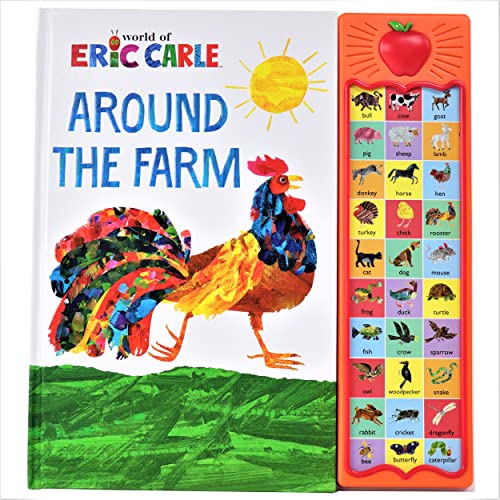
This interactive sounds book leverages 30 buttons to teach animal names and noises. It’s especially suited for toddlers who respond to auditory cues and memory games. The farm theme supports early vocabulary and topic-based conversation. Best for: kids who enjoy listening and repeating sounds. Better for families who can guide turn-taking between pages, since some sections can encourage rapid, repetitive tapping.
Limitation to note: Some users may prefer non-sound books in quiet reading environments, as button presses create audible feedback that might distract in calm settings.
My First Library: Boxset of 10 Board Books for Kids

This boxset offers a compact collection of board books with varied topics, ideal for daily reading routines and sensory-friendly exploration for two-year-olds. Each title is designed for durability and independent handling, supporting early literacy habits. Best for: caregivers seeking a broad, varied introduction to colors, shapes, and simple concepts. Limitation: the set’s overall reading experience can be uneven if a favorite topic is missing in a given batch.
Melissa & Doug Poke-a-Dot! Who’s in the Ocean?

This ocean-themed poke-a-dot book offers 20 built-in buttons that produce satisfying pops with each press. It’s best for sensory-rich reading and early storytelling, as children can count sea creatures, learn colors and shapes, and recognize letters while engaging with the tactile buttons. Choose this if your child benefits from a strong sensory cue to maintain attention. A potential drawback is that over-stimulation can occur for some toddlers during longer reading sessions.
Buying Guide: Key Purchase Considerations
What activities align with your child’s interests? Some toddlers prefer sounds and humor, while others enjoy tracing, flipping, or counting. Matching the book’s primary interaction to your child’s preference supports engagement and learning.
Are durability and size appropriate for small hands? Board books and chunky buttons are typically better for two-year-olds who are still developing fine motor control.
How does the pacing of activities fit your reading routine? Books with quick feedback (sounds, pops) can sustain attention in short sessions, while longer activities may suit longer reading time with parent involvement.
What is the best balance of independence and caregiver support? Select titles that allow solo exploration but also invite shared reading moments to build vocabulary and narrative skills.
Practical How-To Tips
- Alternate between different types of interaction to keep your child engaged—sounds, flips, and tracing benefits varied development areas.
- Use a consistent reading routine, such as a 10-minute daily session, to reinforce skills without overwhelming your child.
- Encourage naming and describing what happens on each page to build language networks and memory.
- Keep a small library of 3–5 favorite titles at hand to rotate between sessions for sustained interest.
FAQ
- Q: Are interactive books suitable for all two-year-olds? A: Yes, but suitability depends on the child’s interest in hands-on activities and the caregiver’s ability to guide the experience.
- Q: Do these books help with early literacy? A: They support vocabulary, listening, and print-awareness through interactive prompts and repeat exposure.
- Q: Should I limit screen time by using interactive books? A: Interactive books complement screen time with tactile, real-world engagement and social reading moments.
- Q: How many pages or buttons are ideal? A: More is not always better; choose titles with a clear, consistent pattern conducive to short, focused sessions.
- Q: When should I move to more advanced activities? A: As your child masters current interactions, introduce slightly more complex prompts or new topics gradually.