For Python developers exploring JavaScript, practical, hands-on resources can help bridge concepts fast. This article highlights five Amazon products that blend core JavaScript knowledge with real-world application. Each pick focuses on practical examples, clear explanations, and beginner-to-intermediate usefulness to support a smooth transition from Python to JavaScript.
Below is a quick summary table of the chosen products, including the focus areas and practical benefits you can expect. This guide emphasizes materials that pair code examples with hands-on exercises or visual aids to reinforce learning by doing.
| Product | Brand | Focus | Practical Benefit |
|---|---|---|---|
| Getting Started with BeagleBone: Linux-Powered Electronic Projects With Python and JavaScript | MAKER MEDIA INC | Intro to JS with hardware projects | Hands-on electronics projects to see JavaScript in action on Linux systems |
| Javascript Flashcards – 130-Cards | Developer Decks | JavaScript concepts and syntax | Structured review with real-world code examples |
| Javascript Software Developer Frontend Engineer T-Shirt | Front-end Computer Programmer Coder Kit | Frontend skills constellation | Reference design language for JS professionals |
| React JavaScript JS, Frontend Software Engineer Programmer T-Shirt | Developer Tees | React and frontend engineering | Concise branding and skill focus for React development |
| Vue.js JavaScript JS Frontend Software Engineer Programmer T-Shirt | Developer Tees | Vue.js and frontend engineering | Vue-focused coding identity and frontend concepts |
Getting Started with BeagleBone: Linux-Powered Projects With Python and JavaScript

The book introduces BeagleBone hardware projects that pair Python and JavaScript. It covers Linux basics, toolchains, and practical examples that illustrate how JavaScript can drive hardware interactions. The material is suitable for readers who prefer hands-on experimentation and concrete projects to reinforce JavaScript concepts in a hardware context.
Javascript Flashcards – 130-Cards
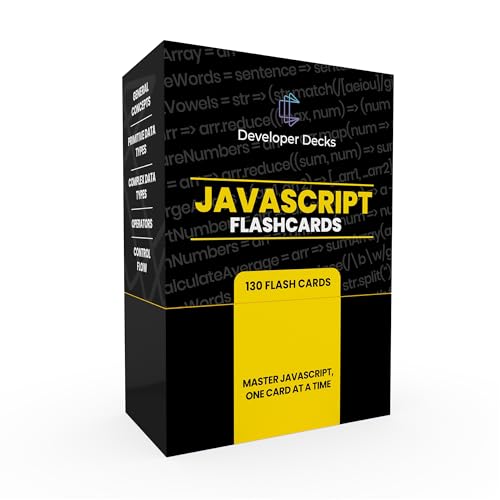
These 130 flashcards cover essential JavaScript concepts and syntax across 11 sections. They’re designed for both beginners and seasoned coders seeking structured review. Each card provides real-world code snippets and concise summaries to help learners reinforce memory and apply techniques in practice sessions.
Javascript Software Developer Frontend Engineer T-Shirt

This apparel item underscores frontend JavaScript skills and tools commonly used by developers. While primarily a design piece, it reflects a focus on essential JS, HTML, JSON, and frontend ecosystems like React, Vue, and Angular. The product can serve as a light, motivational reminder of the frontend toolkit, useful for Python developers exploring JS contexts.
React JavaScript JS Frontend Software Engineer Programmer T-Shirt

The shirt centers on ReactJS and frontend roles, highlighting terminology associated with modern JavaScript development. For Python developers transitioning to JS, this item signals the language ecosystems and roles involved in frontend engineering, while serving as a light, thematic carol to maintain focus during study sessions.
Vue.js JavaScript JS Frontend Software Engineer Programmer T-Shirt

Focusing on Vue.js and frontend development, this tee reflects essential Vue terminology and frontend design concepts. It serves as a cultural reference piece for developers who aim to depth-build in JavaScript ecosystems, including Vue’s approach to components, reactivity, and tooling, complementing the Python-to-JS learning journey with frontend context.
Buying Guide: Key Purchase Considerations
- Learning approach alignment: Choose resources that balance theory with hands-on exercises or real-world examples. For Python developers, materials that tie JavaScript concepts to practical projects can reduce cognitive load and accelerate transfer of knowledge.
- Scope and difficulty: For a practical starting point, prefer resources that introduce core syntax, DOM manipulation, and common patterns (callbacks, promises, async/await) before diving into framework-specific topics.
- Format and accessibility: Flashcards or concise code snippets can support spaced repetition and quick recall, while books offer deeper context and structured progression. Visual aids like diagrams and example-driven projects improve retention.
- Hardware and environment relevance: If hardware or Linux environments interest you, titles that pair JS with devices (as BeagleBone) can provide tangible motivation and real-world context beyond browser-based code.
- Brand and community support: Reputable publishers and brands can indicate quality and supplementary resources, such as code repositories, tutorials, or discussion forums that complement the primary material.
Additional Considerations for Python Developers
- Syntax and paradigm differences: JavaScript’s asynchronous patterns and event-driven model contrast with Python’s synchronous execution. Resources that clearly illustrate async workflows are valuable for bridging this gap.
- Tooling and environments: Familiarize yourself with Node.js, package managers (npm/yarn), and browser developer tools. Practical projects that demonstrate end-to-end workflows help solidify understanding.
- Project-oriented practice: Start with small, repeatable projects (DOM interactions, fetch requests, and simple state management) to apply concepts before tackling larger frontend frameworks.
- Cross-language mental models: Map Python concepts (functions, modules, objects) to their JS equivalents (functions, modules, prototypes/classes) to maintain a coherent learning path.