If you’re seeking a structured, evidence-based way to support mood, reduce rumination, and track emotional patterns, guided journals can be a practical tool. This guide focuses on journals designed to help with anxiety, depression, and stress through cognitive-behavioral prompts, mood tracking, and mindfulness exercises. Best for anyone who wants daily guidance, accountability, and a private space to process thoughts—from beginners to those already using journaling as part of therapy.
Summary table of selected products:
| Product | Best For | Why It Stands Out |
|---|---|---|
| Worry for Nothing: Guided Anxiety Journal | Beginners to intermediate users seeking CBT-based prompts | Discreet design; research-backed prompts; anxiety-focused exercises |
| Mental Health Journal for Anxiety, Stress & Depression | Daily mood and trigger tracking | 84-day guided prompts; pattern recognition |
| Finding Balance Mental Health Journal | 6-month commitment with structured prompts | Includes audio meditation; long-term tracking |
| The Five Minute Journal | Daily gratitude and quick reflection | Undated and simple entry flow; scalable to mood changes |
| Selection for mindfulness and self-care | Mindfulness-focused routines | Prompts support daily awareness and self-care habits |
Worry For Nothing: Guided Anxiety Journal

Best for: Beginners who want CBT-based prompts without a clinical background. This journal helps users identify triggers, monitor emotional and physical sensations, and evaluate automatic thoughts against evidence, leading to more constructive thinking. The approach mirrors cognitive behavioral therapy exercises, making it a practical entry point for daily reflection.
Why selected: It combines research-backed prompts with a discreet, aesthetic design, suitable for bedside or office use. The journal’s focus on recognizing and reframing worry aligns well with common depressive and anxious thought cycles.
Caution: If you require extensive daily mood mapping, you may pair this with a separate mood-tracking app for broader data.
Mental Health Journal for Anxiety, Stress & Depression
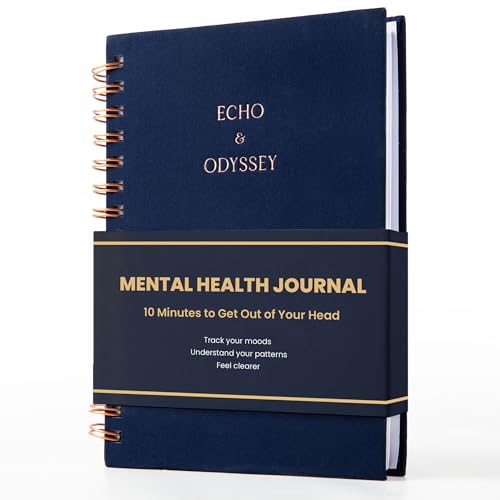
Best for: Individuals who want a structured 84-day program with mood and trigger tracking. The prompts support pattern recognition, helping users identify how thoughts evolve and influence behavior over time.
Why selected: The combination of daily prompts and trigger mapping enables clearer emotional understanding, which is helpful for both depression and anxiety management. This journal is designed as a practical companion for therapy-supportive routines.
Caution: The program’s pace may feel intense for someone new to daily journaling. Start with shorter sessions if needed.
Finding Balance Mental Health Journal

Best for: Readers committed to a longer, six-month journaling cycle with a focus on mindfulness and self-care. The included QR code for a guided audio meditation adds a practical relaxation tool.
Why selected: Its extended format supports gradual habit formation, enabling users to observe longer-term mood trends and coping strategies. The prompts are designed to guide day-by-day and week-by-week reflection.
Caution: Some users may prefer a shorter commitment; consider starting with a three-month plan if available.
The Five Minute Journal

Best for: Individuals who want a concise, daily practice that cultivates gratitude and mindful awareness. The undated format allows flexible start times and quick daily entries.
Why selected: Short daily prompts can reduce overwhelm and still build consistent reflection, making it better for people who fear long writing sessions yet want positive momentum.
Caution: It emphasizes gratitude and reflection more than explicit depression therapy content; pair with other tools for mood-focused tracking if needed.
Additional Mindfulness and Self-Care Focus
Best for: Readers seeking a broader mindfulness and self-care approach to complement mood tracking. This option supports ongoing self-awareness and daily wellness routines.
Why selected: It provides a complementary path to structured CBT prompts, helping users integrate mindfulness into daily life. Consider for those who value holistic coping strategies.
Caution: May require additional prompts or prompts customization to target specific depressive symptoms.
Buying Guide: How To Choose The Right Guided Journal
- Purpose alignment: If your goal is cognitive-behavioral conditioning and evidence-based strategies, prioritize journals with CBT prompts and structured thought records. If you want gratitude and mindfulness, look for prompts centered on positive reflection.
- Duration and commitment: Short-term programs (30–84 days) work well for new journaling routines, while six-month formats support deeper mood trend analysis.
- Format and readability: Undated formats offer flexibility; daily prompts should be clear and non-overwhelming to sustain consistency.
- Discretion and design: A discreet cover and compact size can help with privacy if you share your space with others or keep the journal on display.
- Supplementary tools: Some journals include audio meditations or QR codes. These can enhance engagement but aren’t essential to effectiveness.
- Who it’s for: Beginners may benefit from guided prompts and simple layouts, whereas advanced users may prefer more comprehensive mood-tracking and longer reflections.
Practical Tips For Getting The Most From Your Journal
- Set a regular daily time to write, even if it’s five minutes.
- Be honest in your entries; avoid censoring thoughts to gain better insight.
- Review past weeks to identify recurring triggers and adjust coping strategies.
- Pair journaling with other coping techniques (breathing, exercise, sleep hygiene) for a holistic approach.
FAQ
- Are guided journals effective for depression? They can help by providing structure, improving self-awareness, and supporting coping strategies when used consistently.
- What should I look for in a depression-focused journal? Look for CBT-based prompts, mood and trigger tracking, and a clear path to evidence-based reasoning.
- How long does it take to see benefits? Benefits vary; many users notice improvements in mood regulation and clarity after several weeks of regular use.
- Can I use these journals with therapy? Yes. They can complement therapy by reinforcing techniques outside sessions.
- Is an undated format better? Undated formats offer flexibility, which can help maintain consistency when life is unpredictable.
- What if I miss days? Return to the journal when you can; the structure supports restarting without penalty and can still reveal patterns over time.