Whether you’re building foundational vocabulary, reinforcing sight words, or introducing bilingual concepts, the right flashcards can boost engagement and retention. This guide highlights five top options designed for classrooms, homeschooling, and therapy settings. Each entry includes a concise overview based on features, durability, and versatility to help educators compare at a glance.
| Product | Brand | Key Benefit |
|---|---|---|
| Everyday Words English/Spanish Flash Cards | Teacher Created Resources | Bilingual vocabulary with pronunciation support |
| 299 Vocabulary Builder Flash Cards | CreateFun | Multi-subject набор with emotions, opposites, and more |
| Flash Cards: Numbers 0 – 100 | Scholastic | Numeracy foundation with durable cardstock |
| Bilingual Talking Flash Cards | Airbition | Spanish/English with audio playback |
| Spanish Vocabulary Flash Cards | Briston | 600 bilingual cards across 28 categories |
This selection emphasizes bilingual opportunities, core vocabulary, math readiness, and interactive engagement. Each product is designed to support diverse learners, from early readers to ESL students, while offering durable, classroom-friendly options.
Everyday Words English/Spanish Flash Cards

These bilingual flash cards are designed to reinforce everyday English and Spanish vocabulary. They support correct pronunciation guidance and are suitable for individual study, group activities, or whole-class lessons. The set includes teacher tips, suggested activities, and blank cards for personalization. An accessible storage design keeps cards organized with a hole at the corner for rings or strings, aiding portability and classroom organization.
299 Vocabulary Builder Flash Cards
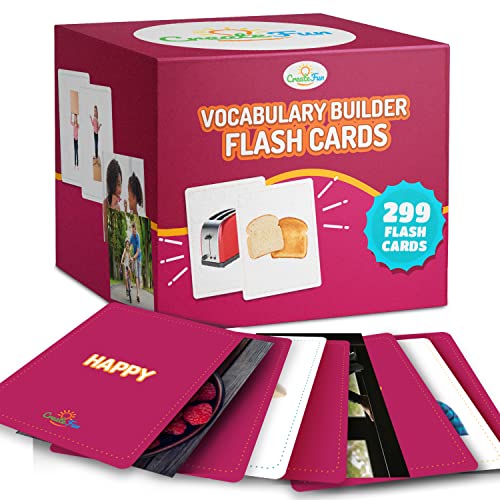
This versatile set covers six subjects and targets learners from early education through teens and adults. It includes matching cards for opposites and Go Togethers, making it ideal for classrooms, homeschooling, and therapy contexts. Cards are designed by teachers and parents to support a modern, accessible learning experience across varied language abilities.
Flash Cards: Numbers 0 – 100

These number flash cards provide a math-focused foundation for early learners. They are printed on heavy-duty cardstock and are plastic-coated for color-fastness and durability, ensuring repeated classroom use. The double-sided format helps maximize study time and reduce clutter, supporting quick number recognition and basic arithmetic practice.
Bilingual Talking Flash Cards

This dual-language tool supports simultaneous English and Spanish learning, with a clear American-accent voice for language development. It covers numbers, shapes, colors, animals, and more, designed to build cognitive skills while fostering bilingual awareness. The device offers language-mode switching and aims to boost engagement through interactive playback and auditory reinforcement.
Spanish Vocabulary Flash Cards

With 600 bilingual cards across 28 categories, this set targets broad vocabulary development for kids, teens, and adults. It emphasizes bold text, a color-coded design, and durable construction for daily use in classrooms, homeschooling, or travel. It’s ideal for visual learners and supports structured study across thematic categories like foods, everyday objects, and actions.
Buying Guide
Key considerations when choosing flashcards for teaching English and bilingual learning include:
- Language focus: Decide whether you need monolingual English support, bilingual English/Spanish, or a mixed array that includes numbers and a broader vocabulary set.
- Durability and format: Look for heavy cardstock, lamination, or plastic coating for long-term classroom use. Double-sided or color-coded cards can improve retention.
- Age range and skill level: Choose sets aligned to your learners’ age and proficiency, from kindergarten vocabulary to ESL/ELL advanced topics.
- Engagement features: Cards with images, pronunciation guides, and teacher activity suggestions can enhance classroom use and caregiver involvement.
- Storage and portability: Interchangeable rings or corner holes facilitate organization and quick transport between activities.
- Supplementary tools: Some sets offer audio features, example sentences, or ready-to-use activities, which can reduce prep time for teachers.
Comparing the five highlighted options shows a spectrum from bilingual daily-use vocabulary to focused numeracy and interactive talking cards. For classrooms prioritizing bilingual fluency, the Everyday Words and Bilingual Talking Flash Cards provide direct language connections and multi-sensory reinforcement. If numeracy is central, the Numbers 0-100 cards align with math readiness while still supporting language development. The 299 Vocabulary Builder set broadens topic coverage and classroom applicability, and the Briston Spanish Vocabulary set emphasizes extensive vocabulary across categories, useful for deep vocabulary study and travel preparation.