Introduction
Discover engaging, kid-friendly books that help preschool and kindergarten students recognize, describe, and manage their feelings. The following selections emphasize emotional literacy, empathy, and positive coping strategies using colorful illustrations, flip formats, and relatable characters. Each title supports classroom or home use, fostering a calm, social-emotional learning environment for early learners.
| Product | Brand | Key Benefit |
|---|---|---|
| Torlam Feelings and Emotions Book for Kids | Torlam | Varied moods and explicit positive actions for regulation |
| Maitys Feelings and Emotions Book | Maitys | Portable flip-book design with laminated, stand-up pages |
| The Day the Crayons Quit | Philomel Books | Humorous story about emotions behind art supplies |
| The Original Mood Flipbook for Kids | My Moods, My Choices | 20 moods with guided positive actions |
| hand2mind Feelings Family Core Emotions Book Set | hand2mind | Series approach for core emotions and family learning |
Torlam Feelings and Emotions Book for Kids

This flipbook helps children identify 20 different feelings, including happy, nervous, bored, and angry, with character-driven scenes and corresponding positive actions. The format supports quick mood checks and practice with emotional regulation in classroom or home settings. It also emphasizes observing expressions in others to build empathy and social awareness. The book is suitable for toddlers through kindergarteners and aligns with SEL goals by linking thoughts, feelings, and behaviors.
Maitys Feelings and Emotions Book

The Maitys flip book is designed for easy, on-the-go learning with laminated tabs and stand-up pages for display. Its compact size makes it ideal for calm-down corners, car rides, or desks while encouraging kids to identify moods and respond with positive actions. The teacher- and parent-friendly design supports emotional growth through engaging illustrations and practical guidance on expressing feelings constructively.
The Day the Crayons Quit
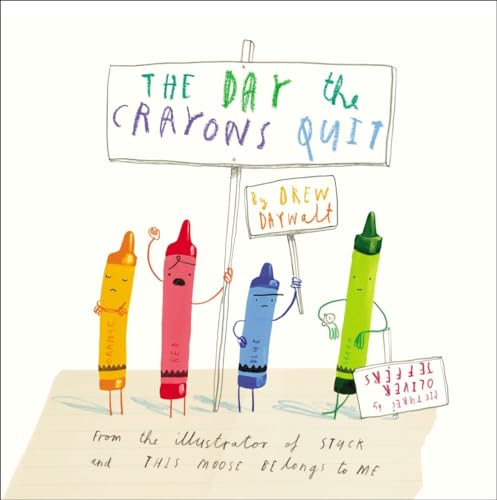
This humorous back-to-school tale uses crayons that quit coloring to explore feelings and communication. It offers a relatable vehicle for discussing emotions, conflict resolution, and problem-solving as children consider how to respond when others express their own feelings. The story supports language development and classroom conversation about emotions and creativity.
The Original Mood Flipbook for Kids
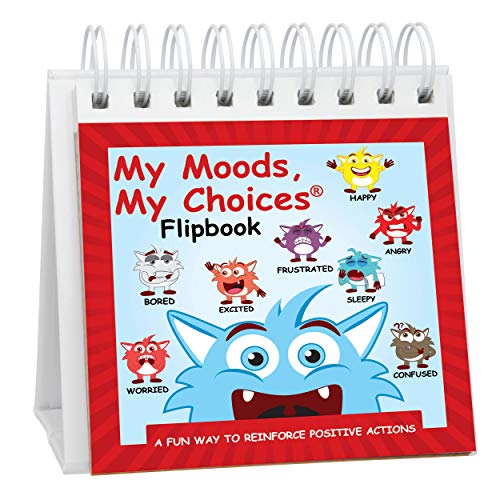
This updated mood flipbook includes 20 distinct moods with laminated pages and a built-in stand. Children can identify their feelings and follow suggested positive actions to regulate emotions. Large and travel sizes accommodate diverse use, from classroom groups to quiet time or car trips. The design supports visual learning and self-expression, helping kids connect feelings to actions.
hand2mind Feelings Family Core Emotions Book Set

This collection introduces core emotions through storytelling and family-focused activities. The five books explore Happy, Sad, Angry, Scared, and Surprised, using lively characters to illustrate how feelings show up in everyday life. It supports social-emotional learning by encouraging discussion, role-play, and shared strategies for emotional regulation in both home and classroom environments.
Buying Guide: Key Purchase Considerations
- Age-appropriate content: Look for clear, simple language and visuals that suit kindergarten readers and pre-readers who are developing literacy skills.
- Format and durability: Flip books, laminated pages, and sturdy bindings encourage repeated use in classroom centers and calm-down corners.
- Emotion range and specificity: A broader set of emotions helps children label subtle feelings, while guided actions support practical regulation strategies.
- Engagement and appeal: Colorful illustrations, relatable characters, and humorous elements can boost attention and retention without overwhelming young learners.
- Classroom integration: Consider how the book supports SEL goals, group activities, storytelling prompts, and parent-teacher collaboration.
- Portability and display: Compact formats or stand-up designs facilitate easy display on desks or shelves and enable quick mood checks during transitions.
- Inclusivity: Choose titles that reflect diverse experiences and emotions, helping all children see themselves in the stories.
- Supplemental activities: Activities that pair with the book—discussion questions, role-play scenarios, or emotion cards—enhance learning beyond reading time.
- Cost and longevity: Durable materials and multi-use formats offer better long-term value for classrooms or families with ongoing needs.
- Complementary titles: A mix of narrative stories and practical emotion tools provides both engagement and actionable guidance for kids.
When selecting books, balance entertaining stories with concrete strategies for emotion regulation. Pair readings with guided discussions, emotion charts, and classroom routines to help kindergarteners recognize feelings, express themselves, and navigate social interactions with confidence.