Find your family roots fast with consumer DNA tests that map ancestry across thousands of regions, connect you with relatives, and offer trait insights. This guide highlights five top options well-suited for American genealogists, including when each is best for certain types of researchers. Use the table below to compare core capabilities at a glance.
| Product | Best For | Notable Benefit |
|---|---|---|
| AncestryDNA | Most comprehensive family matching | 3,600+ regions, strong relative finder |
| AncestryDNA + Traits | Traits plus ancestry | 75+ trait reports |
| 23andMe Ancestry Service | Detailed geographic breakdown | 4,500+ regions, Neanderthal ancestry |
| FamilyTreeDNA Family Finder | Deep genealogical tools | Chromosome Painter and ancient origins |
| AncestryDNA + World Explorer Membership | DNA plus historical records access | 3-month World Explorer membership |
AncestryDNA — Original Ethnicity And Relatives Test

Product: AncestryDNA
Key features: TOP-SELLING CONSUMER DNA TEST offering origins in 3,600+ places and connections to living relatives. Data control is emphasized, allowing you to decide what to share. Activation is simple and results appear online in about six weeks.
Best for: Casual to intermediate genealogists who want broad regional insights and robust relative matching with a straightforward process.
Limitations: Family-history features are strongest when paired with Ancestry’s records database; results can be most valuable when you also actively build a family tree within the platform.
AncestryDNA + Traits Genetic Test Kit

Product: AncestryDNA
Key features: TOP-SELLING DNA test with 3,600+ global origins and connections to relatives. Includes DNA + Traits—75+ genetic traits to explore appearances and preferences. Data control remains a core principle.
Best for: Researchers who want both ancestry and practical trait insights that may connect with family history narratives.
Limitations: Trait reports are supplementary to ancestry results and may be of interest primarily to curious readers rather than core genealogical data.
23andMe Ancestry Service
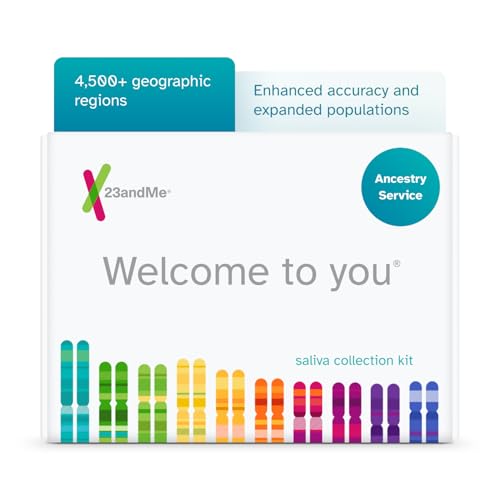
Product: 23andMe
Key features: 4,500+ geographic regions with detailed ancestry estimates. Features include ancestry timelines, Neanderthal heritage, and a DNA Relative Finder. Includes an optional family tree integration and trait reports across 30+ areas.
Best for: Researchers seeking a highly granular geographic mapping and connections to known or unknown relatives, plus broader trait information.
Limitations: Some users may experience more regional granularity in specific populations; coverage varies by region.
FamilyTreeDNA Family Finder
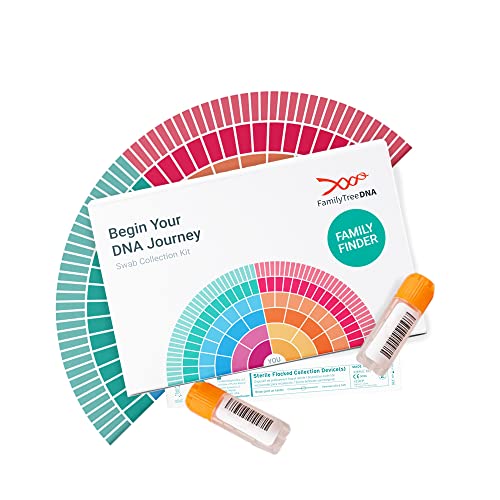
Product: FamilyTreeDNA
Key features: Connect with relatives via interactive tools and complete chromosome-level comparisons. MyOrigins Chromosome Painter helps visualize the geographic origins of DNA segments. AncientOrigins reveals deeper ancestry in ancient populations.
Best for: Genealogy enthusiasts who want in-depth chromosome-level matching and visual representations of ancestral origins, plus ancient DNA context.
Limitations: The user base may be smaller in certain regions compared to larger providers; broader relative matching depends on participation levels.
AncestryDNA with World Explorer Membership
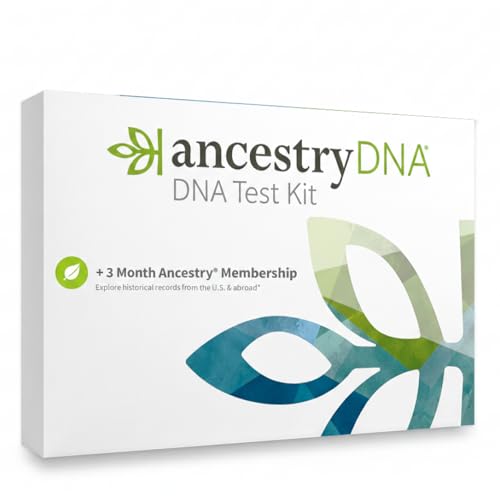
Product: AncestryDNA
Key features: Top-seller with 3,600+ regions and a 3-month World Explorer membership offering access to billions of family history records. Activation integrates membership benefits with DNA results.
Best for: Researchers who want a broader genealogical toolkit, combining DNA insights with a substantial historical records library.
Limitations: The World Explorer membership is time-limited; long-term use may require ongoing membership decisions.
Buying Guide
What should you look for in a genealogy DNA test?
- Region coverage: More geographic regions generally yield finer ancestral detail, especially for American genealogies with immigration histories.
- Relative finding: A robust network of matches improves the chance of connecting with distant cousins and building family trees.
- Data privacy: Look for clear controls over what you share and with whom, plus straightforward activation and data management.
- Historical records access: Some packages include access to large online archives, which can significantly hasten family history research.
Which test fits different types of researchers?
- Best for broad ancestry and relatives: AncestryDNA and AncestryDNA + Traits offer strong matching and user-friendly interfaces.
- Best for geographic depth and Neanderthal insights: 23andMe Ancestry Service provides broad regional mapping and unique trait/heritage features.
- Best for in-depth genealogical tools: FamilyTreeDNA Family Finder delivers chromosome-level data and visualization tools for precise lineage tracing.
- Best for combining DNA data with historical records: AncestryDNA with World Explorer Membership links genetic results to billions of records.
Buying considerations in practice
- Privacy preferences: Decide whether you want to share results with relatives within the platform or keep data private.
- Family tree integration: If you already maintain a family tree, choose a test that integrates well with your preferred genealogy software or platform.
- Cost versus value: Consider whether you value added features like trait reports or long-term access to records alongside the DNA results.
Quick reference FAQ
- What can DNA tests reveal about my genealogy? They provide regional origins, potential relatives, and sometimes historical migration patterns.
- Will these tests tell me exactly which ancestor contributed a specific gene? No. They reveal population-level ancestry and genetic relatives, not direct-patient lineage at the level of single ancestors.
- How long do results take? Most services provide results within several weeks after you send the sample, typically around six weeks for many providers.
- Can test results be shared with family members? Yes, most platforms offer ways to share results with relatives or invite them to collaborate on a family tree.
- Is there a difference between DNA tests for humans and pets? Yes. Some products are designed for canine or other non-human DNA analysis and are not interchangeable with human genealogy tests.
- Do these tests require ongoing subscriptions? Some packages include optional memberships that grant access to additional records; others are standalone tests.