Choosing a digital dictionary for young learners can boost vocabulary, reading comprehension, and spelling confidence. The right device or app combines a robust word database with kid-friendly explanations, game-like features, and practical language practice. Below, five carefully selected options tailored for American students offer reliable dictionaries, built-in thesauri, bilingual support, and engaging learning tools. Use the Buying Guide at the end to compare features and make the best choice for a child’s needs.
| Product | Brand | Key Features |
|---|---|---|
| Franklin MDE-1200 Electronic Dictionary | Franklin | English dictionary, 80,000 headwords, 250,000 definitions, 15,000 synonyms, 12,000 antonyms; grammar tools; TOEFL/SAT prep; word solvers |
| Merriam-Webster’s Dictionary for Children | Merriam-Webster | Kid-friendly dictionary; classroom-approved reference |
| Franklin DBE-1200 Bilingual Dictionary | Franklin | English-Spanish dictionary with 150,000+ words; 1,000,000 translations; phrasebook; grammar tools |
| Merriam-Webster’s Elementary Dictionary | Merriam-Webster | 36,000+ updated entries; quotes from children’s literature; vocabulary-building resource |
| Houghton Mifflin American Heritage Dictionary (Children) | HOUGHTON MIFFLIN HARCOURT | 13,000+ entries; color photos; word histories; language detective; thesaurus and phonics notes |
Franklin MDE-1200 Electronic Dictionary

The Franklin MDE-1200 combines a comprehensive English dictionary with a large thesaurus in a portable device. It provides 80,000 headwords and 250,000 definitions, along with 15,000 synonyms and 12,000 antonyms to expand vocabulary and fluency. Built-in English grammar and test tools cover irregular verbs, verb conjugation, noun/adjective inflection, confusables, and vocabulary banks suitable for TOEFL, GRE, SAT, GMAT, and TOEIC prep. It also offers word solvers such as Crossword Solver, Anagram Solver, and Word Builder, making practice both educational and engaging. This device can be an on-the-go reference for homework, reading, and spelling practice, especially for learners who prefer a dedicated handheld tool.
Merriam-Webster’s Dictionary for Children

Designed for early readers and elementary students, Merriam-Webster’s Dictionary for Children offers child-friendly definitions, simple pronunciation guides, and example sentences that illustrate how words are used in everyday contexts. While marketed for classroom use, it translates well to home study, helping students build confidence with vocabulary, spelling, and comprehension. The kid-centric approach makes it a reliable reference when writing assignments, reading programs, or language arts practice. This dictionary serves as a foundational tool for establishing independent word lookup habits and improving reading fluency over time.
Franklin DBE-1200 Bilingual Dictionary

The Franklin DBE-1200 centers on bilingual learners with an English-Spanish dictionary and a full English dictionary. It includes over 150,000 words and a million translations, along with a 7,000-entry English-Spanish phrasebook for everyday conversation, travel, business, and healthcare topics. English grammar tools like verb conjugation and irregular verbs accompany vocabulary for test prep. The device supports language development by offering inflection tools for Spanish and English, synonyms, and word banks aligned with exams like TOEFL and SAT. This is especially helpful for students navigating bilingual coursework or dual-language classrooms.
Scholastic Pocket Dictionary Of Synonyms, Antonyms, Homonyms

Scholastic’s Pocket Dictionary focuses on smaller, portable reference with a concise collection of synonyms, antonyms, and homonyms. While compact, it supports vocabulary development through quick-lookups and context-appropriate word choices. The user-friendly format makes it suitable for quick homework checks, while still offering enough depth for classroom activities. For teachers and parents seeking a lightweight option to reinforce word relationships, this pocket dictionary provides an accessible reference that complements other larger dictionaries.
Merriam-Webster’s Elementary Dictionary
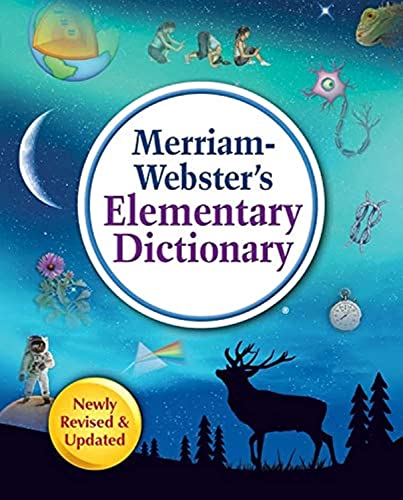
This elementary dictionary from Merriam-Webster expands vocabulary with 36,000 updated entries. It is designed to support young readers with age-appropriate definitions and quotes from children’s literature that illustrate usage in real-world contexts. The resource emphasizes vocabulary growth and reading comprehension by presenting accessible explanations, sample sentences, and helpful notes for spelling and grammar. It’s a solid desk reference for school assignments and independent study, providing a foundational vocabulary-building tool for elementary students.
Houghton Mifflin American Heritage Dictionary (Children)

American Heritage’s Children’s Dictionary by Houghton Mifflin Harcourt offers more than 13,000 main entries and visually rich content with over 1,000 full-color photos and drawings. Additional features include word histories, a language detective, vocabulary builder, spelling notes, and practical appendices that include a thesaurus, phonics, spelling, measurement, and geography. This dictionary serves as a robust reference that integrates visually engaging elements with linguistic depth, making it a strong option for classrooms and home study where comprehension and retention are priorities.
Buying Guide: Key Purchase Considerations
- Intended use: Determine if you want a handheld electronic dictionary, a bilingual tool, or a traditional print-companion for a broader experience.
- Audience age and reading level: Choose a resource with age-appropriate definitions, sample sentences, and reading comprehension support.
- Pronunciation and audio features: Some devices and apps offer audio pronunciations, which help with correct pronunciation and listening practice.
- Word count and coverage: Look for dictionaries that balance a wide vocabulary with clear, kid-friendly explanations and examples.
- Bilingual capabilities: For bilingual learners, bilingual dictionaries with translations and phrasebooks can accelerate language development.
- Additional tools: Grammar guides, verb conjugation, crossword or word solver features, and test-prep resources add practical value for homework and exams.
- Portability vs. classroom use: Handheld devices are portable; print or app-based options may offer easier updates and wider compatibility with school systems.
- Durability and ease of use: Consider devices with readable screens, durable casing, and intuitive navigation for youngest users.
Across these options, the best choice depends on a child’s learning goals, whether emphasis is on vocabulary expansion, bilingual skills, or integrated grammar and test prep. For independent study, electronic dictionaries with built-in practice tools can reinforce daily language habits. For bilingual households, a bilingual dictionary with a robust phrasebook supports natural communication. For classrooms, companions with kid-friendly content and age-appropriate references align well with common core standards and reading programs. In all cases, pairing a dictionary with regular reading and writing activities yields the strongest long-term language development benefits.