Finding the right decoding resources supports early reading success by building phonemic awareness, phonics skills, and fluency. This guide highlights five standout first-grade decoding titles, drawing from trusted publishers. Each entry includes key features to help parents and educators compare options quickly and choose resources that align with classroom or home needs.
| Product | Brand | Highlights |
|---|---|---|
| Evan-Moor Daily Phonics, Grade 1 | Evan-Moor Educational Publishers | Phonemic awareness, decoding practice, reproducible worksheets |
| School Zone Big First Grade Workbook | School Zone | Comprehensive 320 pages: phonics, reading skills, math basics |
| School Zone Addition & Subtraction Workbook | School Zone | Math foundations with place value and regrouping |
| Scholastic First Grade Reading Set | Scholastic | 60-book reader set with leveled decoding strategies |
| Bob Books Set 1 | Scholastic | Beginner phonics with simple, decodable stories |
Evan-Moor Daily Phonics Grade 1: Reproducible Practice

The Evan-Moor Daily Phonics Grade 1 workbook emphasizes foundational decoding skills through structured practice. It includes 208 pages of reproducible worksheets designed to support both classroom and homeschool environments. The material targets phonemic awareness, decoding strategies, and word-study routines, making it a practical daily resource for early readers, including students learning English. The workbook format allows teachers and parents to assign focused phonics activities, track progress, and provide targeted instruction where needed. Its compact dimension supports easy storage and daily use in small-group or one-on-one settings.
School Zone Big First Grade Workbook

This 320-page workbook offers a broad first-grade curriculum with a strong emphasis on reading skills and phonics. The book is organized into clearly labeled sections covering phonics, reading skills, and parts of speech, along with basic math concepts such as time, money, and fractions. Color-coded sections help identify and differentiate skill types, making it easier for parents and teachers to guide targeted practice. The structure supports independent work and homeschool routines, while the size and scope provide ample opportunities for cumulative decoding practice across weeks of instruction.
School Zone Addition & Subtraction Workbook

The Addition & Subtraction Workbook provides 64 pages of practice focused on early math concepts suitable for first and second graders. While primarily math-oriented, it supports cognitive skills that complement decoding work, such as number problems and word problems that require careful reading. The workbook format is ideal for short daily sessions, enabling steady skill development. With varied activities and constant progression, it helps reinforce decoding through context-rich math problems and place-value understanding across a range of exercises.
Scholastic Learn to Read Books Lot 60: First Grade Set
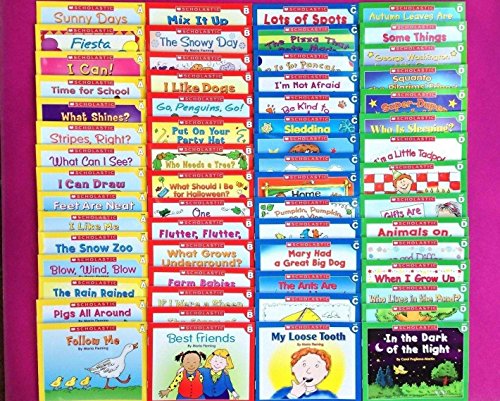
This Scholastic collection assembles 60 stapled booklets designed for early readers across levels A through D. Each 8-page reader features simple, decodable text and clear print to attract attention to the phonics cues. The set supports a broad range of decoding practice, from phonemic awareness through to sentence-level understanding. Grouped by level, the books offer scalable challenges that can be used for guided reading, independent practice, and at-home reinforcement of decoding strategies.
Bob Books Set 1: Beginning Readers

The Bob Books Set 1 focuses on beginning readers with simple, decodable stories and easy-to-read text. The set is designed to support early phonics by providing short, phonetically regular words that help reinforce decoding skills. The packaging emphasizes proper presentation for classroom or homeschool use, and the approachable format makes it suitable for entrance-level readers who are just starting to blend sounds and letters. Its structured progression supports gradual skill-building and confidence in first-grade decoding tasks.
Buying Guide
Key considerations when selecting decoding resources for first grade include the following:
- Reading level and decodability: Choose materials that align with early decoding stages—simple phoneme-grapheme mappings, repetitive word patterns, and controlled vocabulary.
- Practice variety: A mix of worksheets, decodable books, and integrated reading activities helps sustain engagement and supports different learning styles.
- Instructional format: Reproducible workbooks are great for daily practice; teacher or parent-led modules work well for guided sessions.
- Progression and scope: Look for resources that gradually increase difficulty and cover phonemic awareness, phonics, and basic comprehension.
- Homeschool vs classroom needs: Consider size, durability, and the ability to reuse materials in multiple sessions or grade levels.
- Supplemental supports: Some sets include reading strategies, sight word practice, or word-family activities that reinforce decoding in context.
Across these options, parents and educators can tailor a decoding toolkit to a child’s pace. For diverse learners, combining decodable readers with structured phonics work can improve fluency and comprehension over time. The items listed here balance foundational decoding with broad skill development, offering practical resources for early readers in both homeschool and classroom settings.