Starting out in chess requires both guidance and practice. The following hand-picked titles are renowned for teaching foundational concepts, common strategic themes, and practical exercises that help new players build a solid, long‑term understanding of the game. Each entry includes a concise overview and what to expect from its approach. Whether you prefer classic instruction, tactical patterns, or game analysis, these books can help you accelerate your progress on the board.
| Book | Author/Brand | Format | Focus |
|---|---|---|---|
| Bobby Fischer Teaches Chess | Penguin | Paperback | Pattern recognition, endgames, interactive drills |
| Complete Book of Chess Strategy: Grandmaster Techniques from A to Z | The House of Staunton | Paperback | Strategic concepts, planning, positional ideas |
| Chess Fundamentals | SDE Publishing | Paperback | Core rules, thinking process, foundational methods |
| Modern Chess Openings, 15th Edition | Random House Puzzles & Games | Paperback | Opening principles, move-order ideas |
Bobby Fischer Teaches Chess

Bobby Fischer Teaches Chess is a concise program that emphasizes pattern recognition and incremental learning. The book presents a series of problems and alternative lines that guide readers through practical decision-making. Its logical progression makes it suitable for absolute beginners who want to develop intuition for typical chess motifs, such as forks, pins, and discovered checks. The compact edition is traveler-friendly and often used as a quick-entry companion for regular practice sessions.
Complete Book of Chess Strategy: Grandmaster Techniques from A to Z

This reference-style guide surveys a broad range of strategic ideas, organized alphabetically for easy navigation. Jeremy Silman’s approach—focusing on imbalances, planning, and long-term plan selection—helps learners understand why certain moves succeed under specific positional conditions. With 360 pages of diagrams, examples, and explanations, it serves as a fundamental resource for players aiming to deepen strategic thinking beyond basic tactics.
Chess Fundamentals
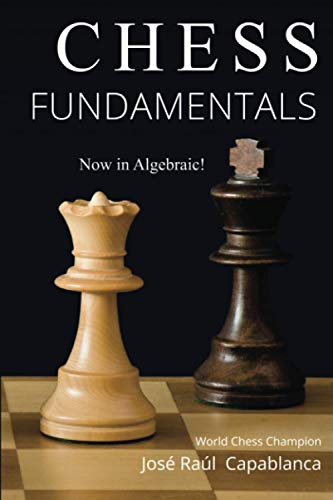
Chess Fundamentals presents a structured, methodical approach to learning the game. While it covers the basics of rules and piece movement, it also emphasizes the process of thinking through each move, evaluating candidate lines, and avoiding common mistakes. The material is designed to build a solid mental framework for planning, calculation, and strategic evaluation, making it a practical centerpiece for beginners who want a cohesive progression from rule familiarity to board mastery.
Modern Chess Openings, 15th Edition

This edition emphasizes openings as practical frameworks rather than exhaustive theory. It covers common structures, typical plans, and key ideas behind several popular lines, offering readers a practical lens for understanding how opening choices influence middle-game plans. The book is marked as a used copy in good condition, which can appeal to budget-conscious learners seeking reliable historical guidance on classical openings and their strategic implications.
Buying Guide: Key Purchase Considerations
- Learning style and goals: Beginners who want quick pattern recognition may favor interactive/problem-driven books like Fischer Teaches Chess, while those seeking deeper strategic frameworks may prefer Silman’s or Fundamentals.
- Depth versus brevity: Short, portable titles are great for on-the-go practice, whereas comprehensive guides suit a longer, structured study plan.
- Structural clarity: Look for books that present ideas with diagrams, examples, and step-by-step explanations to reinforce understanding.
- Progression path: Choose titles that build from basic rules to strategic concepts, ensuring a logical learning curve.
- Edition quality and maintenance: Consider the publication date and edition quality, especially for opening references that evolve over time.
- Budget considerations: For beginners, it can be practical to mix a foundational book with one more focused guide to fit budget and learning style.
- Supplemental resources: Some books include exercises, online resources, or companion workbooks that can enhance practice outside of reading.
These books collectively cover essential beginner needs: recognizing common tactical motifs, understanding strategic planning, grounding play in solid fundamentals, and grasping opening concepts. Readers can mix and match based on preferred learning pace, whether they seek quick drills, systematic study, or reference-style guidance for long-term growth.