Whether you’re new to product management or looking to sharpen strategy, leadership, and execution, these five titles offer practical guidance for building products that meet real user needs. Each book provides a different lens—interview prep, organizational traction, personal productivity, and strategic mindset—so you can mix and match for a well-rounded toolkit. The following sections summarize key features and how they can help an aspiring or current PM improve decision-making, prioritize effectively, and drive outcomes.
| Product | Author/Brand | Amazon Link | Notable Features |
|---|---|---|---|
| Cracking the PM Interview | CareerCup | https://www.amazon.com/dp/0984782818?tag=scholarstud-20 | PM interview prep, tech industry insights, career guidance |
| Traction: Get a Grip on Your Business | BenBella Books | https://www.amazon.com/dp/1936661837?tag=scholarstud-20 | Growth framework, practical strategies for startups |
| Think and Grow Rich | Penguin | https://www.amazon.com/dp/1585424331?tag=scholarstud-20 | Mindset, wealth-building, timeless business principles |
| Stop Overthinking | VAIVIDHYAM | https://www.amazon.com/dp/B08XLLF3PG?tag=scholarstud-20 | Stress relief, focus, present-mearment techniques |
| Better Office Products Activity Log Notepad | Better Office Products | https://www.amazon.com/dp/B0CKM35Y1Z?tag=scholarstud-20 | Daily planning, time tracking, productivity |
Cracking the PM Interview: How to Land a Product Manager Job in Technology
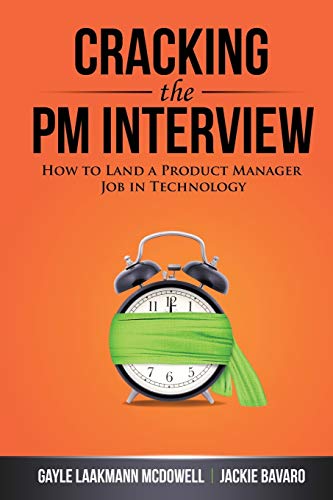
This title offers practical guidance for product management interviews, with an emphasis on the unique challenges of technology companies. It covers the interview process, common questions, case studies, and how to articulate your product thinking to hiring teams. Readers may benefit from structured frameworks for product design, roadmapping, user research, and metrics—areas PMs routinely assess in real-world roles. The book is a commonly cited resource for aspiring PMs, especially those transitioning from engineering, design, or business backgrounds.
Key takeaways include preparing a portfolio of product stories, refining your storytelling to highlight impact, and aligning your experience with core PM competencies such as customer discovery, prioritization, and cross-functional collaboration. It can serve as a practical workbook for interview prep, as well as a reference for ongoing career development in product management.
Audience: Early-career PMs, professionals seeking PM roles, and individuals aiming to enter technology-focused product management. The content is structured to translate prior experience into PM-relevant language and demonstrate problem-solving in product contexts.
Stop Overthinking: 23 Techniques to Relieve Stress, Stop Negative Spirals, Declutter Your Mind, and Focus on the Present

Product management often involves complex decisions under uncertainty. This book provides strategies to reduce cognitive load, manage stress, and improve focus—valuable skills for PMs who need to think clearly, make decisions promptly, and communicate effectively with stakeholders. The techniques highlighted in the book can help product teams avoid analysis paralysis and maintain momentum in fast-paced development cycles.
Practical relevance includes applying mindfulness and structured thought patterns to backlog grooming, prioritization debates, and weekly planning. The guidance centers on breaking negative thought loops, reframing scenarios, and adopting present-mocused thinking to improve stakeholder interactions and weekly execution.
Considerations: While not a PM-specific manual, its techniques can support mental clarity, better meeting outcomes, and more intentional decision-making—complementing PM processes without replacing technical or market analyses.
Traction: Get a Grip on Your Business

Traction applies a practical framework for scaling a business through structured go-to-market strategies and clear metrics. For product managers, the book’s emphasis on aligning product, marketing, and sales teams around a common set of objectives is especially relevant. It promotes a disciplined approach to testing, validating assumptions, and iterating based on data, which aligns with PM responsibilities to deliver value efficiently and measure outcomes.
The core concepts revolve around identifying the critical constraints that impede growth, implementing a few high-leverage initiatives, and maintaining accountability across departments. These ideas translate into roadmaps that prioritize customer value, reduce waste, and accelerate product adoption. While oriented toward startups and small businesses, the framework can also inform PMs at larger companies seeking sharper execution discipline.
For PMs, Traction offers a lens on cross-functional collaboration, product-market fit validation, and scalable growth practices. It’s a useful companion to technical skills, enabling better prioritization and alignment with business goals.
Think and Grow Rich: The Landmark Bestseller Now Revised and Updated for the 21st Century

This classic explores mindset, persistence, and wealth-building principles that many executives and product leaders find motivational. While not a technical PM manual, the book emphasizes goal setting, belief in success, and disciplined action—traits that can influence product strategy, stakeholder management, and personal leadership.
Readers may apply its lessons to long-term roadmap thinking, resilience in the face of market volatility, and the discipline required to execute ambitious product visions. The revised edition ensures contemporary language and examples, making it accessible for modern audiences while preserving foundational ideas about strategic thinking and opportunity creation.
Better Office Products Activity Log Notepad
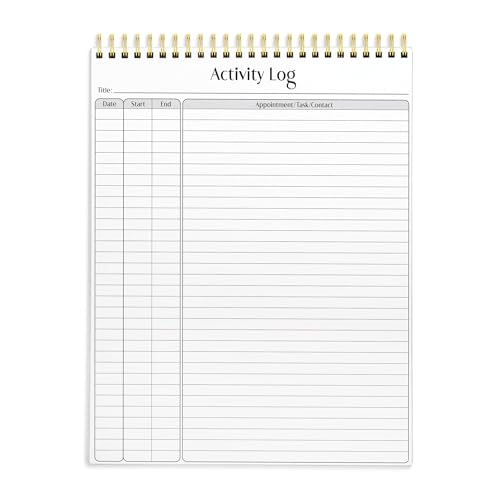
This planning notepad offers a simple, tactile tool for daily task tracking, time logging, and productivity checks. For PMs who thrive on organization and visible progress, a well-designed notebook can complement digital systems by providing quick, offline accountability. The 8.5″ x 11″ format accommodates extensive checklists, sprint planning notes, and backlog entries, while the double-wire spiral binding keeps sheets secure and accessible.
Key benefits include easy tear-off of pages, a planning-friendly layout, and a visually appealing design that helps teams stay oriented toward daily deliverables. This type of notepad can be especially helpful for co-located teams, stand-up style updates, or personal productivity rituals that support PM cadence and execution discipline.
Buying Guide: Key Purchase Considerations for Product Management Readers
- Relevance to PM roles: Prioritize books that address product strategy, user research, prioritization, roadmapping, and cross-functional collaboration. Tools that support mindset, time management, and productivity can complement core PM skills.
- Practical applicability: Look for frameworks, checklists, and examples you can apply to real projects, interviews, or team rituals. Books with actionable steps tend to yield quicker gains in day-to-day work.
- Balance of theory and practice: A mix of mindset-oriented reads (e.g., Think and Grow Rich) and process-focused guides (e.g., Traction, Cracking the PM Interview) offers a well-rounded approach to PM development.
- Audience alignment: Consider your current level (entry, mid, senior) and career goals (individual contributor vs. leadership) to select titles that match your needs and growth path.
- Format and accessibility: Choose a combination of print, digital, and notebook formats to suit your learning style, whether you prefer reading, note-taking, or hands-on planning.
In sum, the selected titles provide a spectrum of insights for product managers: interview readiness, organizational growth, mindset and focus, practical planning, and enduring business principles. Integrating ideas from these books can help PMs improve decision quality, align teams, and pursue strategic opportunities with confidence.