Jazz literature offers deep dives into performers, theory, and the era-defining sounds that shaped a century of music. This guide highlights five top books and collections that appeal to listeners and learners alike. Each selection combines historical insight with practical details to help readers and students explore jazz more meaningfully. The choices below cover interviews, piano technique, theory, standard repertoires, and comprehensive songbooks—providing a well-rounded starting point or a focused expansion to any jazz library.
| Product | Brand | Notes |
|---|---|---|
| DownBeat – The Great Jazz Interviews | Hal Leonard | 75th Anniversary Anthology with rare photographs and archival conversations |
| The Jazz Piano Book | Sher Music Co | Comprehensive piano resource for technique and improvisation |
| Jazz Covers. 45th Ed. | Taschen | Iconic visual compendium of jazz standards cover imagery |
| The Jazz Theory Book | Sher Music Co | Core reference for harmony, improvisation, and theory |
| First 50 Jazz Standards You Should Play on Piano | Hal Leonard | Beginner to intermediate accessible standard repertoire |
These selections collectively address archival interviews, practical piano study, visual and design sensibilities of jazz literature, theoretical foundations, and a curated set of essential standards. Each entry is tailored for different learning objectives—from classroom use to personal practice—while remaining accessible to a broad American audience.
DownBeat Great Jazz Interviews — 75th Anniversary Anthology

The Great Jazz Interviews compiles conversations with iconic musicians, offering a historical lens on performance, composition, and the evolution of jazz. The 340-page softcover commemorates a long-standing journal’s legacy, presenting voices that shaped the art form. Readers gain context on how artists framed improvisation, repertoire choices, and collaboration. This anthology is valuable for students, educators, and fans seeking primary perspectives from a pivotal era of jazz.
Key features include archival photographs and carefully curated conversations that illuminate creative processes, stylistic shifts, and the social milieu surrounding influential recordings. The book serves as both a reference volume and an inspirational text for seminar discussions, group study, or personal enrichment. Its versatility makes it a staple for college courses, music history classes, and library collections seeking a definitive compilation of important interviews.
The Jazz Piano Book

Authored by Sher Music Co, The Jazz Piano Book is a long-standing reference for pianists seeking a structured, practical approach to jazz technique and improvisation. While built for both beginners and advanced players, it emphasizes foundational concepts—scales, chords, voicings, and authentic language across styles. Readers can progress through curated exercises and play-along ideas that reinforce listening and critical listening skills. This resource is widely used in studios and classrooms for its clear organization and comprehensive coverage.
Features highlighted in this edition include assessments of technique, repertoire strategies, and theoretical frameworks tailored to the piano. The text supports a variety of learning trajectories, from melodic improvisation to comping and rhythmically sophisticated accompaniment. It is a dependable anchor for anyone building a solid jazz piano vocabulary and improving sight-reading and interpretation within the idiom.
Jazz Covers. 45th Ed. (Multilingual Edition)
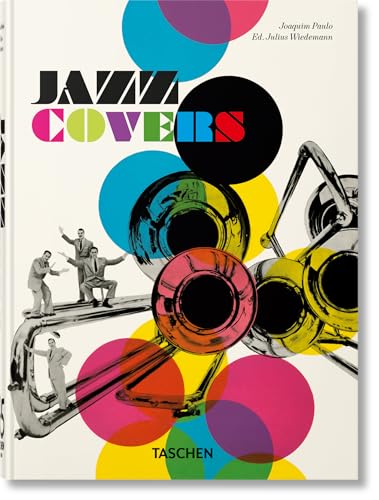
Jazz Covers is a visual celebration of jazz culture, featuring cover art and design inspired by jazz classics. This Taschen edition emphasizes height, depth, and width with a compact hardcover format that makes it a shelf document as well as a coffee-table companion. While not a traditional theory or technique book, its visual profiling helps readers connect historical imagery with the sounds and eras they represent. The multilingual edition broadens accessibility for international readers and classrooms seeking diverse perspectives in jazz aesthetics.
Readers benefit from seeing how design and imagery influence the public perception of jazz. The book becomes a conversation starter for courses on music history, graphic design, and cultural studies. Its curated selections encourage learners to explore how branding and presentation have shaped jazz’s enduring appeal—and how visuals can enhance listening experiences and memory for standards and performances.
The Jazz Theory Book

The Jazz Theory Book by Sher Music Co. is a foundational reference for harmony, melody, and rhythm in jazz. It covers topics from basic chord construction to complex reharmonization, offering a structured path for learners seeking a deep theoretical understanding. The book emphasizes practical application, showing how theory translates into improvisational choices, voicings, and arrangments. It is widely used by students, educators, and professional musicians aiming to solidify their theoretical base while enhancing improvisational fluency.
Designed for both self-study and classroom use, the book presents concepts with explanations, examples, and exercises. It integrates essential theory with practical musical contexts, including sight-reading considerations and progressions common in standards play. This resource helps readers develop a cohesive framework for analyzing jazz harmony and crafting compelling solos and ensembles around chord changes and modal language.
First 50 Jazz Standards You Should Play on Piano

Hal Leonard’s First 50 Jazz Standards You Should Play on Piano collects essential repertoire for aspiring pianists. The collection emphasizes easy-to-intermediate arrangements designed for learning and performance. With 162 pages of well-chosen pieces, the book provides a practical entry point into classic standards, featuring accessible arrangements and lyric integrations for songs that are frequently performed by ensembles and soloists alike.
Readers benefit from a curated set of tunes that cover a broad range of styles—swing, ballads, bebop, and more—making it a versatile practice tool. The collection supports technique development, listening skills, and interpretive practice, helping players internalize standard forms and common chord progressions encountered in gig settings or study labs.
The Real Book Volume 1 Sixth Edition

The Real Book Volume 1 Sixth Edition provides a canonical collection of 400 classic jazz standards in C instruments. Known as a crucial lead sheet resource for musicians, this edition offers reliable melodies, chords, and structures that support rehearsal, soloing, and ensemble performances. The Real Book remains a staple for college ensembles, professional gigs, and private study, bridging the gap between theoretical knowledge and practical application.
Users can rely on a consistent format with straightforward lead sheets, enabling efficient transposition and arrangement work. The collection is especially useful for those focusing on repertoire across eras, from early jazz through modern explorations. Its breadth makes it a dependable reference for repertoire study, accompaniment practice, and improvisation planning in performance settings.
Buying Guide
Key considerations when selecting jazz books include content focus, learning level, and how the material complements existing study goals. The following perspectives help tailor choices to individual needs:
- Content depth: For theory, The Jazz Theory Book provides a rigorous framework. For interviews and culture, DownBeat offers historical context and primary voices.
- Practical skill development: The Jazz Piano Book and First 50 Jazz Standards focus on hands-on technique and repertoire, making them ideal for ongoing practice.
- Visual and cultural perspective: Jazz Covers offers design-centric context that enhances understanding of jazz’s visual and social dimensions.
- Repertoire breadth: The Real Book and First 50 Standards supply a broad set of standards essential for performance and study, with different levels of complexity.
- Accessibility and format: Consider physical format (hardcover vs. softcover) and language availability, as some editions are multilingual or oriented toward classroom use.
When combining these resources, educators can structure a curriculum that balances historical insight with practical technique and repertoire. Readers should align selections with current skill level, teaching goals, and interest areas—whether they are preparing for a recital, building a personal library, or designing a jazz theory course.