Parents and educators seeking practical, evidence-informed resources for supporting children’s emotional regulation can turn to these selected books and tools. Each title below focuses on identifying feelings, understanding behavior, and encouraging positive choices through engaging stories, activities, and classroom-friendly formats. The selections emphasize accessible language, visual aids, and hands-on strategies suitable for home and school environments.
| Product | Brand | Core Benefit |
|---|---|---|
| The Original Mood Flipbook for Kids | My Moods, My Choices | Wide range of moods with laminated pages and built-in stand for easy reference and positive action choices |
| Reward & Behavior Journal for Kids – Weekly Chart | Learn & Climb | Weekly charts, task cards, and a storage system to tailor rewards and routines |
| Feelings Flipbook: 22 Moods | GAKICO | Structured scenes and emotion cues to develop empathy and emotional literacy |
| Feelings Family Core Emotions Book Set | hand2mind | Story-driven exploration of core emotions for classroom calm-down and SEL learning |
The Original Mood Flipbook for Kids
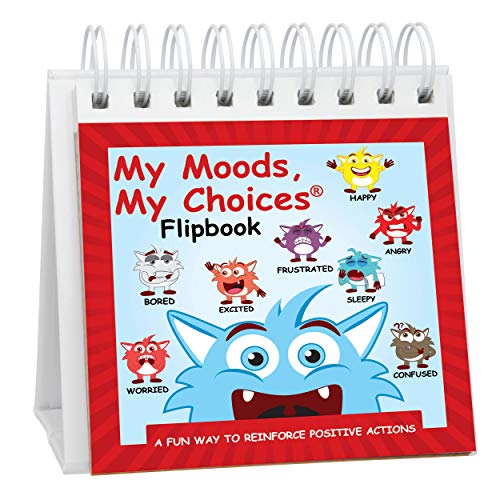
The Original Mood Flipbook teaches children about a broad spectrum of moods and emotions through a fun, interactive format. The revised design features new images and suggested actions kids can take when feeling different emotions. With 20 distinct moods—including angry, bored, excited, and worried—children flip to the character that matches their current mood and read about positive, constructive responses. Laminated pages ensure durability, and a built-in stand offers quick reference during conversations or in learning corners. The flipbook is available in multiple sizes for classroom or travel use, making mood recognition accessible in various settings.
Reward & Behavior Journal for Kids – Weekly Chart

The Reward & Behavior Journal provides weekly breakdowns with reward charts and a wide set of task cards to customize routines. Included are 60 task cards and a dedicated storage system to prevent loss of cards, enabling families and classrooms to tailor the journal to individual needs. The format supports ongoing motivation and tracking, helping children associate consistent behaviors with positive outcomes. This tool is suitable for diverse environments and can adapt to changing schedules, making it flexible for long-term behavior management strategies.
hand2mind Feelings Family Core Emotions Book Set

This set introduces core emotions through five engaging 24-page books designed for a calm-down corner and home or classroom use. Each book centers on a single emotion—Happy, Sad, Angry, Scared, and Surprised—using relatable characters and scenarios. The format supports storytelling and discussion, helping children externalize feelings and practice healthy responses. The family-friendly approach encourages consistent SEL conversations and can be integrated into daily routines, dramatic play, or guided discussions about social-emotional understanding.
GAKICO Feelings Flipbook for Kids

The GAKICO Feelings Flipbook offers 22 moods with scenes designed for ADHD and autism learning needs. It includes 10 distinct scenes to explore how characters feel in different contexts and supports emotional regulation through practical action suggestions. The book emphasizes empathy development, understanding emotional cues, and effective communication. It serves as a versatile classroom or home resource for identifying emotions, validating feelings, and guiding constructive responses in social situations.
Buying Guide
- Age and developmental alignment: Choose tools that match the child’s cognitive level and attention span, from simple mood cards to longer narratives.
- Format and setting: Consider whether a laminated flipbook, a desk chart, or a story set best supports daily routines in home or classroom spaces.
- Emotional regulation focus: Look for resources that pair emotion identification with actionable strategies, such as calming techniques or positive choices.
- Customization potential: Products with modifiable task cards or discussion prompts help tailor the approach to individual needs and goals.
- Caregiver and educator practicality: Durable materials, easy storage, and ready-to-use discussion prompts reduce setup time and increase consistency.
- Accessibility and inclusivity: Visual supports, clear language, and diverse characters promote broader understanding for children with varied backgrounds and abilities.
- Evidence-informed design: Tools grounded in social-emotional learning (SEL) best practices tend to integrate well with school curricula and home routines.