Finding the right books to support early reading skills can shape a child’s confidence and progress. This article highlights top titles that educators and parents rely on to build phonics, word recognition, and reading comprehension. Each pick offers structured practice, kid-friendly text, and practical guidance for guiding beginners from sounds to sentences.
The following summary table showcases the featured products, their brands, and core strengths to help you compare at a glance.
| Product | Brand | Core Benefit | Amazon Link |
|---|---|---|---|
| Teach Your Child to Read in 100 Easy Lessons: Revised and Updated Second Edition | Touchstone | Structured, gradual reading lessons for beginners | Link |
| Bob Books – Set 1: Beginning Readers Box Set | Scholastic | Starter phonics readers with simple text and sequence | Link |
| First Little Readers Parent Pack: Guided Reading Level C | Scholastic Teaching Resources | Guided reading level books with parental guidance | Link |
| 100 Words Kids Need to Read by 1st Grade | Scholastic | Targeted sight word practice for early readers | Link |
Proceeding sections provide practical detail about each title, including notable features, what to expect in the classroom or home setting, and alignment with early reading goals. All summaries reference the listed features and publisher guidance to help you make informed choices.
Teach Your Child To Read In 100 Easy Lessons
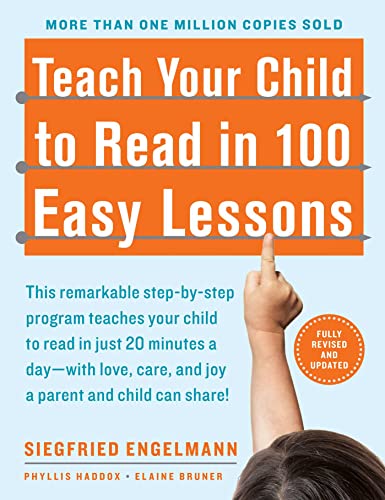
Overview and approach. This revised edition presents a systematic, incremental route from sounds to print. The program is designed for daily short sessions, guiding parents and caregivers through explicit instruction that progresses at a steady pace. It emphasizes phonemic awareness, decoding, and fluency, making it a durable option for families seeking a well-structured at-home curriculum.
What makes it effective. The book delivers concise lesson steps, with quick-check activities to reinforce learning. The gradual progression helps reduce frustration for struggling readers and maintains engagement for confident beginners. It is commonly used in homeschooling and classroom settings as a core foundational resource.
Who benefits most. It suits late preschool through early elementary learners, especially those who appreciate a concrete, step-by-step routine. If you prefer a proven, line-by-line plan that can be used independently by motivated readers with parental support, this title is a strong match.
Bob Books Set 1: Beginning Readers Box Set

Overview and approach. The Box Set 1 introduces short, decodable texts that align with early phonics instruction. The simple sentences and predictable patterns help new readers gain confidence while recognizing common letter-sound relationships. The packaging is durable and organized for classroom or home use, making it easy to rotate titles during guided reading sessions.
What makes it effective. The level-appropriate text and clear progression support early decoding skills. Frequent repetition of phoneme-grapheme correspondences strengthens recall, and the set’s design emphasizes kid-friendly, easy-to-read content that sustains engagement.
Who benefits most. Ideal for kindergarteners and first graders who are transitioning from phonics practice to independent reading. It is also a practical resource for teachers seeking a ready-to-use group of starter readers with consistent print goals.
First Little Readers Parent Pack: Guided Reading Level C

Overview and approach. This guide pack offers 25 engaging early-reader titles curated for guided reading. Each book aligns with Level C, which typically suits early readers who are expanding from decodable texts to more varied sentence structures. The pack includes a parent guide with tips to support literacy at home and in the classroom.
What makes it effective. Structured support for both students and caregivers helps learners practice fluency and comprehension in a guided setting. The accompanying tips promote effective reading routines, while the selection emphasizes accessible narratives and age-appropriate themes.
Who benefits most. This resource is well-suited for elementary classrooms and homeschooling households seeking ready-to-use guided-reading titles with practical parental guidance. It supports ongoing assessment and progress tracking in the early stages of reading development.
100 Words Kids Need To Read By 1st Grade

Overview and approach. This workbook targets essential sight words that form the foundation of early reading fluency. It provides practice activities, including fill-in-the-blank stories, sentences, games, and puzzles. The curated list of 100 high-frequency words is designed to maximize recognition and quick recall in everyday reading.
What makes it effective. Practice pages reinforce recognition through varied formats, reducing monotony and encouraging repetition. The emphasis on sight word mastery supports smoother reading aloud and improved comprehension for new readers.
Who benefits most. Suitable for kindergartners to first graders who need targeted word recognition practice. It pairs well with decodable texts and phonics instruction to create a well-rounded early reading routine.
Buying Guide: Key Purchase Considerations
- Reading level alignment: Choose titles that match the learner’s current stage—from phonics-focused to guided-reading levels—to ensure smooth progression without frustration.
- Structure and routine: Look for programs with explicit steps, short daily activities, and clear progress indicators to support consistent practice at home or in the classroom.
- Support materials: Parent guides, teacher notes, and printable activities enhance effectiveness by providing guidance for caregivers and educators.
- Decodability vs. comprehension: Balance decodable texts that reinforce letter-sound relationships with stories that foster comprehension and vocabulary growth.
- Durability and packaging: For classroom use, durable boxes and organized sets save time and reduce damage. In home settings, compact formats aid storage and setup.
- Inclusivity and engagement: Select titles with diverse characters and accessible themes to maintain motivation across different learners and reading interests.
- Supplemental activity options: Consider extra worksheets, games, or digital components that reinforce practice without overwhelming students or families.
In evaluating options, consider complementary pairings: a decodable starter set to build decoding confidence, along with guided-reading collections that introduce vocabulary and storytelling elements. This combination supports both fluency and comprehension as learners progress toward more complex texts. When possible, sample pages or teacher guides can help assess pacing and suitability for individual students or class cohorts.