Whether you are just starting out or aiming to sharpen your strategic eye, the right chess books can deepen understanding faster than practice alone. This guide highlights five highly regarded titles, spanning foundational fundamentals to advanced techniques. Each entry focuses on core concepts, practical patterns, and varied approaches to study. Explore options that fit different learning styles, from exercise-heavy collections to theory-driven explorations.
| Book | Author/Brand |
|---|---|
| Bobby Fischer Teaches Chess | Penguin |
| Chess: 5334 Problems, Combinations and Games | BLACK DOG & LEVENTHAL PUBLISHERS |
| Complete Book of Chess Strategy: Grandmaster Techniques from A to Z | The House of Staunton |
| Chess Fundamentals | SDE Publishing |
| Modern Chess Openings, 15th Edition | Random House Puzzles & Games |
These selections cover a range of angles—tactical drills, strategic principles, opening repertoires, and comprehensive guidance. Whether you study by solving puzzles, reading explanations, or comparing different schools of thought, these titles provide durable value for long-term growth.
Bobby Fischer Teaches Chess

Bobby Fischer Teaches Chess emphasizes self-guided learning and pattern recognition through a programmed instruction format. The book presents a sequence of problems that reinforce key tactical ideas and endgame patterns, making it a strong pick for learners who prefer incremental drills. It is compact and portable, ideal for travel or quick study sessions. The work is particularly lauded for its accessible language and practical exercises that build confidence in decision-making under pressure.
Chess: 5334 Problems, Combinations and Games

This large problem collection offers exhaustive practice across tactical motifs, combinations, and endgame opportunities. While it features a broad range of exercises, the book is especially valuable for players seeking a substantial drill regimen to reinforce pattern recognition. It serves as a durable reference, helping players internalize common tactical themes and develop calculation speed through sheer volume of problems and illustrative games.
Complete Book of Chess Strategy: Grandmaster Techniques from A to Z

Jeremy Silman’s Complete Book of Chess Strategy presents a structured approach to understanding positional play and strategic planning. It covers a wide array of concepts—from imbalances and planning to piece activity and endgame technique. The book’s alphabetical organization helps readers locate topics quickly, making it suitable for study sessions that focus on specific strategic themes. It is well-regarded for turning abstract ideas into practical guidelines you can apply in real games.
Chess Fundamentals
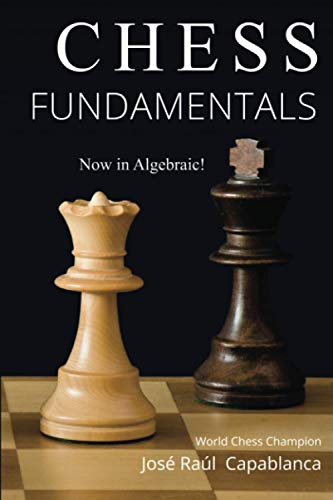
Chess Fundamentals offers a concise, structured primer on core skills, including opening principles, middlegame planning, and endgame basics. This title is lauded for its clear explanations and practical exercises that reinforce essential concepts. It is particularly accessible to players who want a dependable foundation without getting overwhelmed by theory, while still providing a solid framework for progressive study.
Modern Chess Openings, 15th Edition

Modern Chess Openings provides a practical overview of contemporary opening ideas and typical lines. While used copies may vary in condition, the 15th edition remains a classic reference for players seeking to understand key opening principles, repertoire concepts, and the logic behind common lines. It helps readers compare different opening families and assess how early plans influence middle-game opportunities.
Buying Guide: Key Purchase Considerations
- Learning style compatibility: Choose titles that align with your approach—drill-based (puzzles and patterns), theory-heavy, or a blend of both.
- Skill level alignment: Look for books that clearly target your current level, with pathways for progression to advanced topics.
- Practical versus theoretical balance: Some readers benefit from concrete exercises; others prefer strategic explanations and diagrams.
- Edition and condition: For out-of-print or used editions, verify condition and content scope. Newer editions may reflect updated theories or additional problems.
- Durability and portability: Compact volumes are convenient for travel, while larger tomes may offer more comprehensive coverage.
- Supplemental materials: Check for accompanying online resources, solution keys, or practice databases that enhance study.
Comparative Perspectives
- Beginner-friendly paths: Books focused on fundamentals and guided problems tend to support rapid confidence-building and consistent practice.
- Strategic depth: Works emphasizing positional understanding and imbalances help players plan longer-term improvements.
- Opening repertoires: Guides that cover modern openings can assist players seeking practical lines and rationale behind choices.
- Problem-rich approaches: Large problem collections build calculation speed and pattern recognition, crucial for tactics.