Finding age-appropriate books for toddlers can spark early language skills, sensory exploration, and a love of books. This guide highlights five engaging titles that suit 1- to 2-year-olds, emphasizing sturdy formats, interactive elements, and gentle storytelling. Each pick supports early vocabulary, animal recognition, and daily life themes that resonate with curious toddlers. Explore quick summaries, key features, and why these books are well-suited for shared reading time.
| Product | Brand | Key Features |
|---|---|---|
| World of Eric Carle, Around the Farm 30-Button Animal Sound Book | PI Kids | 30 animal sounds; interactive learning; age suitability noted |
| The Rainbow Fish | Simon & Schuster | Classic tale; simple language; visually engaging |
| The Wonderful Things You Will Be | Random House Books for Young Readers | Positive messages; sturdy board-like presentation; gift-worthy |
| Dear Zoo: A Lift-the-Flap Book | Little Simon | Lift-the-flap interactivity; bright illustrations |
| Goodnight, Goodnight Construction Site | Chronicle Books | Rhythmic text; durable board book; construction-themed imagery |
World Of Eric Carle Around The Farm
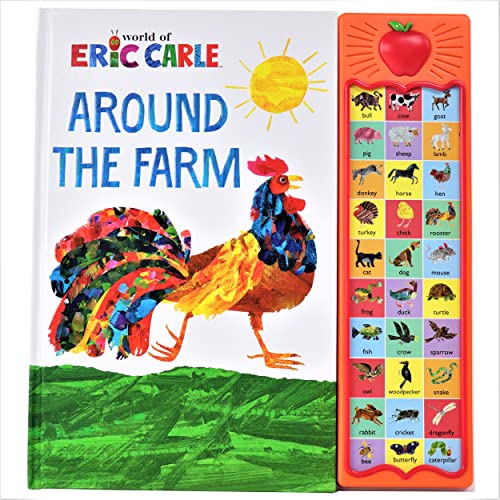
PI Kids’ World Of Eric Carle Around The Farm adds an auditory dimension with 30 animal sounds. Toddlers press each button to hear an animal’s name and its sound, reinforcing word-object associations. The interactive format encourages hands-on exploration and early comprehension, though this edition notes suitability for children aged 3 and older in some listings. For a younger toddler, adult guidance can help link sounds to pictures and foster vocabulary growth while maintaining engagement during shared reading.
The Rainbow Fish

The Rainbow Fish is a short, lyrical story that introduces simple social themes like sharing and friendship. With straightforward language and bright, appealing illustrations, it suits toddler attention spans during read-aloud sessions. While the listing includes some regional phrasing, the core message—sharing brings joy—resonates with parents and young listeners seeking gentle, easy-to-follow narratives. This title works well as a first-word and early literacy starter in a home library for 1- to 2-year-olds.
The Wonderful Things You Will Be

The Wonderful Things You Will Be presents a soothing, positive message about a child’s future, paired with generous illustrations. The format is described as sturdy and gift-worthy, with a timeless sentiment suitable for toddlers beginning to comprehend familial affection and future possibilities. Although the text targets a broad audience, reading aloud helps early vocabulary development and fosters a sense of security and encouragement in very young listeners.
Dear Zoo: A Lift-the-Flap Book

Dear Zoo uses lift-the-flap design to invite toddlers into a playful guessing game about animals. The interactive elements promote fine motor skills and curiosity, while bright, bold illustrations support visual recognition. Although listed with limited feature details, the format aligns well with one-to-two-year-olds who enjoy tactile engagement and immediate responses to their actions during reading time.
Goodnight, Goodnight Construction Site

Goodnight, Goodnight Construction Site combines rhythmic, soothing verse with durable board-book design featuring rounded corners. The construction theme is engaging for toddlers who enjoy machines and vehicles, while the gentle cadence helps establish bedtime routines. The artwork by Tom Lichtenheld is a standout, complementing the text with warm, friendly visuals that support word-structure recognition and narrative pacing in very young readers.
Buying Guide
Key considerations when selecting books for 1- to 2-year-olds include durability, interactive features, and language simplicity. Look for sturdy board pages or wipe-clean formats to withstand frequent handling. Interactive elements—lift-the-flap, sound buttons, or touch-and-feel textures—can boost engagement and fine motor development, but ensure they are not overly complex. Language should be clear and repetitive to reinforce word recognition and predictability. Bright illustrations with high-contrast colors support visual tracking and attention. Consider a balance of concept books (colors, animals, routines) and short narratives that cultivate listening skills without overwhelming young listeners.
When building a toddler library, mix familiar favorites with new experiences to broaden vocabulary. For shared reading, choose titles that invite talk-aways, questions, and predictions. Durable formats are essential for frequent handling, and interactive features should align with the child’s interests, whether animals, construction, or everyday activities. Finally, including a few simple, repetitive stories helps establish a comforting reading routine, encouraging a lifelong love of books.