Discover effective, kid-friendly resources that introduce Korean language through songs, stories, and interactive play. This article highlights five top picks designed for babies, toddlers, and early learners, balancing audio exposure with simple vocabulary and engaging visuals. Each option emphasizes safe, durable formats and practical language practice without screen time.
Summary of chosen products
| Product | Brand | Format |
|---|---|---|
| New! Learn Korean for Kids, Momo Learns Korean Vol. 1 | Momo Learns Korean | Board book with audio |
| I Love to Sing in Korean: Korean Nursery Rhymes | Heritage Kids Press | Press and play interactive song book |
| MAYAPHILOS 510 Words English and Korean Talking Flash Cards | MAYAPHILOS | Talking flash cards |
| Heritage Kids Press I Love to Sing in Korean: Animal Songs | Heritage Kids Press | Interactive song book |
| Heritage Kids Press I Love to Sing in Korean: Children’s Songs | Heritage Kids Press | Interactive song book |
New! Learn Korean for Kids, Momo Learns Korean Vol. 1

MOMO LEARNS KOREAN provides a bilingual Korean-English board book experience tailored for infants and toddlers. The format combines interactive sound, music, and first words to introduce Hangul basics, vocabulary, and language games. It emphasizes a soothing voice with real mother narration, aiming to create a calm learning environment while supporting early literacy and alphabet recognition. Durable, easy-to-use, and battery-powered with volume controls and mute, this title positions itself as a versatile language toy for beginners and classroom practice for young learners.
I Love to Sing in Korean: Korean Nursery Rhymes

This interactive sing-along book uses songs to make Korean learning enjoyable and memorable. Children naturally absorb common phrases and expressions as melodies guide pronunciation and rhythm. Vibrant illustrations enhance engagement and provide cultural context, helping kids connect language with Korean culture. The rhythmic songs support vocabulary development and retention, making it a strong choice for early language exposure without screens.
MAYAPHILOS 510 Words English and Korean Talking Flash Cards

The 510-word bilingual set covers 31 themes, including letters, numbers, animals, and daily items. Cards display English and Korean words, enabling quick vocabulary gains. A dedicated flash card reader vocalizes words and recites sounds, including animal and vehicle noises to reinforce context. Designed as a no-screen option, it supports parent–child interaction and fosters independent practice with volume control and a built-in music feature for extended engagement.
I Love to Sing in Korean: Animal Songs

Heritage Kids Press presents an animal-themed edition of interactive Korean songs. This format blends playful content with language practice, encouraging aural recognition of animal-related vocabulary and phrases. Colorful illustrations support comprehension and retention, while the song-based approach fosters natural language acquisition and cultural appreciation in a low-effort, high-interest way.
I Love to Sing in Korean: Children’s Songs
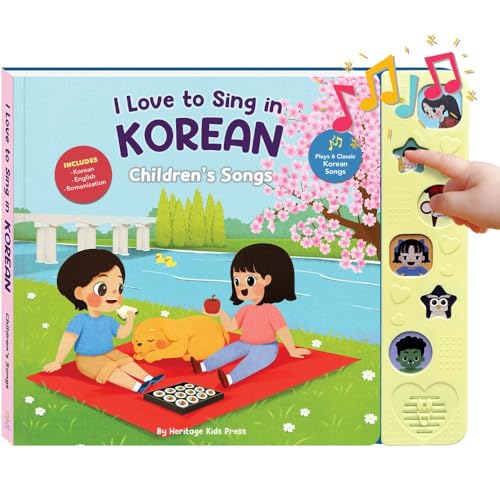
This edition offers a collection of children’s songs designed to build core Korean vocabulary through engaging melodies. Vibrant visuals complement the audio experience, helping learners connect words with meanings and cultural context. The interactive format supports sustained attention and repeated exposure, a key factor for early language development in Korean.
Buying Guide: Key Considerations For Selecting Korean Language Books For Kids
- Learning style compatibility: Choose formats that match your child’s preferences—audio-led books, interactive songs, or tactile flash cards—to maximize engagement and retention.
- Age and durability: Board books and sturdy flash cards are ideal for infants and toddlers who explore with hands and mouths. Ensure materials are non-toxic and easy to clean.
- Language balance: Look for clear Hangul exposure with simple English explanations or bilingual narration that reinforces correct pronunciation and basic vocabulary.
- Audio quality and accessibility: If a product includes sound, confirm that controls are accessible and volume is adjustable. A mute option helps quiet environments and sharing sessions.
- Cultural context: Books that incorporate cultural imagery and authentic pronunciations support not just language learning but also cultural awareness and curiosity.
- Active participation: Prefer products that encourage parent-child interaction or guided play, which can strengthen language development and bonding during learning time.
- Progression and versatility: A mix of formats—songs, stories, and flash cards—can sustain interest while building a broader vocabulary and sentence structure.
- Screen-free emphasis: For early learners, prioritize tools that minimize screen exposure and rely on tactile and auditory experiences for effective retention.