Choosing the right book can accelerate learning the C programming language. This guide highlights five accessible resources linked to the keyword, spanning beginner-friendly introductions, structured lesson formats, and practical examples. Each book offers distinct approaches to building fundamentals, from foundational syntax to problem-solving strategies. The table below summarizes the selected options for quick comparison and easier decision-making.
| Book | Brand | Format | Key Focus |
|---|---|---|---|
| My First Piano Adventure: Lesson Book C | Faber Piano Adventures | Children’s piano method (not programming) | Early learning steps (note reading, rhythm) |
| The Little Book of Common Sense Investing | Wiley | Finance/Investing | Strategic thinking, clear explanations |
| 60 Easy Phonics Leveled A B C D Gurided Readers | Unknown | Beginner reading set | Foundational literacy skills |
| School Zone Thinking Skills Workbook | School Zone | Workbook | Logic and problem-solving |
| Piano Adventures: Lesson Book – Primer Level | Faber Piano Adventures | Music pedagogy | Notes, rhythm, pedal concepts |
My First Piano Adventure: Lesson Book C
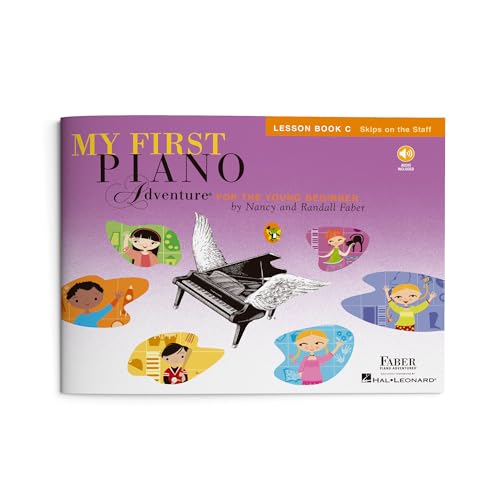
Product by Faber Piano Adventures aims at young beginners, focusing on early staff reading and skip patterns. While primarily a piano method, the resource demonstrates structured progression and simple instruction that can inspire systematic learning habits. The book includes 72 pages of guided lessons, designed for early learners navigating basic musical concepts and technique while integrating online audio support for practice.
The Little Book of Common Sense Investing

From Wiley, this concise guide presents fundamental investing principles in plain language. The book’s structure emphasizes clear reasoning and practical frameworks, which can be adapted to learning any new field, including programming. It offers a solid example of how to distill complex topics into core concepts—an approach that benefits beginners tackling C programming concepts such as memory management and syntax structure through focused, repeatable practice.
60 Easy Phonics Leveled A B C D Gurided Readers

This set provides a broad introduction to reading with phonics progression across four levels. Although designed for early readers, the curated levels emphasize systematic exposure to new concepts, a practice that mirrors how beginners benefit from incremental, structured learning when approaching a new subject like C. The collection’s emphasis on guided progression can inform how to break down topics into manageable steps.
School Zone Thinking Skills Workbook

With a focus on problem-solving and logic, this workbook engages younger learners in activities that develop cognitive flexibility. For someone learning C, similar thinking exercises can strengthen algorithmic mindset, debugging approaches, and step-by-step reasoning. The workbook’s structured activities illustrate how to practice analytical thinking in digestible, guided formats.
Piano Adventures: Lesson Book – Primer Level

Another Faber Piano Adventures volume, this primer-level lesson book focuses on developing note recognition, rhythm, and hands-on technique. While not a programming text, the emphasis on standard notation, learning tempo, and pedal usage mirrors foundational practice methods valuable for any beginner approaching a new skill, including C programming. The book provides structured lessons and a repertoire of songs to reinforce consistency and progress tracking.
Buying Guide: Key Considerations For Selecting A Learning Resource
When choosing a book to learn C or any new skill, consider the following perspectives to make a well-informed decision:
- Learning style compatibility: Do you prefer step-by-step tutorials, problem-solving practice, or concept-first explanations? Match the resource to your preferred learning method.
- Progression and pacing: Look for a clear progression from basic concepts to more advanced topics. Ensure there are ample exercises to reinforce concepts.
- Hands-on practice: For programming, books with practical coding examples, exercises, and projects help translate theory into skills. For non-programming topics, choose resources with activities that build applicable reasoning.
- Supplemental materials: Audio or online components, code samples, or interactive chapters can enhance retention and practice flexibility.
- Audience and language: Some resources target absolute beginners; others assume some prior knowledge. Confirm the book’s assumed background aligns with your goals.
- Durability and format: Consider paperback versus digital formats, page count, and layout. A well-organized, readable design supports longer study sessions.
- Reviews and recommendations: Seek feedback from learners with similar goals. Look for consistency in teaching approach and usefulness of examples.
In this guide, the selected resources illustrate varied approaches to learning. While not all items directly teach programming, their emphasis on structured progression, clear concepts, and practical exercises can inform effective study strategies for beginners tackling C. Use these options to compare formats, pacing, and supplementary materials to find the best fit for your learning path.