Looking for clear, practical guidance on color theory for artistic work? This guide highlights five accessible titles that help artists understand color relationships, mixing, and application across media. Each pick targets different needs—from traditional painting to mindful coloring—so you can choose the best fit for your projects and skill level. The top picks include classic color theory references and hands-on practice books, ideal for beginners and experienced artists alike. Below is a quick summary to compare key aspects at a glance.
| Product | Best For | Format | Main Benefit |
|---|---|---|---|
| Color Choices: Making Color Sense Out of Color Theory | Traditional painting and color strategists | Used Book | Foundational concepts with practical guidance |
| Color by Betty Edwards | Color mixing mastery for painters | Used Book | Structured course in color mixing |
| Beautiful Watercolor Book for Beginners | Watercolor newcomers | Guided workbook | Step-by-step projects with color guidance |
| ColorIt Colors of Nature | Relaxed coloring and study of nature hues | Adult coloring book | Inspiration and color exploration on artist-grade paper |
| Color Choices by Watson-Guptill | Depth in color theory for artists | Used Book | Clear color relationships and examples |
Color Choices: Making Color Sense Out of Color Theory

Brand: Watson-Guptill | Best for: Artists seeking solid color theory basics and practical usage. This book emphasizes core color relationships and how to apply them to real-world painting decisions. The text is suitable for readers building a foundation in color mixing and harmony. Caution: Data indicates it is a used edition; check condition and any illustrations that might be affected by age.
Color by Betty Edwards: A Course in Mastering the Art of Mixing Colors

Brand: Tarcherperigee | Best for: Artists who want a structured, progressive course on color mixing. This title guides readers through practical color mixing steps and theory to improve painting outcomes. Caution: Also listed as a used book; verify page condition and accessibility of print.
Beautiful Watercolor Book for Beginners
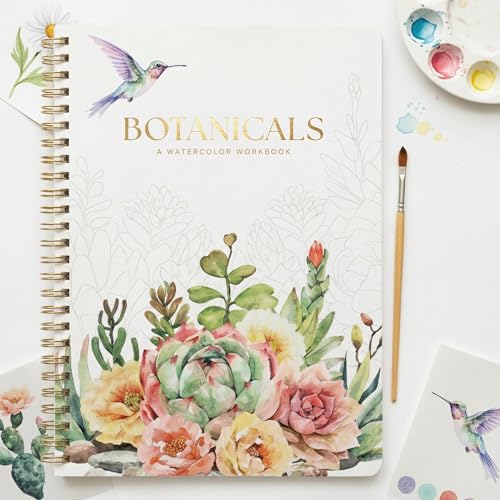
Brand: ZICOTO | Best for: Beginners in watercolor seeking guided practice with color instruction. The book offers 12 botanical projects on premium paper with step-by-step color guidance. Caution: Focused on watercolor media; readers using other paints may need supplementary color theory resources.
ColorIt Colors of Nature

Brand: ColorIt | Best for: Adults who enjoy nature-inspired coloring as a way to study color relationships in a low-pressure format. This book uses artist-quality paper and features 50 original designs. Caution: Perforated pages may affect binding durability for some readers.
Color Choices: Making Color Sense Out of Color Theory
Best for: Practicing artists who want a reliable reference that connects color theory to everyday painting decisions. This is a repeat entry to reinforce its positioning as a core reference for color decision-making. Caution: Used edition availability varies; confirm binding integrity and illustrations before purchase.
Buying Guide
What should you seek in a color theory book for artists? Consider format, depth, and application to your media. Look for titles that align with your practice, whether traditional painting, watercolor, or mindful coloring. Focus on how each book translates color relationships into actionable steps you can apply in your studio.
What level of detail do you need?
Beginners may prefer guided workbooks and structured courses that lay out color-mixing steps. Intermediate readers will benefit from texts that connect theory to practical painting decisions. Advanced artists might seek references with deeper explorations of color systems, tonal balance, and color in different media.
Which format suits your workflow?
Guided workbooks provide step-by-step practice; traditional theory books offer conceptual frameworks. If you work primarily in watercolor, a color theory book with media-specific guidance can be most efficient. For stress-free study, coloring books with nature-inspired palettes can reinforce color intuition without heavy technical detail.
How important is media specificity?
Some titles emphasize watercolor or color-mixing fundamentals, while others cover general color theory applicable across media. Choose media-focused options if you frequently work in watercolor or acrylics. Otherwise, select broader color theory resources to build transferable skills.
What are potential limitations to watch for?
Used books may show signs of wear or missing pages. Some guides emphasize traditional print examples that may not reflect modern digital workflows. Always check condition notes and sample content to ensure the book fits your learning style and goals.
How to use these resources together?
Pair a foundational theory book with a practical practice title. Use the theory reference for color relationships, then apply those concepts through guided projects or color-mixing exercises. This approach builds both understanding and tangible painting results.
FAQ
- Which color theory book is best for beginners? The guided watercolor and beginner-friendly projects are ideal for those new to color, offering clear steps and practice tasks.
- Can these books help with digital art? Yes. Fundamental color relationships transfer to digital media; apply the same mixing and harmony principles to your digital palette.
- Are used books acceptable for study? Used editions can provide cost savings, but verify condition and image quality to ensure legible diagrams and text.
- Should I choose a media-specific book? If you consistently work in watercolor or color-focused media, a media-specific guide helps translate theory into technique.
- Is a coloring book enough to learn color theory? Coloring books can build color awareness and intuition, but combine with theory or practice books for a complete understanding.
- How many books should I start with? A core theory book plus one practical project book typically covers most needs, allowing you to study concepts and apply them immediately.