Answering the question, these resources explain how dietary choices influence body pH and overall well-being. They’re best for beginners seeking quick guides, visual learners who prefer charts, and planners aiming to balance meals without strict dieting. Below are top picks that help you track acidity and alkalinity, whether you want a foundational book or practical reference charts for the kitchen. The table highlights who each product is best for and what it offers at a glance.
| Product | Best For |
|---|---|
| The Acid Alkaline Food Guide | Absolute beginners wanting a quick reference to pH-related foods |
| Honoson 6 Pcs Acid Alkaline Food Chart | Families and households needing visible, wall-mountable charts |
| Alkaline Fix Guide – PRAL Food Chart | Meal planning and flexible, long-term alkaline balance |
| Alkaline Diet Chart (A4 Magnetic) | Kitchen reference with magnetic convenience for ongoing use |
The Acid Alkaline Food Guide: Quick Reference
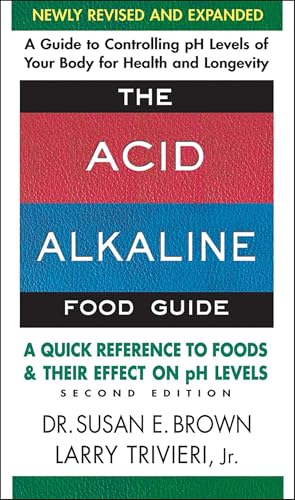
The Acid Alkaline Food Guide provides a concise reference to foods and their effect on body pH, with a focus on health and longevity. Best for readers who want a straightforward, non-technical overview you can consult during shopping or meal planning. It emphasizes practical choices without overwhelming detail, helping you identify which foods are acid-forming and which boost alkalinity. Use this as a baseline to build a simple, long-term eating pattern rather than a strict regimen. A caveat: the guide is a reference rather than a personalized plan, so consult a healthcare professional if you have specific health conditions.
Who this is for: beginners, caregivers, and those who prefer a compact, quick-reference book. Why selected: it distills pH concepts into everyday food choices, aiding consistent use in daily life.
Honoson 6 Pcs Acid Alkaline Food Chart

This six-chart set is designed for visual learners and households that prefer quick reference posters. Each chart clearly separates acidic and alkaline foods, covering fruits, vegetables, grains, and more. The posters are printed on thick coated paper and feature double-sided lamination for durability and water resistance in kitchens or dining areas. Best for families who want a constant, at-a-glance guide and who enjoy color-coded lists to guide meal choices. Limitation: posters require wall space and may not suit compact kitchens.
Who this is for: households, classrooms, and individuals who want constant visual guidance. Why selected: the six-chart set provides a broad, easy-to-see reference that supports daily decisions without digital devices.
Alkaline Fix Guide – PRAL Chart

The Alkaline Fix Guide centers on PRAL values, offering a comprehensive list of 100+ common foods categorized by their acid or alkaline potential. It supports realistic meal planning with an 80/20 alkaline-to-acid approach, promoting long-term adherence rather than a fad diet. A four-page quick-reference design allows fast decisions during meal prep, grocery shopping, or dining out. Best for pragmatic choosers who want a robust, at-a-glance resource without relying on apps. Caution: PRAL values can vary by source; use as a guide rather than an absolute rule.
Who this is for: dieters seeking structured balance and nutrition education. Why selected: the complete PRAL-based list makes it easy to substitute foods while preserving an alkaline orientation.
Alkaline Diet Chart, A4 Magnetic

This A4-sized magnetic chart is designed for ongoing kitchen use. It lists over 200 foods with high, medium, and low alkaline or acidic classifications and includes pH values to guide meal planning. The magnetic backing allows easy placement on fridges, whiteboards, or metal surfaces in homes, offices, or gyms. Best for people who want a reusable reference that stays in sight during meals or grocery trips. Limitation: the chart is large enough to require a dedicated space and may be less portable than a compact book.
Who this is for: active households, fitness-minded individuals, and wellness enthusiasts who value constant access to a durable magnetic reference. Why selected: it’s practical for daily use and easily updated by relocating to a convenient spot.
Buying Guide
What to consider when choosing acid-alkaline diet resources:
- Purpose: Do you want a quick-reference book, wall charts for the kitchen, or a portable guide? Your choice should align with how you plan to use the information.
- Format and durability: Posters and laminated charts suit busy kitchens, while a book might be easier for travel or quiet reading.
- Scope: Some guides focus on PRAL values, others provide broad lists of alkaline/acid foods. Decide whether you want a precise, science-backed approach or a general lifestyle guide.
- Visual aids: Color-coding and charts can speed decision-making. If you’re a visual learner, charts may be more effective than prose.
- Practicality vs. strict rules: Look for resources that support flexible, long-term adherence rather than rigid diet rules.
- Consistency of data: Food classifications can vary among sources. Use multiple references if you need precise guidance for medical or athletic goals.
FAQ
- What is the main purpose of an acid-alkaline diet chart?
To help identify which foods contribute to acidity or alkalinity in the body and guide meal planning. - Are PRAL-based charts more accurate than simple acid/alkaline lists?
PRAL-based charts provide a more technical framework by estimating potential renal acid load, useful for precise planning. - Who should use wall charts versus a book?
Wall charts are ideal for households and kitchens; a book suits readers who want portable reference and deeper explanations. - Can these charts replace professional dietary advice?
No. They are practical guides for general lifestyle decisions and should not substitute medical or nutritional counsel for specific conditions. - Do these tools cover all foods I eat?
They cover a broad range of common foods; use them as a guide and supplement with diverse, balanced nutrition. - Is the alkaline diet scientifically proven for all health claims?
Evidence supports many health benefits from balanced, plant-forward diets; individual results vary and depend on context.