Finding the right beginner-friendly resources can accelerate Japanese learning, especially for adults aiming to build practical skills quickly. This article showcases five widely used books and study aids that cover essentials from kana to basic conversation, with insights into each option’s approach and what learners should expect. The selections emphasize structured lessons, pronunciation, and usable phrases for real-world practice. Read on to compare formats, accessibility, and how each choice fits different study styles and goals.
Summary Table Of Chosen Products
- Japanese From Zero! 1: Proven Techniques to Learn Japanese for Students and Professionals — YesJapan Corporation
- Learning Japanese Workbook for Beginners: Hiragana Katakana And Kanji — Majosta
- Learn Japanese for Adult Beginners: 7 Books in 1 + 100 Flashcards + Bookmark — Explore To Win
- Briston Japanese Conversational Phrase Flash Cards — Briston
- Japanese Flash Cards — Travelflips
Japanese From Zero! 1: A Practical Start For Students And Professionals
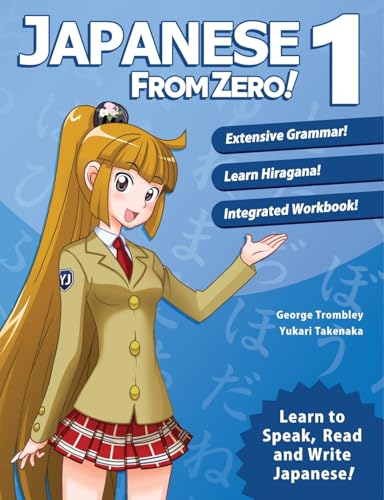
This introductory guide presents a structured path from basic sounds to practical sentences. The approach emphasizes building confidence through consistent practice, with a focus on pronunciation, daily conversation, and cultural context. The book is designed for learners who want clear progress steps and measurable milestones, making it suitable for self-study or classroom use. It’s commonly used as a first step into Japanese grammar, vocabulary, and sentence structure, aiming to reduce intro-level overwhelm for busy adults.
Key features include a gradual build-up of grammar concepts, practical example dialogs, and culturally grounded explanations. While the format favors learner independence, it benefits from steady practice and consistent review to maximize retention. The book’s examples are tailored toward real-life situations, such as introductions and everyday activities, helping learners start speaking sooner rather than later.
Learning Japanese Workbook For Beginners: Hiragana, Katakana And Kanji

This expanded edition focuses on mastering the three writing systems—Hiragana, Katakana, and Kanji—through compact, practice-oriented exercises. The workbook format suits learners who prefer steady, iterative practice and quick drills to reinforce memory. It also includes practical tips for recognizing characters and building basic vocabulary. The compact pages and clear progress markers help learners measure improvement over time, making it a reliable companion for routine study sessions.
For beginners who want a tangible, repeatable practice routine, this workbook provides a straightforward path from script recognition to simple sentence construction. Its emphasis on readability and quick wins can support a consistent study habit, especially when paired with listening or speaking activities outside the book.
Learn Japanese For Adult Beginners: 7 Books In 1 + 100 Flashcards

This multimedia package bundles several components into one learning kit, aimed at adult learners who want comprehensive coverage in a single purchase. The package typically includes grammar, vocabulary, and conversation guidance, plus bilingual flashcards and access to a digital course. The design favors a multi-modal approach, combining physical books with digital resources to reinforce correct pronunciation and practical usage. Learners can track progress across multiple dimensions—reading, writing, and speaking—within a unified framework.
Ideal for self-directed study or learners who benefit from an integrated system, this option provides a broad baseline and accelerates exposure to common phrases. The trade-off can be a larger upfront time investment to navigate all components, so setting a steady schedule helps maximize the benefits of the multi-book format.
Briston Japanese Conversational Phrase Flash Cards

This set targets practical, everyday expressions for beginners, focusing on travel, greetings, hobbies, and classroom contexts. Each card includes Hiragana, Katakana, English translations, and pronunciation guidance, with a QR code linking to native audio. The audio component helps learners refine listening comprehension and speaking accuracy. Durable cards with a compact format make it easy to review on the go, whether commuting or traveling.
Flash cards are especially effective for rapid vocabulary reinforcement and pronunciation practice. This option suits learners who prefer quick, portable study bursts and want reliable listening support to accompany reading and writing practice.
Japanese Flash Cards: Basic Vocabulary For Beginners

Travelflips offers basic vocabulary with a focus on practical phrases for travelers and beginners. The cards provide phonetic guidance and English translations on each card, helping learners build a usable vocabulary quickly. The set is designed for portability and ease of use, with durable materials suitable for frequent handling and on-the-go practice. This option is well-suited for those who want bite-sized study sessions and a tangible reference they can carry into daily life or travel scenarios.
While flash cards excel at quick reviews, they pair best with additional grammar and listening practice to ensure vocabulary is used correctly within sentences and conversations. The combination approach—cards plus structured lessons—often yields stronger overall retention for beginners.
Buying Guide: Key Purchase Considerations For Learning Japanese
- Learning style alignment: Choose formats that match your preferences—workbooks for step-by-step practice, flash cards for quick reviews, or multi-format sets for varied exposure.
- Script focus: If you want to read and write early, prioritize resources that emphasize Hiragana, Katakana, and Kanji concurrently, or start with script-focused tools before introducing heavy grammar.
- Pronunciation support: Audio-enabled cards and recordings help with listening skills and correct intonation, which are critical in Japanese.
- Practical usage: Select materials that incorporate everyday conversations, travel scenarios, and culturally relevant context to facilitate real-world speaking.
- Progress tracking: Look for resources with clear milestones, review prompts, and consistency-building features to maintain momentum.
- Supplemental resources: Consider whether you prefer a single comprehensive package or separate tools (grammar, vocabulary, listening) to tailor your study plan.
- Durability and portability: Durable flash cards and compact workbooks suit on-the-go practice and frequent review sessions.
- Target timeline: Short-term goals (30 days to basic conversation) benefit from concise, focused packs; longer timelines suit multi-resource bundles.
Overall, the best option depends on your starting point, available study time, and whether you learn best through reading, writing, listening, or speaking. Combining resources that emphasize different skills often yields the most balanced progress for beginners seeking practical communication abilities.