Nurturing early literacy with engaging, age-appropriate stories helps toddlers build language, listening, and cognitive skills. The following selections are highly suitable for little readers, featuring vivid illustrations, interactive elements, and easy-to-understand language. Below, you’ll find concise product snapshots and a practical buying guide to help caregivers choose the best fit for daily reading and early learning routines.
| Product | Why It Works For Toddlers | Age Range |
|---|---|---|
| The Rainbow Fish | Classic gentle story with bright visuals; promotes sharing and empathy. | 2-5 years |
| World of Eric Carle, Around the Farm 30-Button Animal Sound Book | Interactive buttons and farm-themed vocabulary aid word recognition and memory. | 3+ years |
| Dear Zoo: A Lift-the-Flap Book | Touch-and-reveal elements support fine motor skills and curiosity. | 1-4 years |
| Giraffes Can’t Dance | Rhythm, humor, and vibrant art promote language play and confidence. | 3-5 years |
The Rainbow Fish — A Classic Tale

The Rainbow Fish presents a simple story of sharing and friendship, with bold, glittering artwork that captures a toddler’s attention. The narrative centers on a fish who learns the value of generosity, a theme that resonates in early childhood social development. The book’s concise text and visual cues support early reading routines and spoken language practice. Ideal for read-aloud sessions, this title reinforces empathy while introducing basic color and shape recognition through vibrant art and accessible vocabulary.
World Of Eric Carle, Around The Farm 30-Button Animal Sound Book
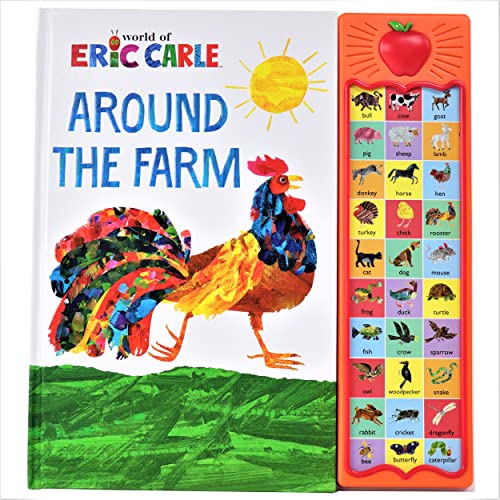
This interactive book uses 30 sound buttons to introduce animals and their sounds, inviting toddlers to press and learn. The mechanic encourages active participation and strengthens memory of animal names and associated noises, which is excellent for language development and auditory discrimination. Suitable for reading with a caregiver or as a guided independent activity, the book’s tactile buttons add a multisensory layer to early literacy experiences. Designed for children ages three and older, it also supports early vocabulary expansion and sequencing skills.
Dear Zoo: A Lift-the-Flap Book

Dear Zoo uses lift-the-flap pages to invite children to guess which animal is behind each flap. This interactive format supports fine motor development, curiosity, and prediction skills—core elements of early literacy. The simple text and bold visuals help toddlers connect words to pictures, while the element of surprise on each flap keeps reading sessions engaging. It’s a strong choice for one-on-one story time and for encouraging early participation in storytelling and questioning.
Giraffes Can’t Dance
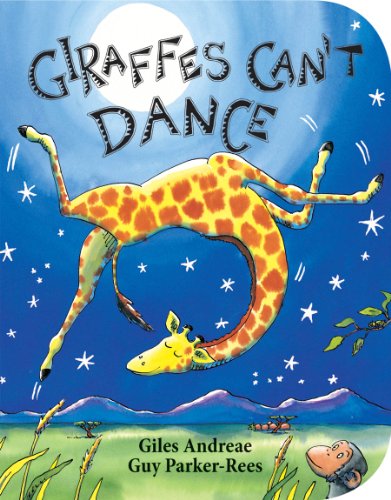
Giraffes Can’t Dance blends humor and rhythm to boost language play and confidence in young readers. The story follows Gerald the giraffe, who feels out of place until he discovers his own unique talents. The playful verse and expressive illustrations offer opportunities to explore rhymes, rhythm, and emotion labeling—key early literacy skills. The book’s warm message encourages perseverance and self-expression, making it a meaningful addition to any toddler library focused on social-emotional learning and language development.
Buying Guide: Key Purchase Considerations And Comparisons
Choosing the right book for a toddler involves balancing engagement, development benefits, and durability. Consider the following perspectives to guide selection and future purchases.
- Interactivity Level: Look for books with lift-the-flap features, sound buttons, or textured pages. Interactive elements boost engagement and support fine motor skill development, though they may require more supervision.
- Language and Vocabulary: Choose titles with simple sentences, clear phrasing, and repetitive patterns to reinforce word recognition and speech practice. Early readers benefit from predictable text and rhymes.
- Illustrations And Color: Bright, high-contrast images attract attention and aid visual literacy. Distinct characters and clear actions help toddlers follow plots and predict outcomes.
- Social-Emotional Content: Stories that emphasize sharing, kindness, and confidence support emotional development and peer interaction skills during early childhood.
- Durability: Board books, sturdy paper, and well-bound flaps withstand frequent handling. Consider materials that tolerate rough toddler use while preserving readability.
- Ages And Transition: Some titles are more suitable for ages 1–4, others for 3–5. Plan a mix that covers early exploration and gradual reading complexity as your child grows.
- Reading routine Fit: For daily routines, select shorter texts with predictable cadence for quick read-aloud sessions. For longer sessions, alternate with interactive books to maintain engagement.
- Collectibility And Series Potential: If a child enjoys a title, consider related books from the same author or brand to build familiarity and comfort with reading routines.
Choosing a mix of classics, interactive titles, and rhythm-focused stories can support a broad range of early literacy goals. The selected books here offer a balance of empathy themes, sensory interaction, and playful language—each contributing to a well-rounded toddler library without relying on prices or promotions.