Choosing the right body weight training book can empower readers to build strength, improve technique, and design effective workouts without heavy equipment. This article highlights five top titles that cover anatomy, progressive bodyweight methods, and practical programs for women and general fitness enthusiasts. Each entry summarizes key content and practical takeaways, helping readers compare approaches to stay motivated and safe while training at home or in the gym.
| Product | Brand | Focus |
|---|---|---|
| Strength Training Anatomy | Human Kinetics | Anatomy-based strength training |
| Delavier’s Women’s Strength Training Anatomy Workouts | Human Kinetics | Female-focused routines |
| The Woman’s Guide to Strength Training | Women’s Health | 12-week female program |
| Thinner Leaner Stronger | Oculus Publishers | Scientific approach to lean gains |
| The Strength Training Anatomy Workout | Human Kinetics | Bodyweight and minimal equipment |
The following selections emphasize clear instruction, practical programming, and evidence-based guidance. They are arranged to help readers understand body mechanics, choose suitable progressions, and adapt routines to different fitness levels and goals. Each book offers a distinct perspective—from in-depth anatomy to accessible, science-driven plans—allowing readers to build a well-rounded body weight training library.
Strength Training Anatomy and Its Practical Insights

Strength Training Anatomy by Human Kinetics is a cornerstone for understanding how muscles respond to common movements. The book dissects major muscle groups and presents exercise examples that align with each region, helping readers choose body weight variations that maximize engagement and safety. The included Table of Contents guides readers from foundational concepts to advanced techniques, while authorial explanations emphasize form, tempo, and activation. This resource is particularly useful for beginners who want to know exactly which muscles are targeted during pushups, squats, planks, and other standard body weight exercises. The practical diagrams and clear language support anyone seeking to train with intention rather than guesswork.
Key takeaways include tools for recognizing muscle groups involved in typical body weight moves and strategies to modify rep ranges and tempos to increase intensity without added equipment. The content supports progressive overload concepts suitable for home workouts, including variations that maintain joint safety. For coaches and fitness enthusiasts, the book serves as a reference for cueing proper alignment and spotting common form flaws. Readers should be aware that while comprehensive, the book centers on anatomy, so it pairs well with a structured workout plan to translate theory into consistent practice.
Delavier’s Women’s Strength Training Anatomy Workouts
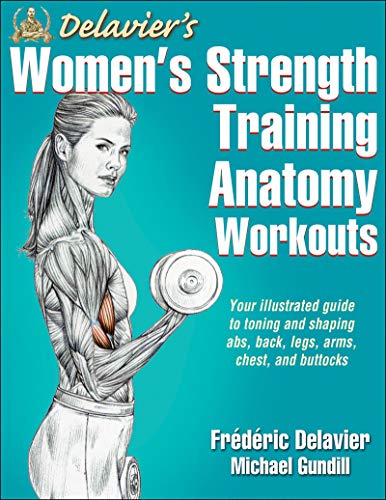
Delavier’s Women’s Strength Training Anatomy Workouts focuses on female physiology and how to apply strength training concepts in a way that respects differences in anatomy and biomechanics. The book expands on anatomy-based insights with workouts tailored to women, incorporating progressive bodyweight movements and routines that balance upper and lower body work. With clear diagrams and step-by-step instructions, readers learn how to perform movements safely and effectively, while exploring modifications for different experience levels. The structure supports both new exercisers and seasoned athletes seeking a fresh or more specialized approach to body weight training. The included samples and denser sections on movement patterns help readers design efficient workouts that fit into busy schedules.
Key considerations include how to tailor push/pull balance, core stability, and hip hinge patterns to female anatomy, as well as practical guidance on creating sustainable routines. The book also offers insights into form cues and tempo that can help readers optimize muscle engagement. As with other anatomy-focused texts, this resource pairs well with a practical home training plan, particularly for readers who want to understand the rationale behind each exercise choice and progression.
The Woman’s Guide To Strength Training

This guide by Women’s Health delivers a pragmatic 12-week program designed for women seeking lean strength and fat loss without extreme diets. The book includes step-by-step instructions with photographs to show each exercise, making it accessible to beginners while still being valuable to intermediate trainees. It emphasizes proper lifting technique, weight selection, and equipment usage to prevent injuries and promote consistency. The emphasis on attainable, incremental progress helps readers sustain long-term training habits. The content is organized around a structured plan with clear progression, making it a practical choice for those who want a holistic approach to fitness that integrates workouts into daily life.
Key points include how to tighten core muscles, sculpt key areas such as the abs and glutes, and advance to more challenging moves as strength builds. The guide is particularly useful for readers who prefer a client-friendly tone with actionable steps and visuals. It can serve as a core resource in a home gym library, paired with other references to broaden understanding of movement mechanics and body composition goals.
Thinner Leaner Stronger: The Simple Science of Building the Ultimate Female Body

Thinner Leaner Stronger presents a science-based approach to achieving a lean and strong physique, focusing on practical strategies that can be applied by women seeking noticeable results without excessive dieting. The author argues for efficiency in training and a clear plan to minimize wasted time in the gym, emphasizing evidence-backed principles such as progressive overload, protein optimization, and sustainable habits. This title is particularly suitable for readers who want concise, data-driven guidance and a straightforward method to build strength and reduce body fat with body weight and minimal equipment.
Highlights include accessible explanations of foundational concepts, actionable routines, and guidance on tracking progress. The book also addresses common misconceptions around female training and provides practical recommendations for exercise selection, rest periods, and consistency. Readers should consider integrating this text with more detailed movement manuals to deepen technique, while still benefiting from its direct, no-fluff approach to training performance and body composition.
The Strength Training Anatomy Workout

The Strength Training Anatomy Workout blends bodyweight exercises with minimal equipment to offer a versatile program that emphasizes functional movement and muscular balance. Drawing from the author’s prior emphasis on anatomy, this volume translates concepts into workout routines that readers can perform with little gear. The approach suits travelers, home gym users, or anyone aiming to maximize results with calendar-friendly sessions. The included tables of contents and excerpts provide snapshots of exercise examples and progression ideas, helping readers conceptualize how different moves activate targeted muscles.
Key strengths include clear diagrams of muscle engagement, practical sample routines, and guidance on combining bodyweight exercises with light implements like resistance bands. For readers seeking an approachable entry into structured training that still respects anatomical principles, this book offers a pragmatic blueprint. It also serves as a solid companion to more technique-focused resources, enabling a well-rounded training repertoire that scales with experience and equipment availability.
Buying Guide: Key Purchase Considerations For Body Weight Training Books
- Target audience and goals: Choose a book whose focus matches your aims, whether anatomy, women’s programming, fat loss, or general strength with bodyweight moves.
- Depth of content: Some books emphasize diagrams and theory; others deliver step-by-step workouts and progression plans. Consider your preference for visuals, explanations, and practical routines.
- Progression options: Effective body weight training relies on scalable progressions. Look for books that clearly outline how to advance exercises, adjust tempo, and vary volume.
- Injury prevention: Prioritize resources that discuss form cues, joint safety, and modifications to accommodate injuries or limitations.
- Accessibility: Books with clear photos, illustrations, and beginner-friendly language tend to be easier to adopt for home workouts.
- Evidence-based guidance: Preference for texts that ground recommendations in biomechanics or exercise science, avoiding unrealistic or overly myth-based claims.
- Supplemental content: Consider whether the book includes sample programs, tables, checklists, or access to online resources that can enhance learning and application.
- Compatibility with equipment: If you plan to train with minimal gear, ensure the book emphasizes bodyweight and small tools; for broader options, verify how exercises integrate with basic equipment.
- Author credibility: Look for authors with credentials in sports science, coaching, or applied anatomy to gauge reliability and safe practice recommendations.
- Longevity: A well-rounded library often combines anatomy-focused titles with program-oriented guides, providing both understanding and practical plans for ongoing training.
Across these selections, readers gain a spectrum of perspectives—from anatomical insight to structured, practical programs for women and general fitness. When selecting a body weight training book, consider how the content aligns with your current level, goals, and lifestyle, then pair the chosen resource with hands-on practice and consistent tracking to maximize benefits.