Looking for trusted early-reader options that help kids build essential reading skills while enjoying engaging stories? This guide highlights four top choices ideal for parents, teachers, or gifting. Each pick targets a specific stage—phonics, sight words, foundational word recognition, or classic storytelling—so you can choose the best fit for your child’s reading journey.
Overview Table
| Product | Brand | Best For |
|---|---|---|
| Teach Your Child to Read in 100 Easy Lessons: Revised and Updated Second Edition | Touchstone | Young readers needing structured phonics and daily practice |
| 100 Words Kids Need to Read by 1st Grade: Sight Word Practice to Build Strong Readers | Scholastic | Preschool to early elementary; building essential sight word skills |
| First 100 Words: A Padded Board Book | Priddy Books US | Very young learners; concrete word recognition and vocabulary |
| Alexander and the Terrible, Horrible, No Good, Very Bad Day | Atheneum Books for Young Readers | Kids who enjoy humorous, relatable storytelling |
Teach Your Child to Read in 100 Easy Lessons: Revised and Updated Second Edition
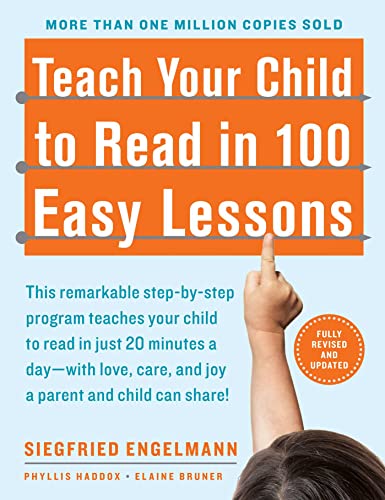
Features: ABIS_BOOK
Best for: Parents or tutors seeking a structured, step-by-step phonics program that pairs short lessons with consistent practice. This title is designed for early readers who benefit from a clear path to decoding and fluency.
Why selected: It emphasizes incremental skill-building with daily lessons, making it a practical fit for families aiming for steady progress in basic reading fundamentals.
Caution: Requires regular, supervised practice to maximize gains; without consistent use, progress may be slower.
100 Words Kids Need to Read by 1st Grade: Sight Word Practice to Build Strong Readers

Features: Sight word practice to build strong readers, Each workbook reinforces the 100 words that children need to know, Includes fill-in-the-blank stories and sentences, word riddles, games, and puzzles
Best for: Early elementary students and kids who benefit from repetitive, varied activities to reinforce common sight words important for independent reading.
Why selected: Combines explicit word instruction with engaging activities, making it easier to retain essential vocabulary in real reading contexts.
Caution: Some activities may feel repetitive for advanced readers already comfortable with basic sight words.
First 100 Words: A Padded Board Book
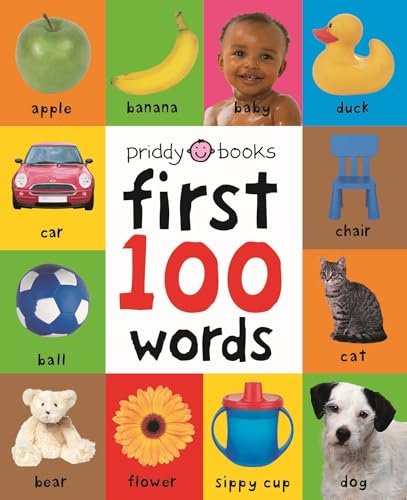
Features: A good option for a Book Lover, Condition : Good, Ideal for Gifting
Best for: Toddlers and very early readers building initial vocab and word recognition with durable, touch-friendly pages.
Why selected: Its sturdy board format supports frequent handling by little hands, making it a reliable choice for home libraries or classrooms.
Caution: Board book condition may vary; verify page integrity before gifting or use with younger children who may chew or tear pages.
Alexander and the Terrible, Horrible, No Good, Very Bad Day

Features: Test product
Best for: Readers who enjoy humorous, relatable stories about everyday challenges and empathy with characters facing small misadventures.
Why selected: A classic, enduring title that can spark discussion about resilience and perspective in a child-friendly format.
Caution: Some editions may contain dated language or humor; consider discussing themes in age-appropriate ways.
Buying Guide
What type of reader are you shopping for?
Consider the child’s current reading stage when choosing. Phonics-focused titles are ideal for beginners, while sight-word workbooks support learners building fluency. Picture books suit younger readers who benefit from visual context and storytelling.
How to balance skills and enjoyment
Mix structured skill practice with engaging stories. For example, pair a phonics book with a humorous picture book to keep motivation high while still reinforcing essential skills.
Durability and usability considerations
For younger children, board books or thick-paged formats reduce wear and tear. For home use, ensure the program or activity sheets offer clear instructions and quick, measurable progress checks.
Parent or tutor involvement
Some programs require regular guidance. Look for materials with easy teaching tips, short daily sessions, and age-appropriate activities that fit into busy schedules.
Reading goals and pacing
Set realistic milestones (e.g., 10–15 minutes daily, or completing a lesson per week) to track progress and adjust as needed. Consistency matters more than length of sessions.
Supplemental resources
Use complementary activities such as storytime, library visits, and interactive reading apps to reinforce skills without overloading the child.
FAQ
- What age is best for these books? – Materials span early childhood through first grade, targeting foundational literacy skills for young readers.
- Should I use more than one book at once? – Yes, combining phonics-focused titles with sight-word or picture books supports balanced literacy development.
- Are these suitable for homeschooling? – They are adaptable for home use, with structured activities and clear progression.
- How can I measure progress? – Track daily practice, assess word recognition milestones, and note improvements in reading fluency and comprehension.
- What if my child loses interest? – Rotate between titles with varied formats (sound-to-sight word focus, stories, and interactive activities) to maintain engagement.
- Can these books be gifted? – Several titles are suitable for gifting, especially those that offer durable formats or classic stories.